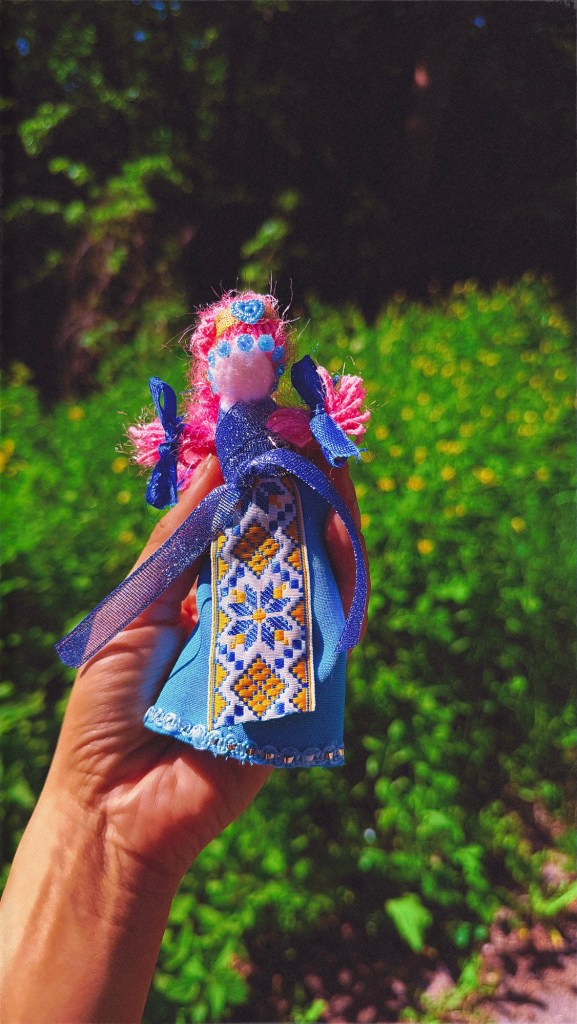
3 День вишиванки 🇺🇦 Happy Vyshyvanka Day, the day we celebrate the embroidery that means so much more than than fabrics and threads. It’s a part of the Ukrainian culture that tells story through colors and patterns stitched into clothing.
A national treasure, a sign of identity and patriotism.
So let’s talk about the history and deeper understanding meaning of Ukrainian embroidery, the Vyshyvanka.
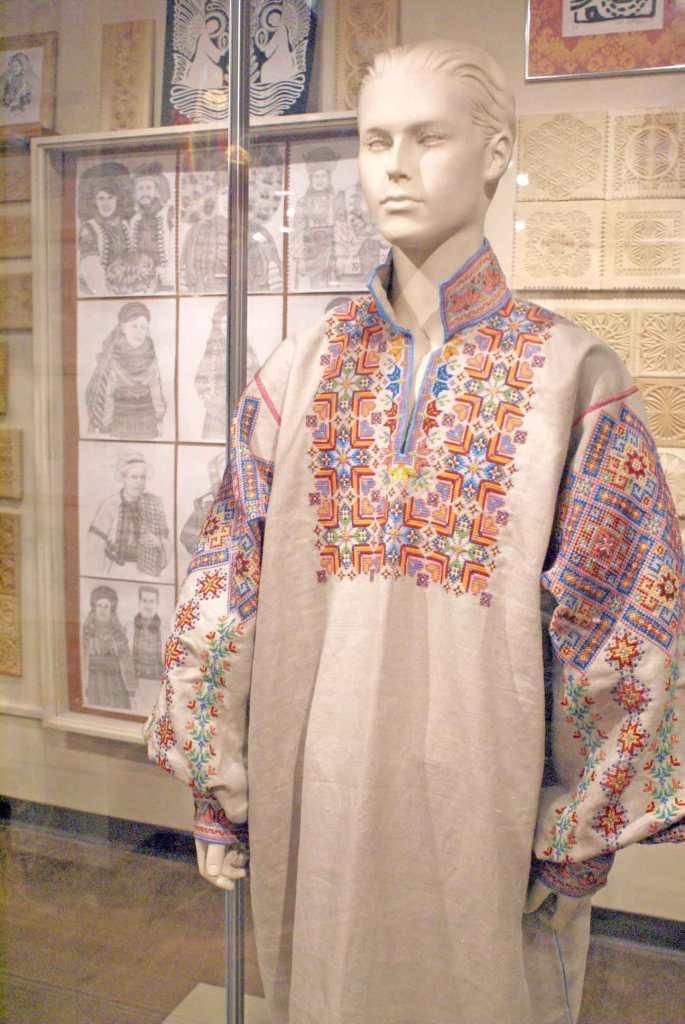
More Than Embroidery
Every third Thursday of May, Ukraine transforms.
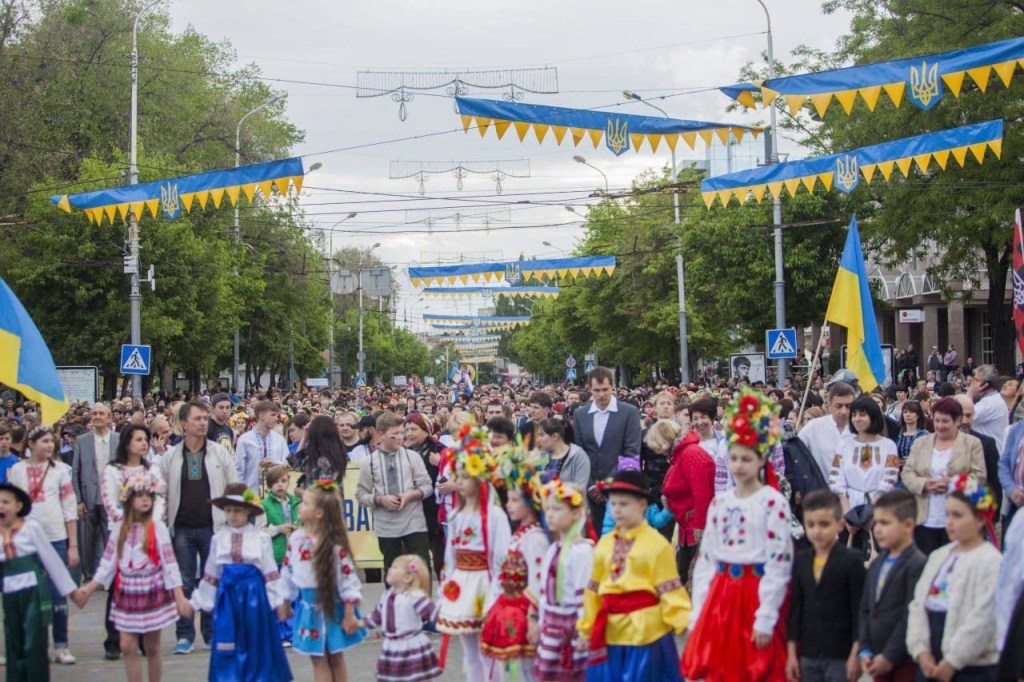
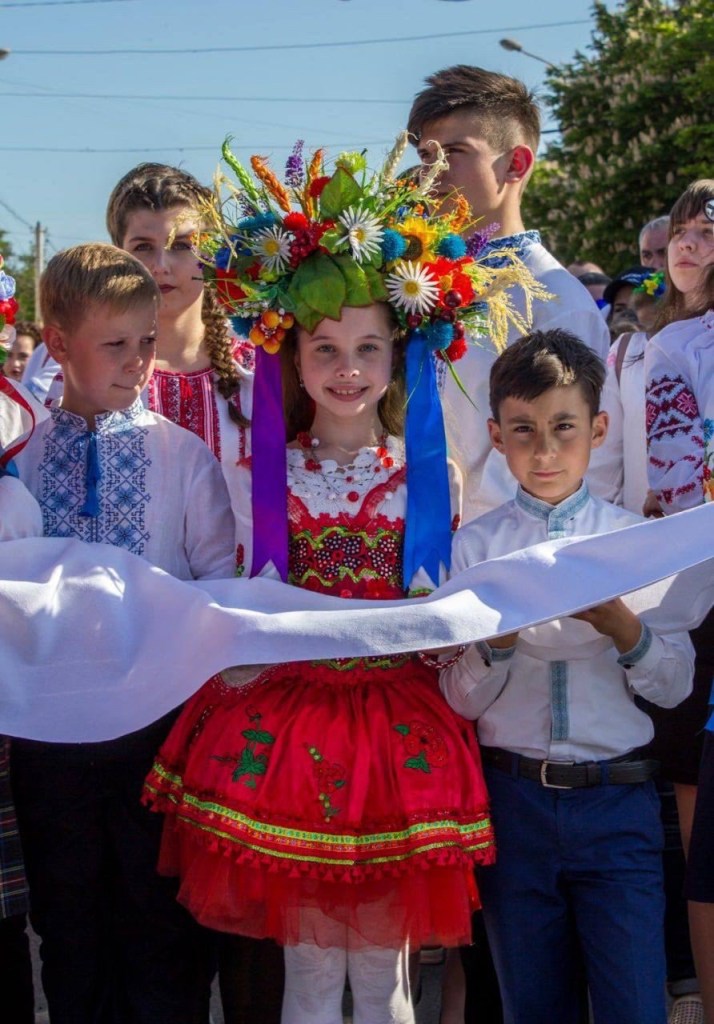
In cities, villages, schools, government buildings, hospitals, cafés, offices and even on the front lines of war, millions of Ukrainians wear embroidered shirts known as vyshyvankas.
The vyshyvanka has become far more than fashion and now has a meaning that goes beyond it being beautiful, traditional clothing.
It is memory stitched into fabric.
A symbol of identity.
A cultural fingerprint.
A quiet act of resistance.
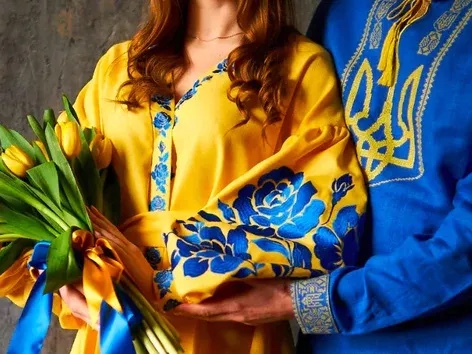
And in a time when russia continues its attempt to erase Ukrainian identity, language, history and culture, the vyshyvanka has become one of the clearest symbols of Ukrainian resilience and survival.
Today, Vyshyvanka Day is celebrated not only across Ukraine, but by Ukrainians and supporters around the world. Yet the story behind these embroidered patterns stretches back centuries, long before modern borders, while russia was still nothing but a swamp, Ukraine was establishing itself as a nation and developing cultures that russia for centuries have been trying to not only steal, but straight up erase.
Which is why the importance of learning and sharing the meaning and history of Ukrainian embroidery is today, more important than ever before.
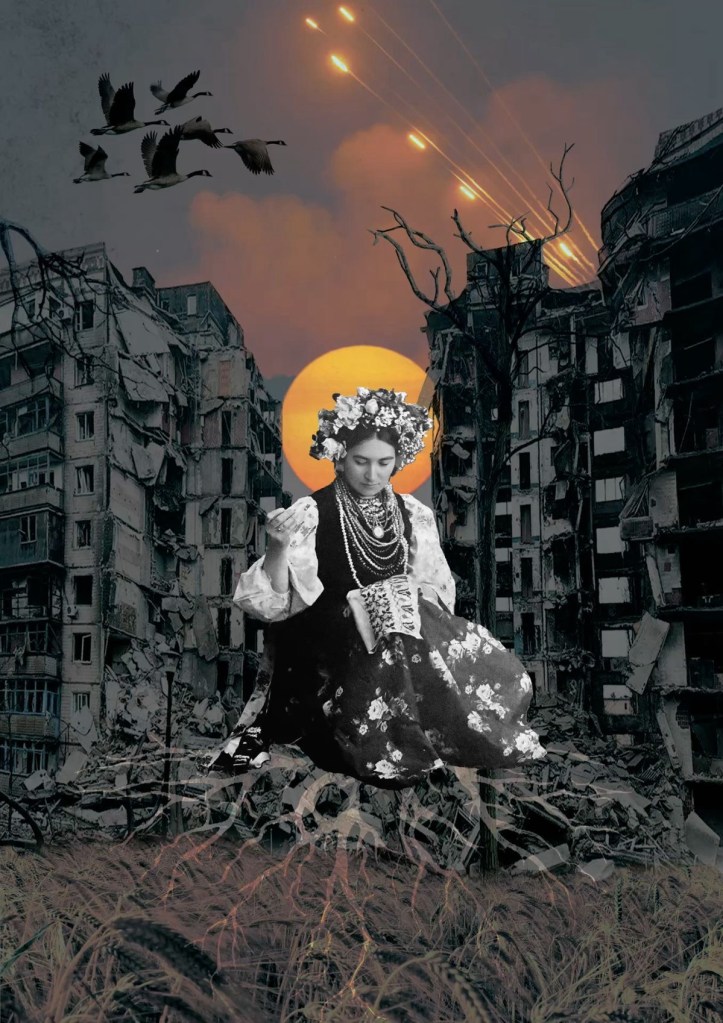
What Is a Vyshyvanka?
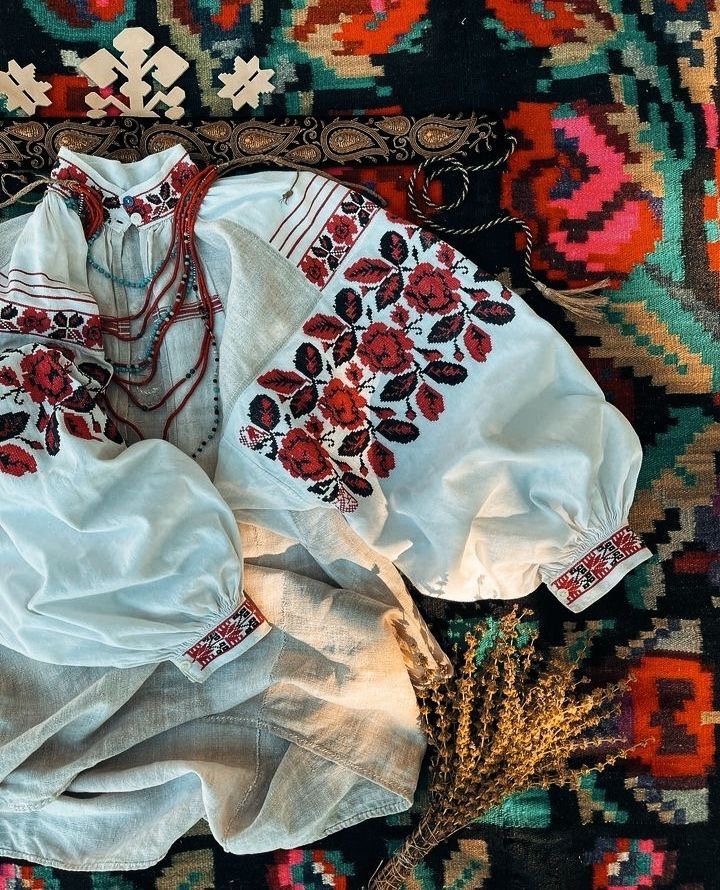
A vyshyvanka is a traditional Ukrainian embroidered shirt, worn by both men and women. The word comes from the Ukrainian word “vyshyvaty,” meaning “to embroider.”
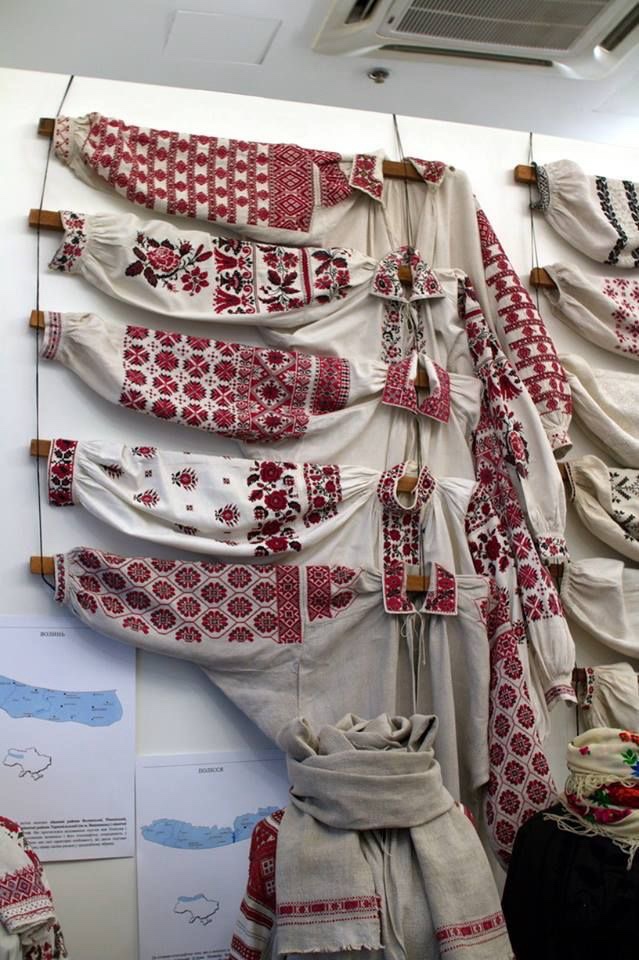
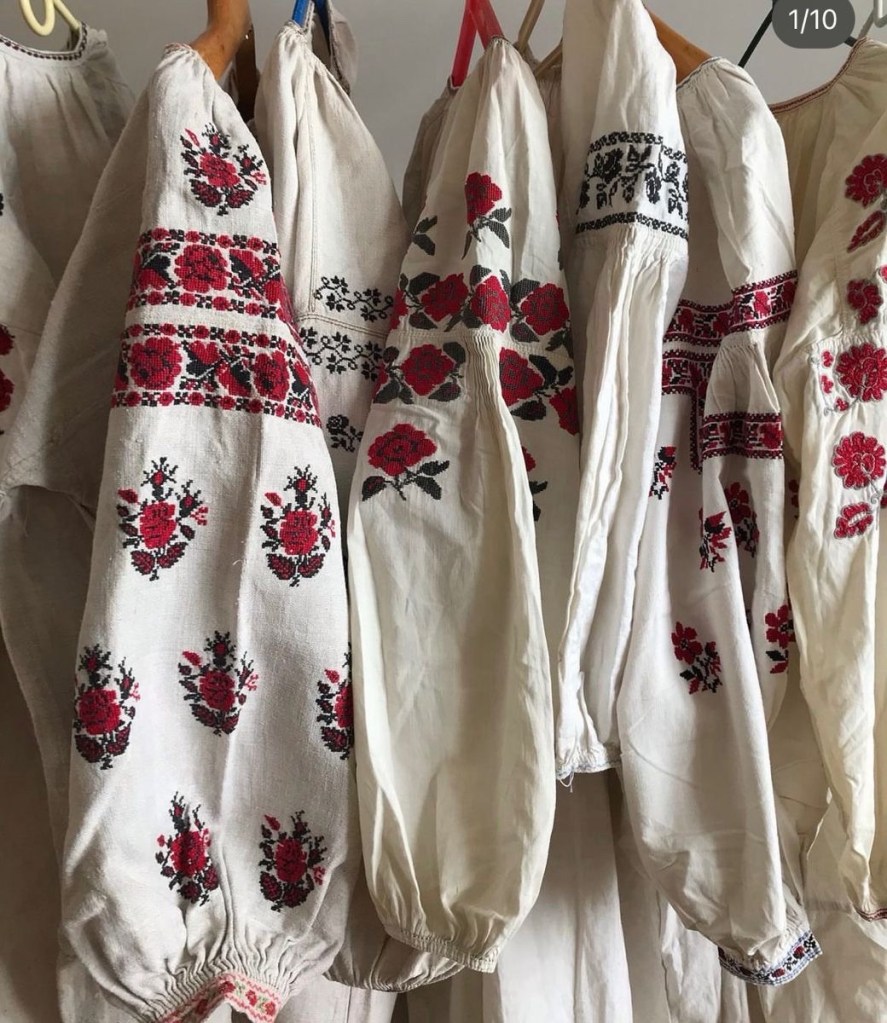
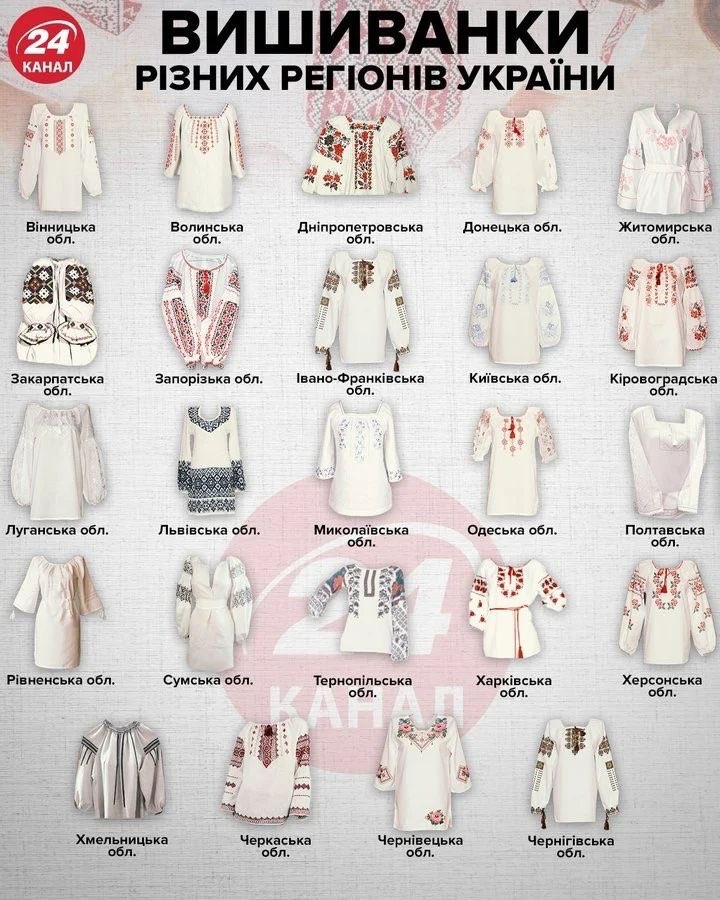
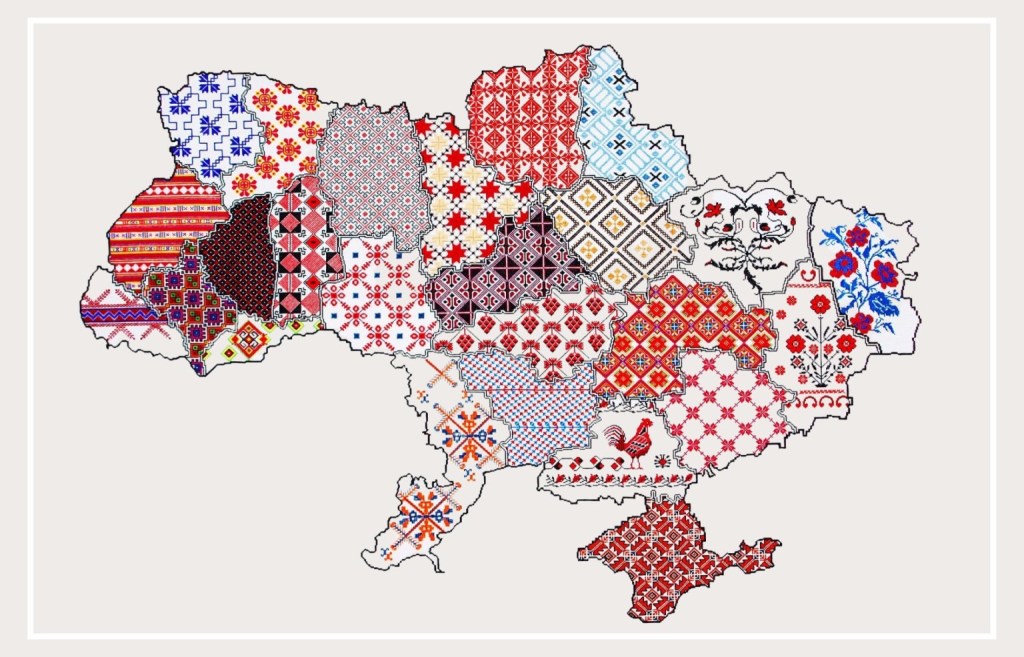
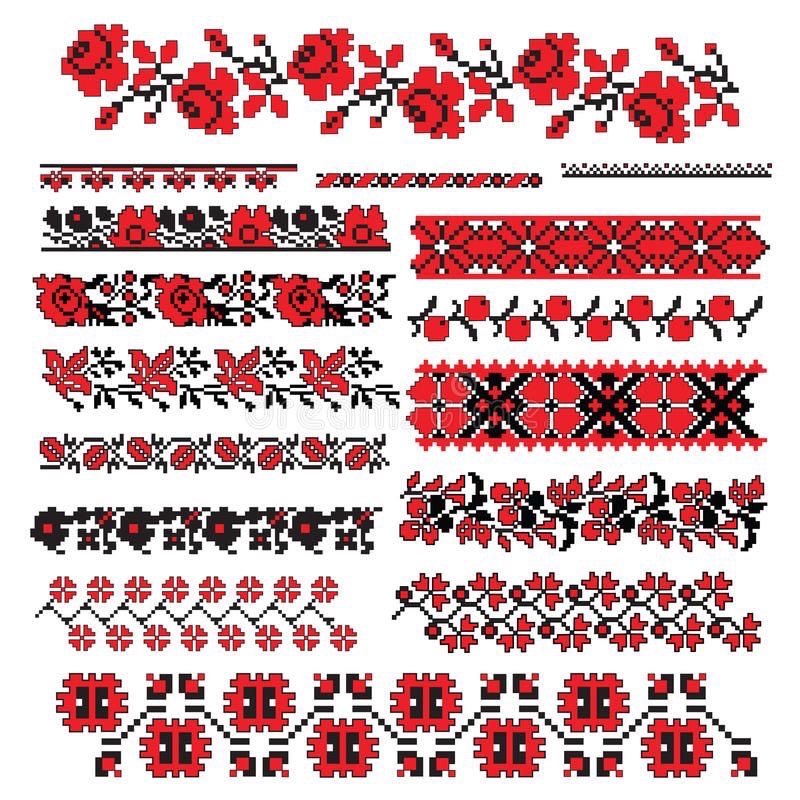
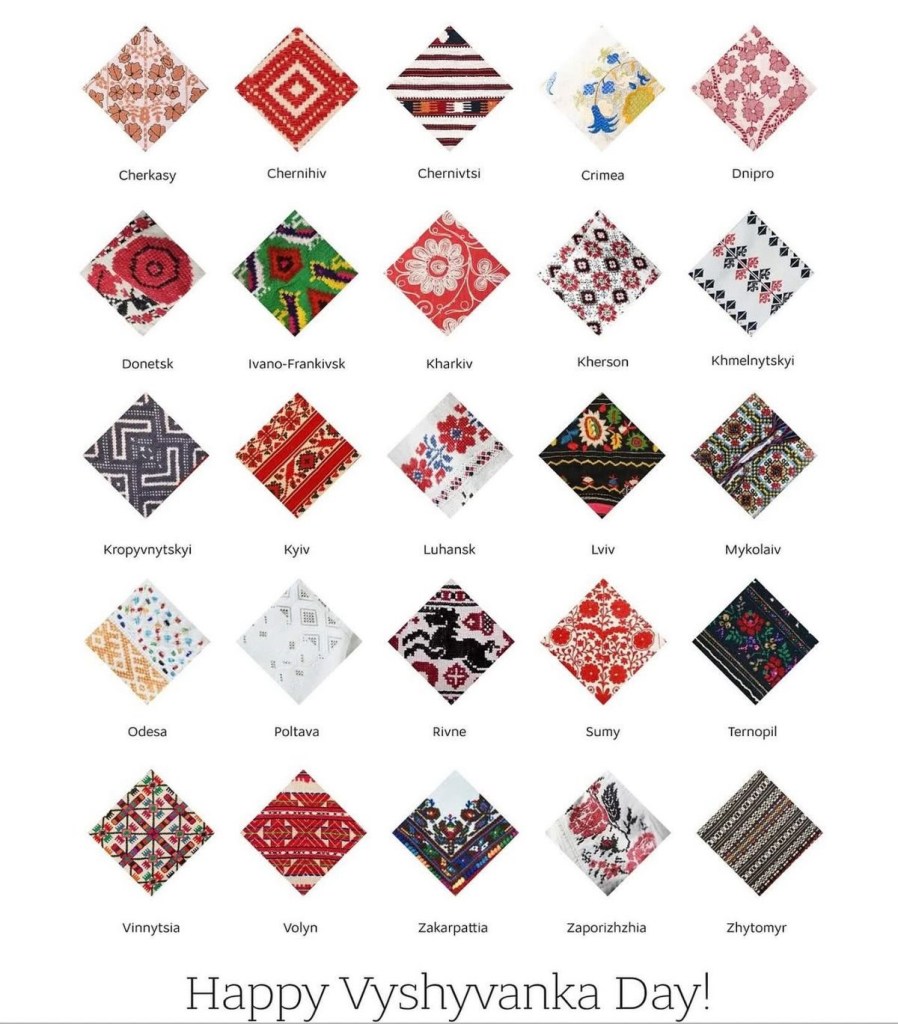
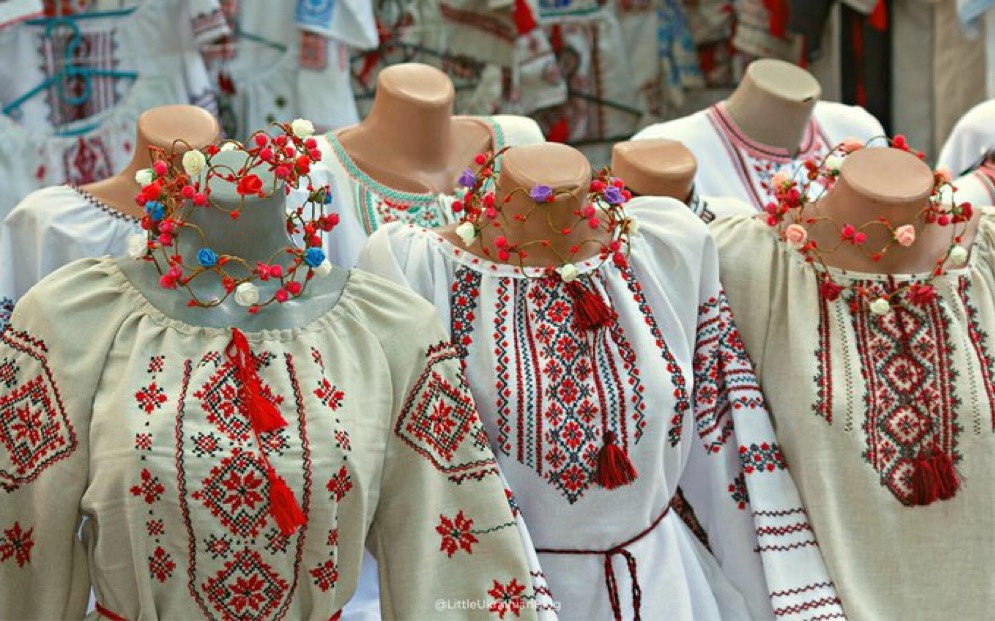
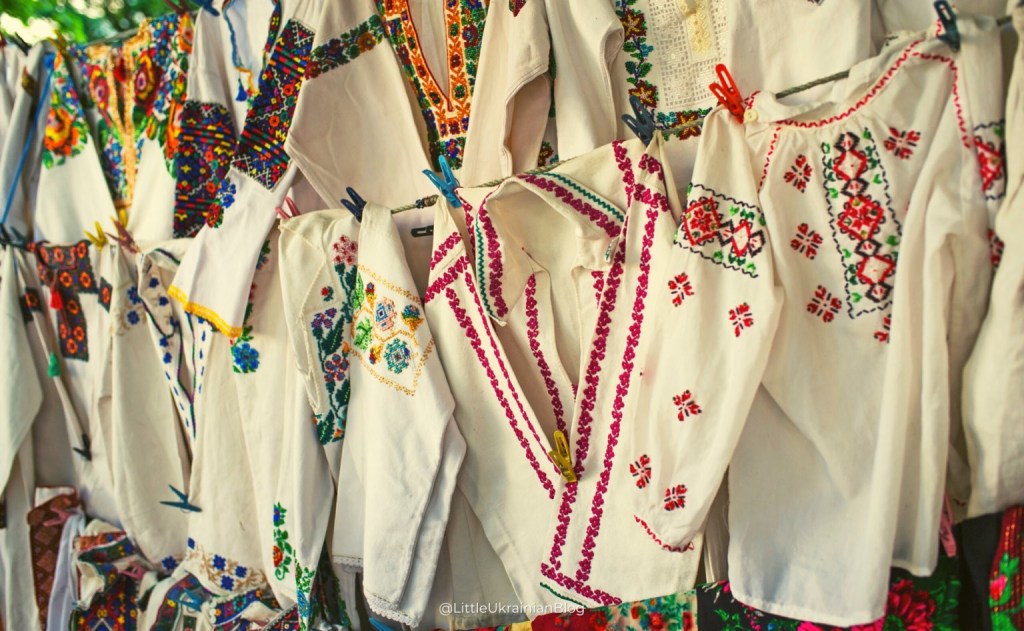
For centuries, embroidery has occupied a central place in Ukrainian culture and decorative arts. Ukrainian embroidery traditions differ dramatically from region to region, with unique colors, stitches, symbols and patterns tied to local history and customs.
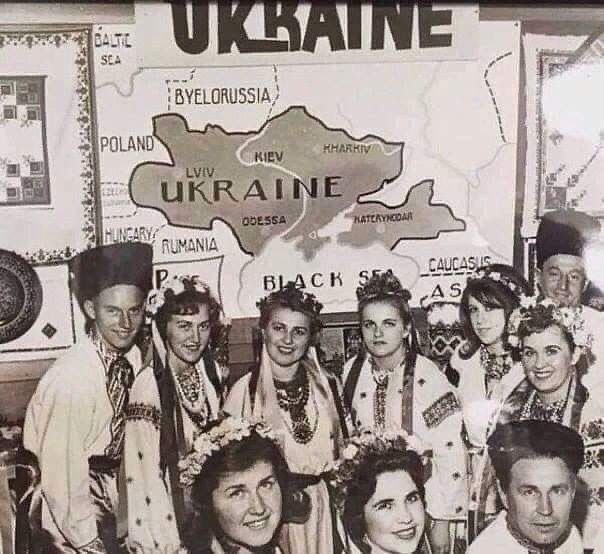
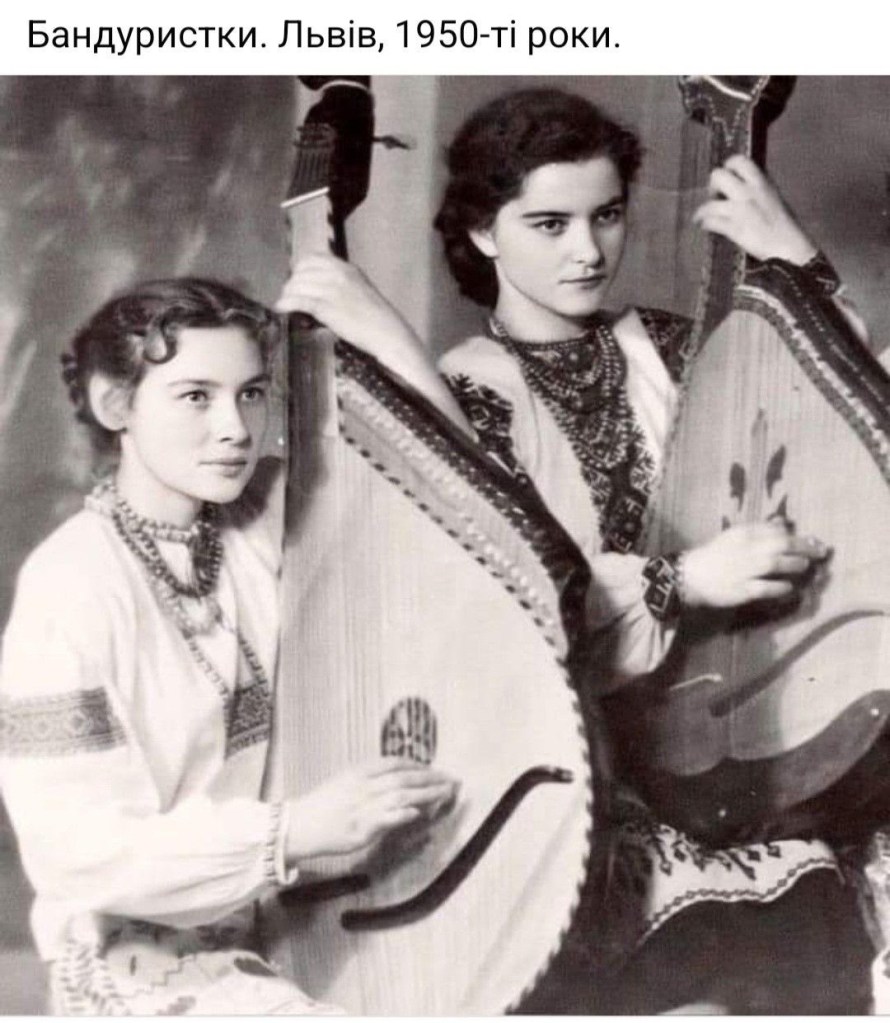
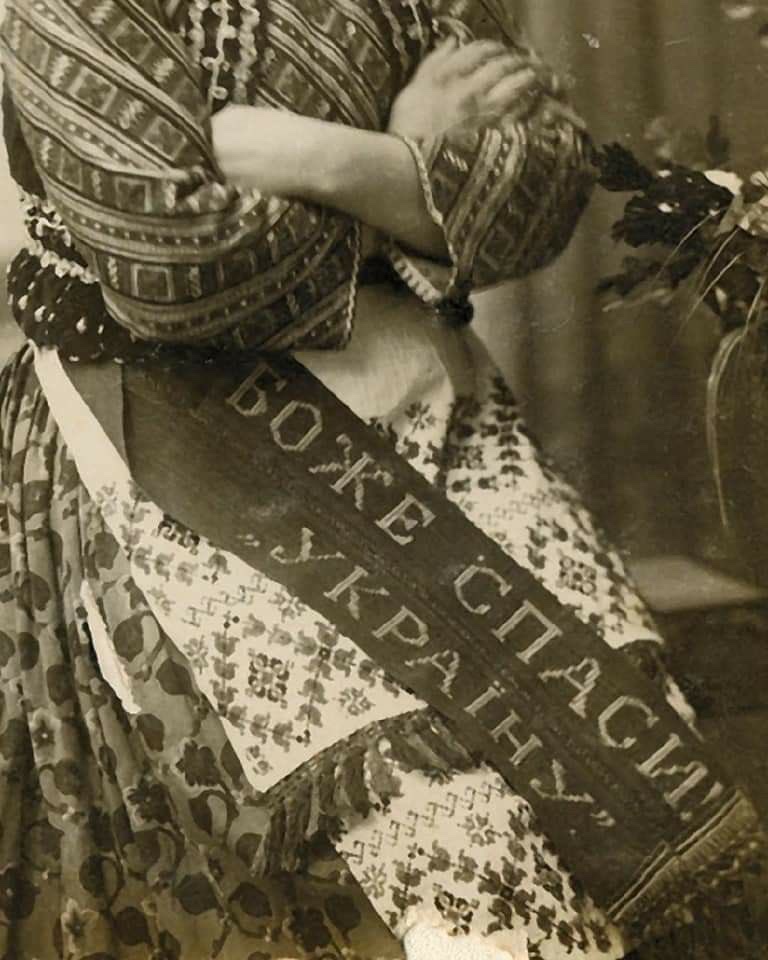
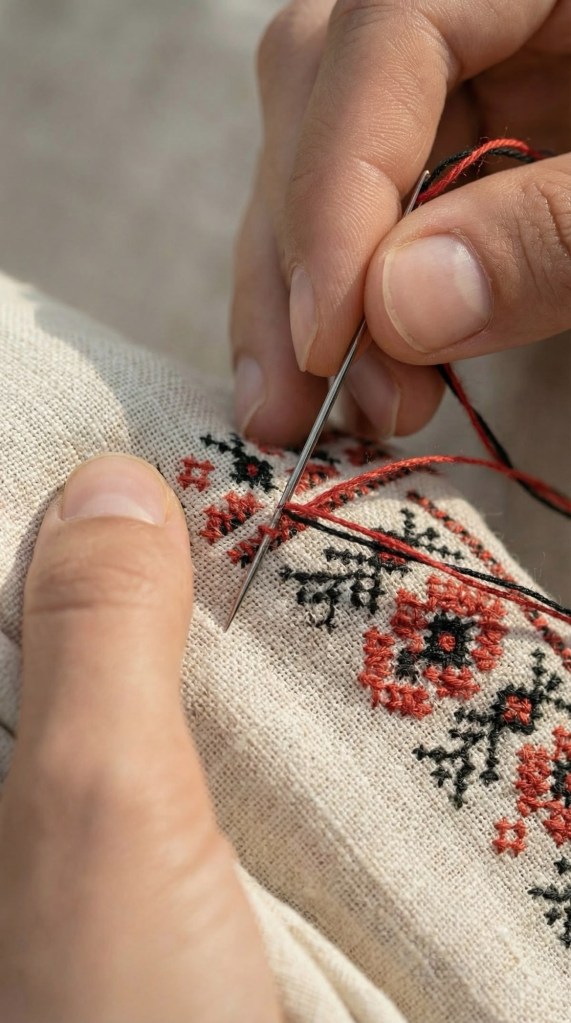
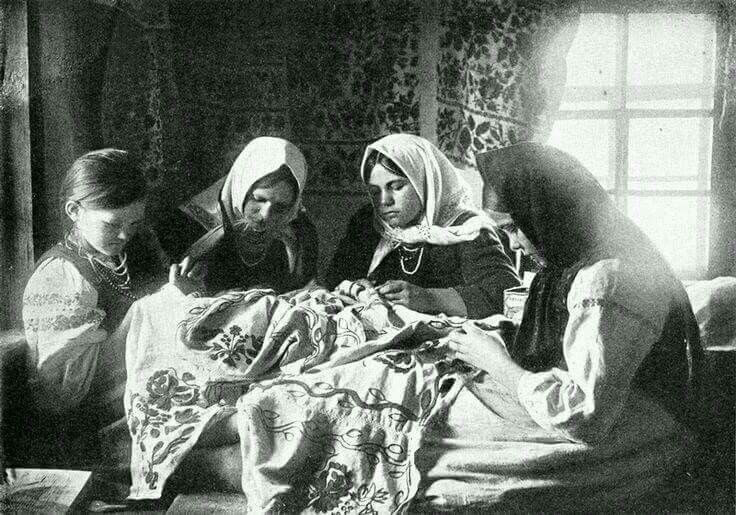
Historically, vyshyvankas were handmade, often taking weeks or months to complete. They were commonly embroidered by women within families and passed down through generations.
But they were never seen as “just clothing.”
For Ukrainians, the vyshyvanka carried sacred meaning.
A Shirt of symbolism
For centuries, Ukrainians believed embroidered patterns could protect the wearer from evil, misfortune and harm.
Certain symbols were believed to encode wishes for health, fertility, prosperity, courage, love or protection. Colors also carried meaning.
Red often symbolized life and love.
Black represented earth and wisdom.
White symbolized purity and spiritual protection.
Different regions developed entirely distinct visual languages through embroidery. Hutsul embroidery from western Ukraine differs dramatically from styles found in Poltava, Chernihiv, Bukovina or Podillia.
Many Ukrainians viewed the shirt itself as a talisman.
A family heirloom.
A blessing.
A form of protection stitched by hand.
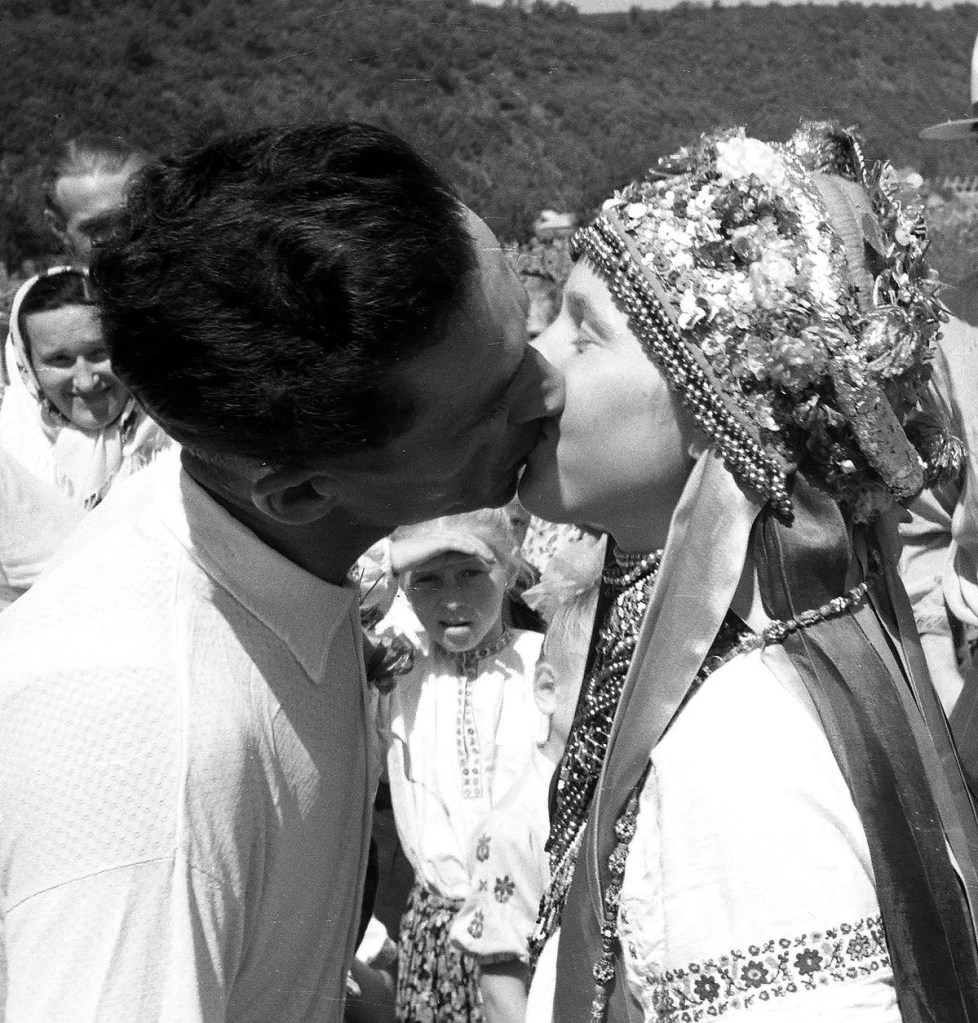
Even wedding traditions were tied to embroidery. Brides would traditionally embroider clothing for themselves and their future husbands before marriage.
The Ancient Origins of Ukrainian Embroidery
There is no exact date marking the origin of the vyshyvanka.
But historians trace embroidered clothing in the territory of modern-day Ukraine back thousands of years.
References to embroidered garments worn by Scythians living in the region appear in writings attributed to Herodotus. Archaeological excavations have uncovered ancient silver plaques depicting figures wearing embroidered shirts resembling later Ukrainian folk clothing.
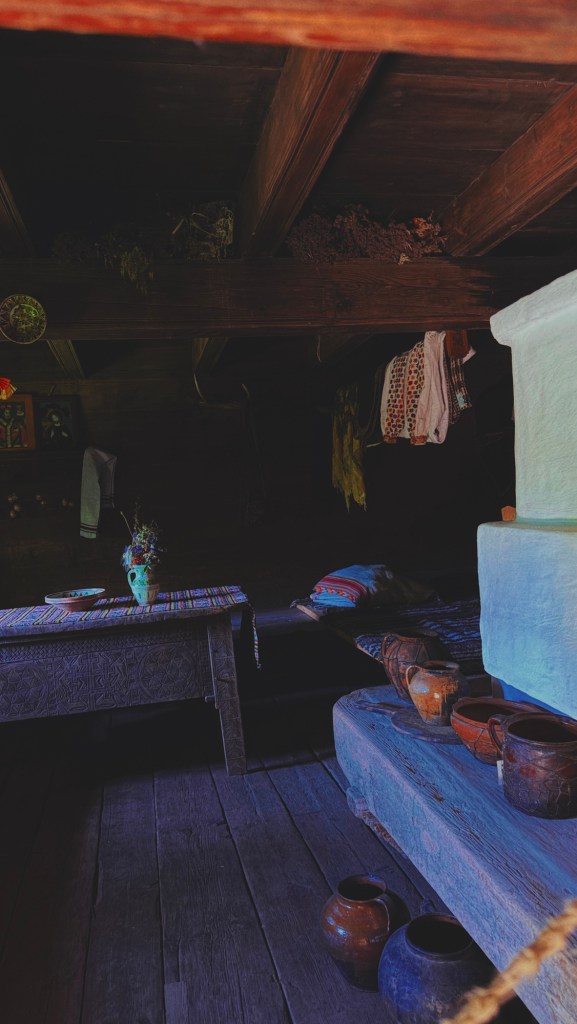
Embroidery traditions survived through Kyivan Rus, the Cossack era, imperial occupations, Soviet repression and modern war.
And that survival matters.
Because Ukrainian embroidery is not simply decorative art. It is evidence of cultural continuity.
A living reminder that Ukrainian identity existed long before repeated attempts were made to suppress or absorb it.
Why Vyshyvanka Day Exists
Vyshyvanka Day itself is relatively modern.
The holiday began in 2006 after a student at Yuriy Fedkovych Chernivtsi National University, Lesia Voroniuk, encouraged classmates to wear embroidered shirts to university together one day.
What started with a few dozen students quickly grew into a nationwide movement.
Soon schools, universities, businesses, public officials and eventually the global Ukrainian diaspora joined in. Today, Vyshyvanka Day is celebrated across dozens of countries worldwide.
Importantly, the holiday is not tied to religion or the state.
It is intentionally simple.
There are no mandatory ceremonies.
No official rituals.
The act itself is the message:
wearing Ukrainian identity openly and proudly in everyday life.
The holiday was intentionally placed on a weekday to emphasize exactly that — the vyshyvanka is not a museum artifact or costume reserved for staged folklore performances. It is part of living Ukrainian culture.
From Tradition to Resistance
Since the start of russia’s war against Ukraine in 2014 — and especially following the full-scale invasion in 2022 — the meaning of the vyshyvanka has deepened even further.
It has become a global symbol of resistance.
As russia attempts to deny Ukrainian nationhood, destroy cultural heritage sites, erase language and rewrite history, Ukrainians have increasingly embraced traditional symbols as acts of defiance.
The vyshyvanka became one of the clearest visual reminders of Ukraines longstanding, independent culture, traditions & identity, stretching back for centuries, and this reality is an open wound for russia who has tried for decades to muddle the waters, change, loot and erase this very part of Ukrainian history.
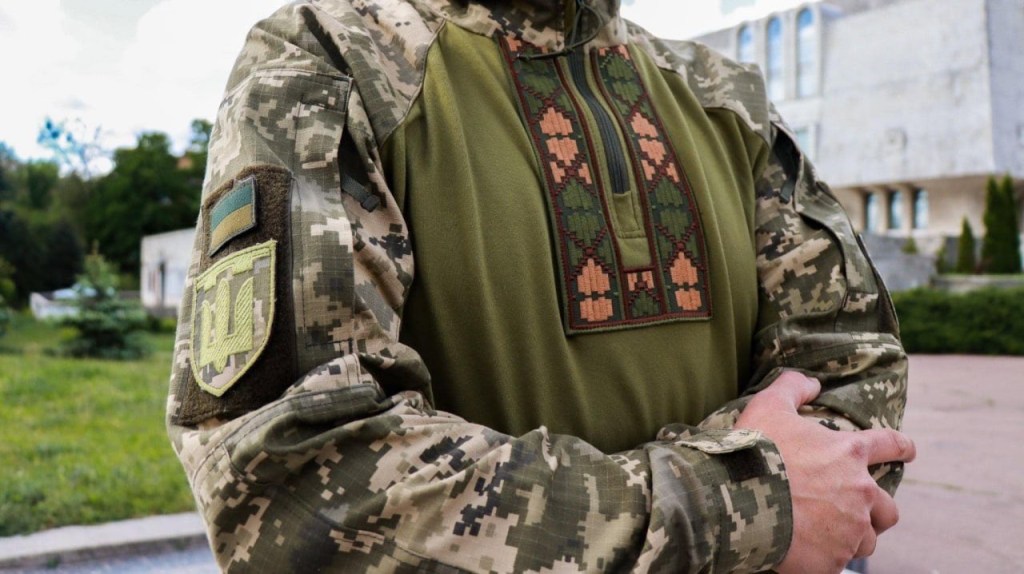
In 2015, Vyshyvanka Day organizers launched the campaign “Give a Vyshyvanka to a Defender,” sending embroidered shirts to Ukrainian soldiers fighting in the war against russian aggression.
Today, soldiers still wear vyshyvankas at the front.
Sometimes under body armor.
Sometimes in trenches.
Sometimes in photographs sent home to loved ones.
Not because they are fashionable.
But because they remind Ukrainians exactly what they are fighting to protect.
How the World Fell in Love With Ukrainian Embroidery
Over the last two decades, Ukrainian embroidery has also exploded onto the international fashion scene.
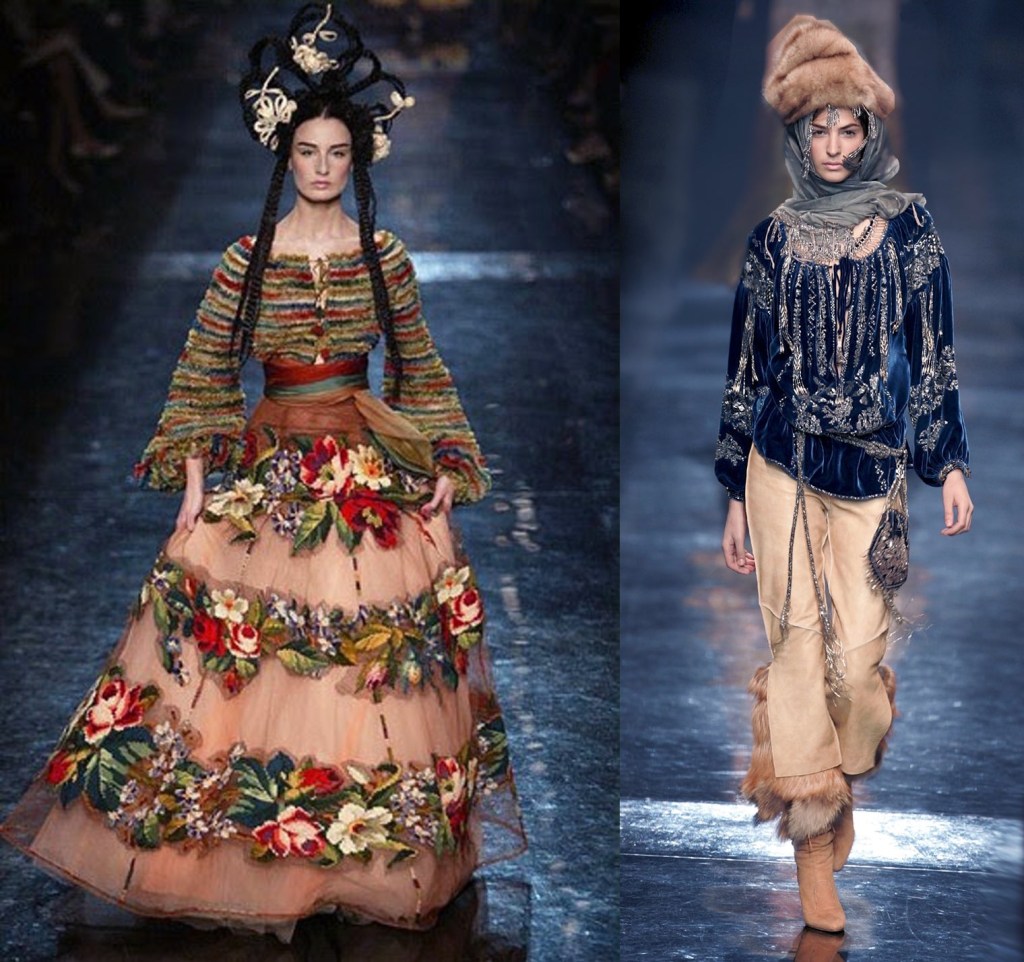
French designer Jean-Paul Gaultier helped introduce Ukrainian-inspired embroidery to global fashion after visiting Ukraine during the Orange Revolution in 2005. Inspired by Ukrainian traditional dress, he later incorporated embroidered motifs into his collections.
Soon other luxury brands followed.
Dior, Gucci, Valentino and Dolce & Gabbana all released collections featuring embroidery heavily inspired by Ukrainian motifs.
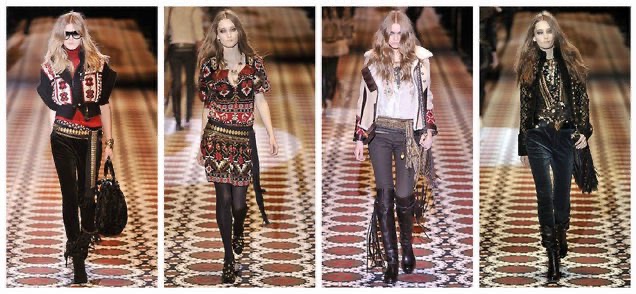
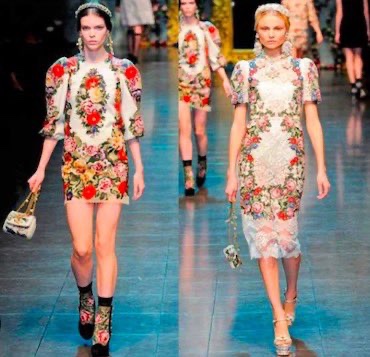
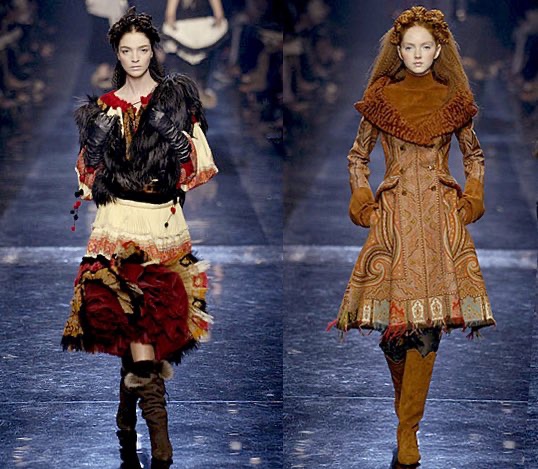
In 2015, American Vogue called vyshyvankas one of the year’s biggest fashion trends.
But behind the aesthetics lies something deeper.
What the world embraced as “bohemian fashion” was, for Ukrainians, something profoundly personal:
ancestry, identity and cultural memory.
Ukrainian Designers Leading the Revival
Modern Ukrainian designers have played a major role in preserving and reinventing vyshyvanka traditions for younger generations.
Among the most internationally recognized is Vita Kin, whose embroidered dresses gained global popularity and were worn by celebrities including Demi Moore, Dita Von Teese and Queen Máxima.
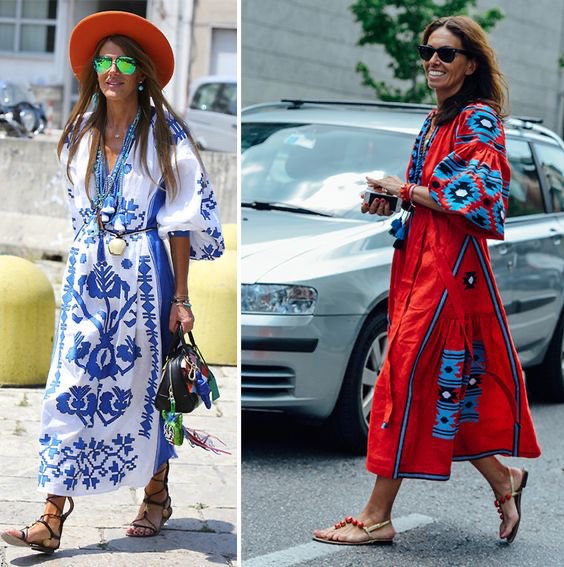
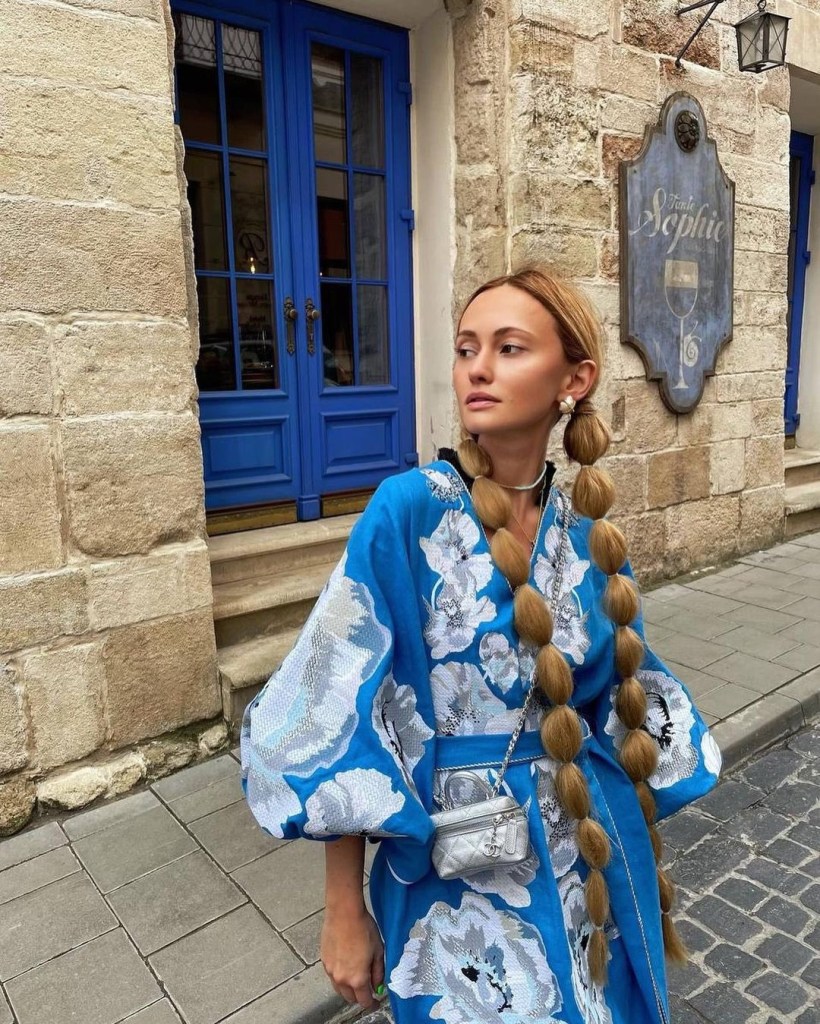
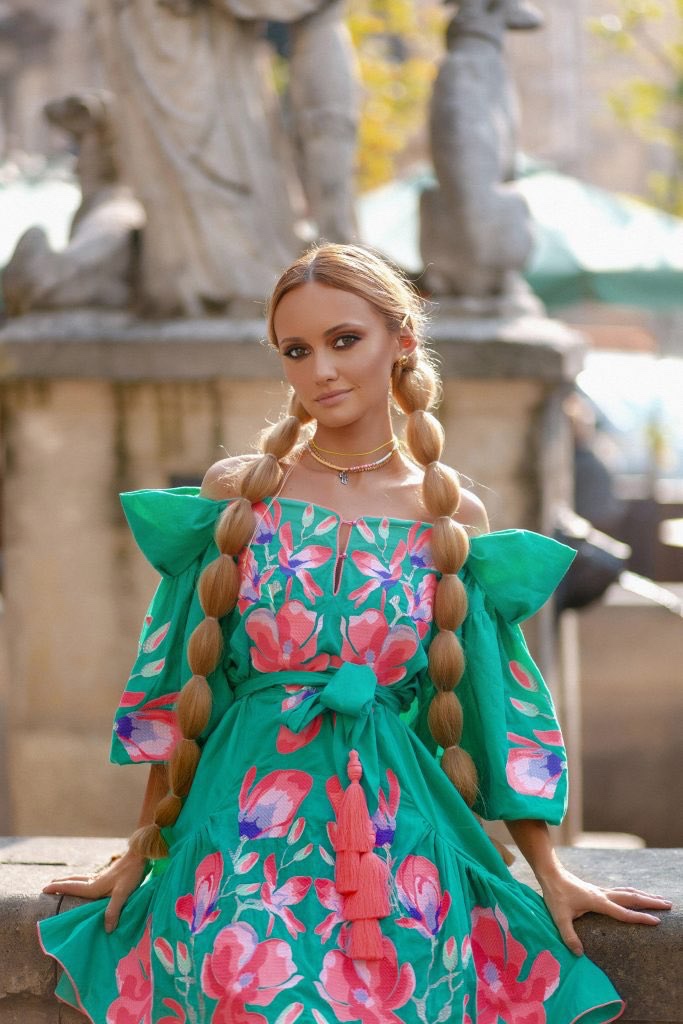
Other Ukrainian brands and designers such as ETNODIM, March11, FOBERINI and Yulia Magdych have helped modernize traditional embroidery while preserving authentic regional techniques.
Their work helped transform the vyshyvanka from something associated only with folk festivals into something proudly worn in everyday modern life.
A Global Symbol of Solidarity
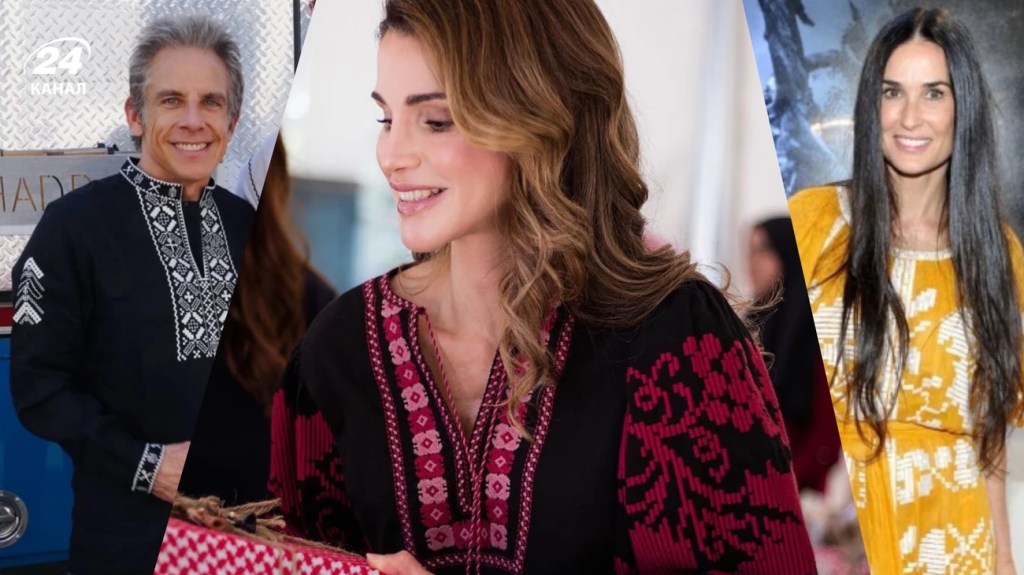
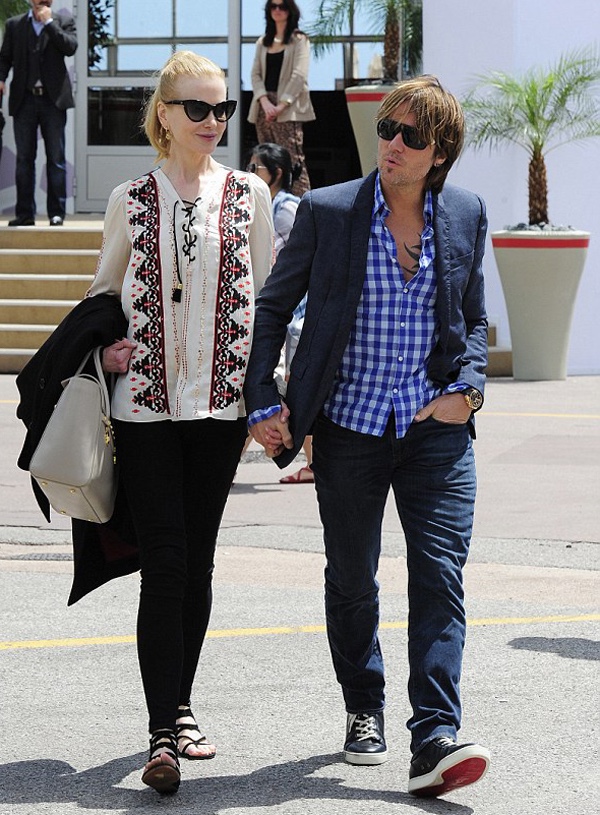
Since 2022, world leaders, celebrities and public figures have increasingly worn vyshyvankas as a sign of solidarity with Ukraine.
Queen Letizia wore a traditional Ukrainian embroidered blouse shortly after russia’s full-scale invasion.
European leaders, ambassadors and international institutions regularly participate in Vyshyvanka Day events to show support for Ukraine and Ukrainian culture.
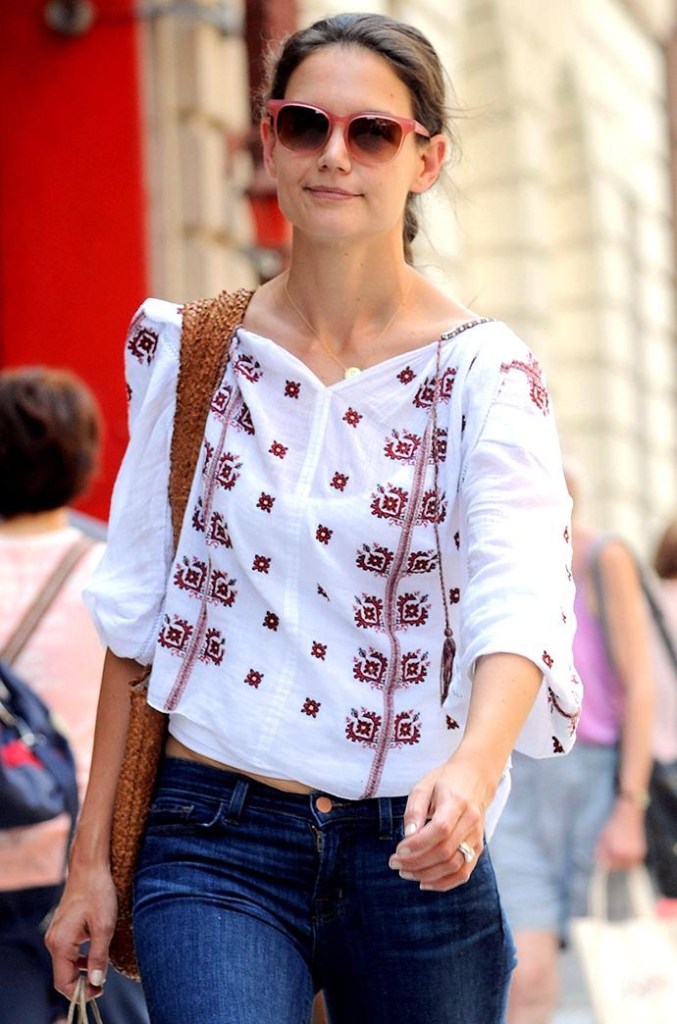
Across cities like Toronto, Prague, Warsaw, Gdańsk and New York, Ukrainian communities organize marches, concerts and cultural celebrations dedicated to the holiday.
What began as a student initiative in Chernivtsi has become a worldwide cultural movement.
The Fight to Preserve Ukrainian Culture
In 2024 Ukraine submitted the vyshyvanka for inclusion on UNESCO’s Representative List of the Intangible Cultural Heritage of Humanity — a historic step toward international recognition and preservation of Ukrainian cultural identity.
And perhaps that matters now more than ever.
Because Vyshyvanka Day is ultimately not about nostalgia.
It is about survival.
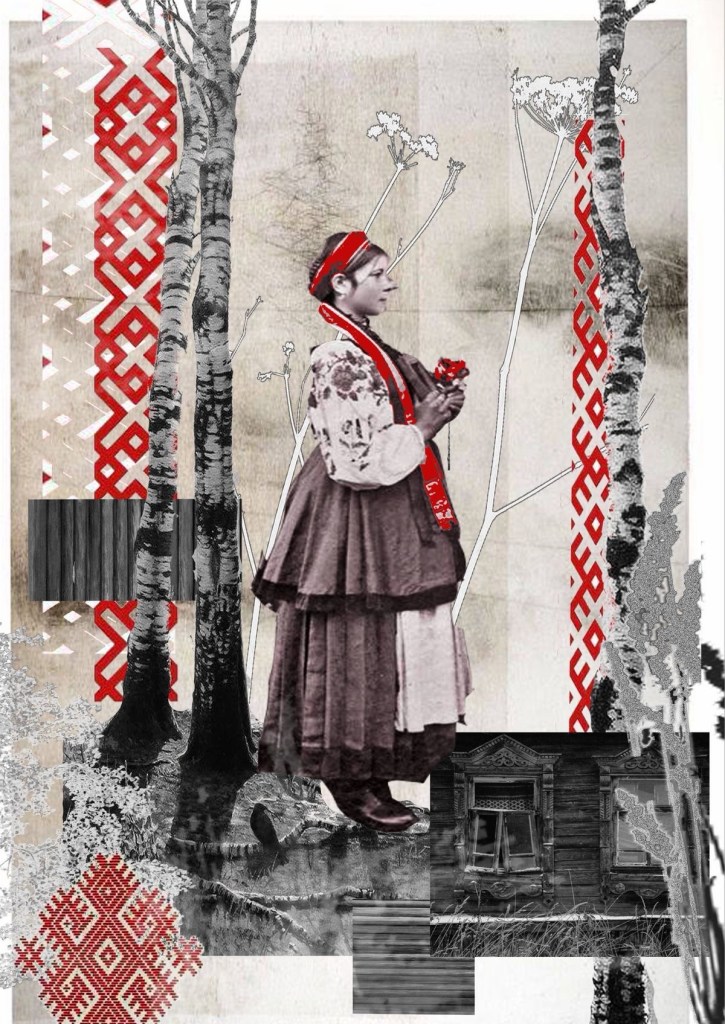
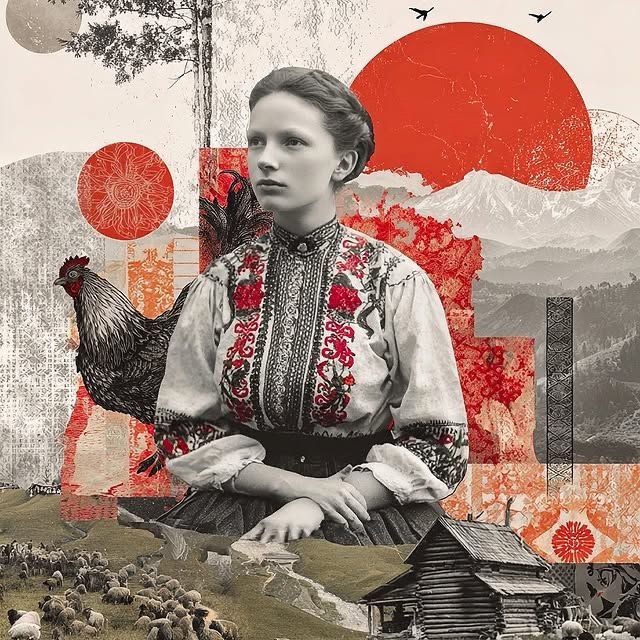
Every embroidered pattern carries fragments of Ukrainian history.
Every stitch carries memory.
Every shirt carries the story of generations who refused to disappear.
At a time when missiles destroy museums, churches, libraries and homes across Ukraine, the simple act of wearing a vyshyvanka becomes something powerful:
A refusal to be erased.
Sharing as a sign of support
One of the most beautiful things about Ukraine is how deeply culture lives inside everyday life.
Not hidden away in museums.
Not treated like a relic of the past.
But alive.
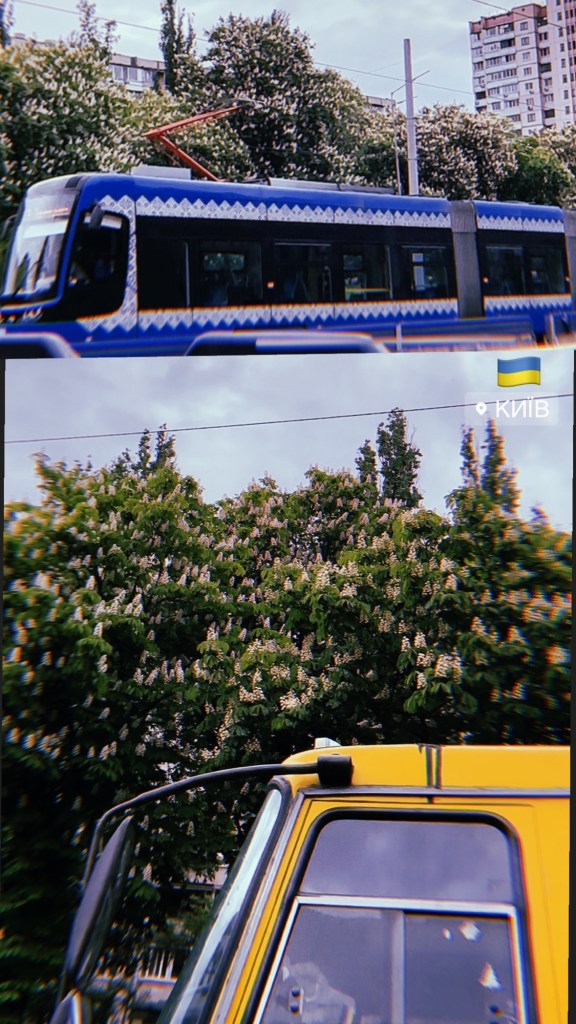
You see it in music, poetry, language, food, traditions and embroidery passed down through generations — often during times when Ukrainians were actively punished for preserving their identity.
That’s why Vyshyvanka Day matters so much.
Because for Ukrainians, culture is tied to something bigger. It’s survival of identity and independence. It’s about proudly displaying, retelling, showcasing and wearing your history, what your ancestors fought for and what Ukraine today still is forced to be fighting for.
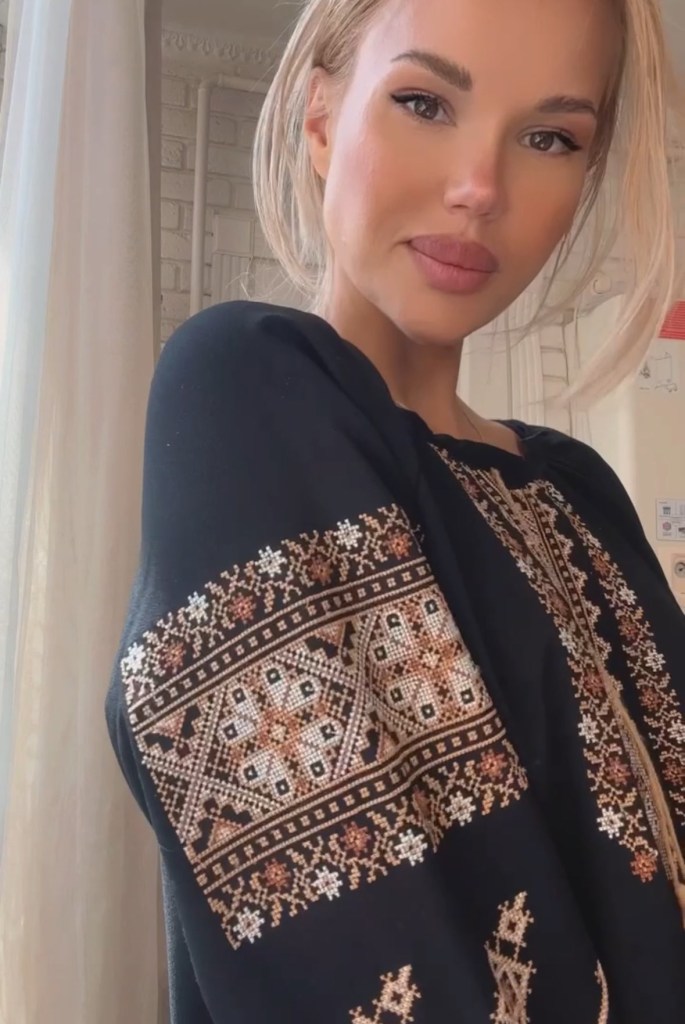
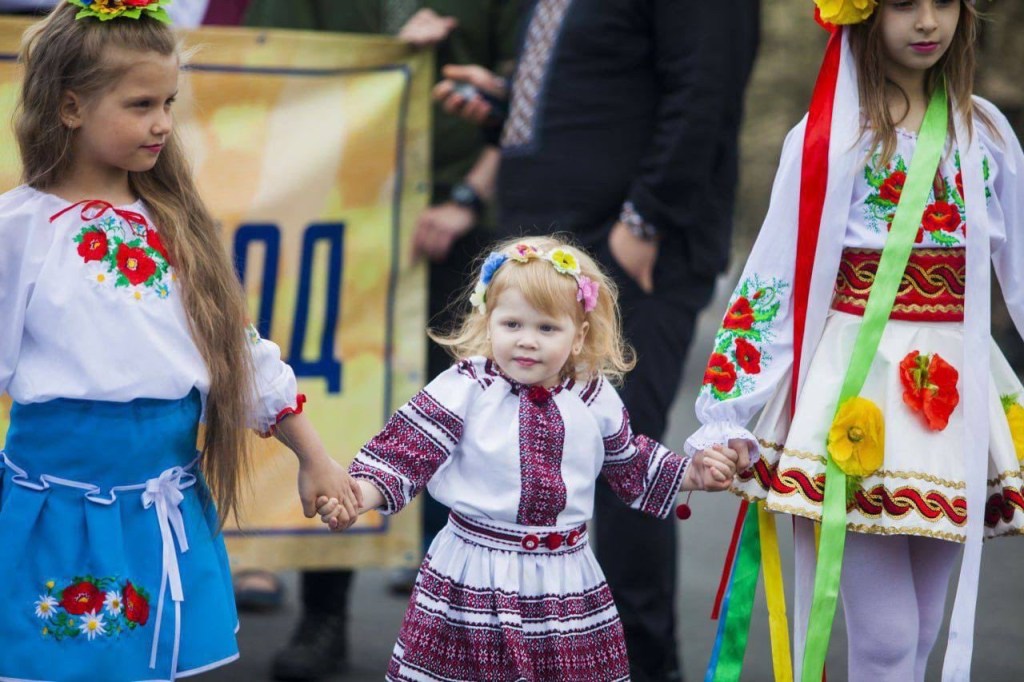
Vyshyvanka Day is a beautiful reminder of the richness & resilience of Ukrainian culture. By wearing these embroideries Ukrainians & supporters honor the past, celebrate the present & hope for a brighter, independent future