On May 18, 1944, one of the most traumatic — yet least acknowledged — genocides of the 20th century began.
Over 200,000 Crimean Tatars were forcibly deported from their homeland by Stalin’s Soviet regime in an event now known as the Sürgünlik.
Entire families were torn from their homes with just 15 minutes to pack, herded into cattle cars, and exiled to distant lands under brutal conditions.
Over eighty years later, with Crimea under russian occupation once again, the persecution of Crimean Tatars continues. Their history, identity, and very existence are under threat — again.
This is a story of survival, cultural erasure, and the cycle of unpunished evil. And it’s a story the world needs to hear.
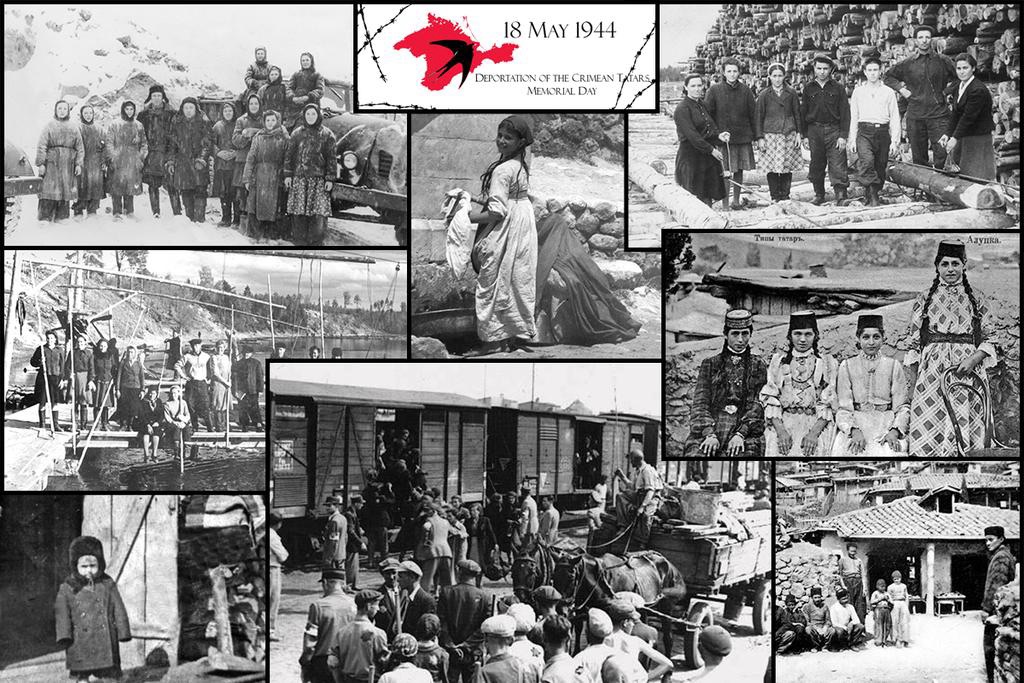
A Crime Against a People
In the early morning hours of May 18, 1944, Stalin ordered the complete deportation of the Crimean Tatar population. Soviet soldiers arrived without warning, gave families no more than 10 to 15 minutes to gather their belongings, and forced them from their homes at gunpoint.
The official Soviet justification? Alleged “Nazi collaboration.”
The reality? A baseless accusation, used as a smokescreen for ethnic cleansing.
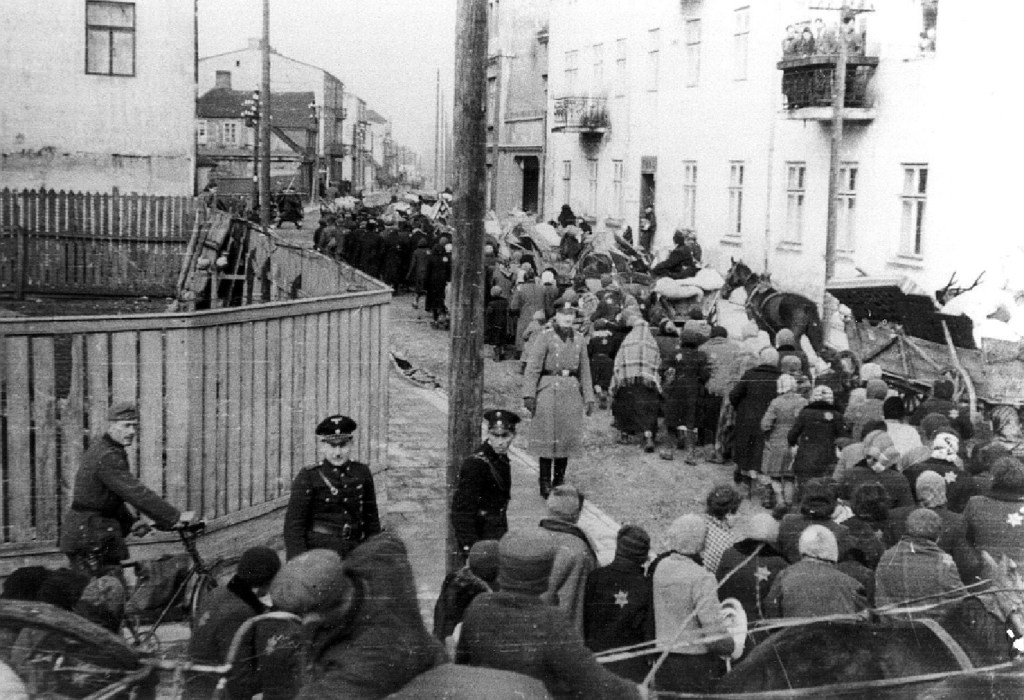
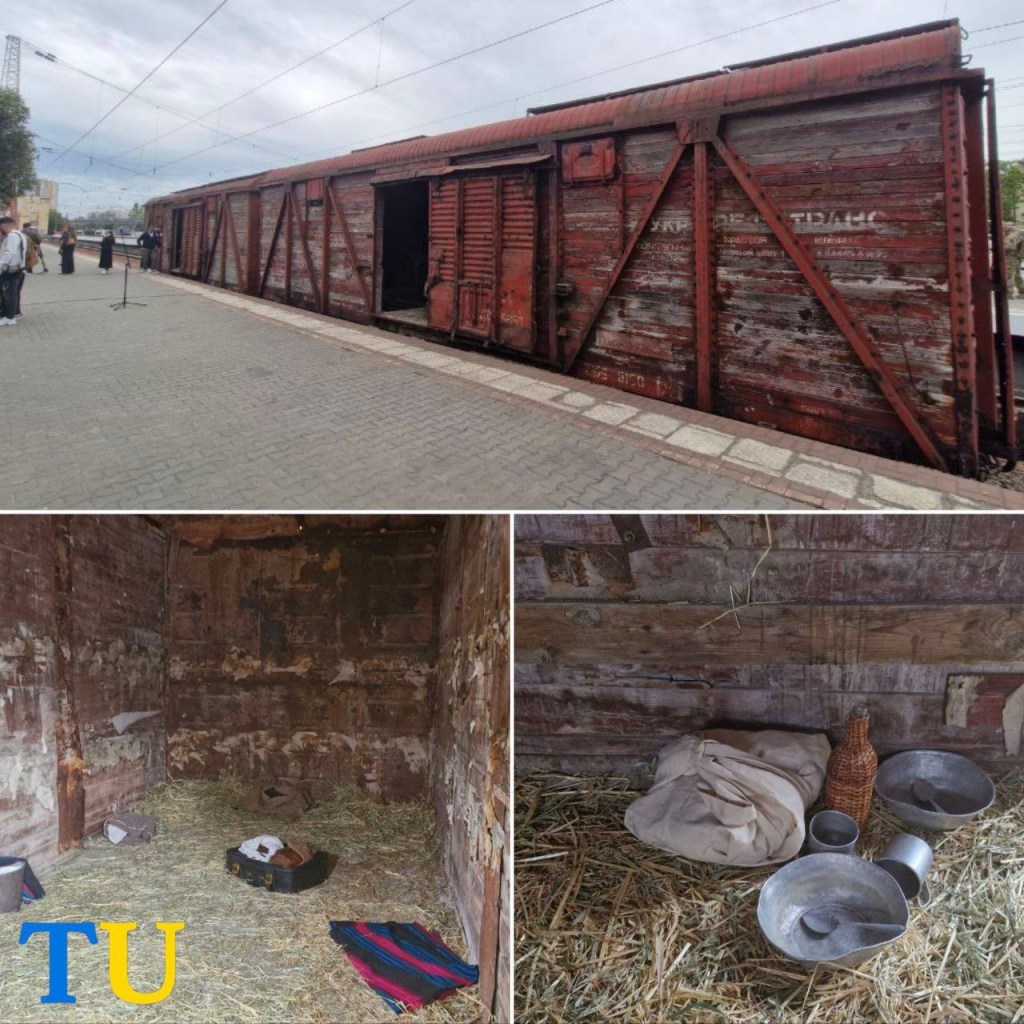
More than 200,000 Tatars were loaded into sealed cattle cars — without windows, seats, toilets, or medical assistance. For days, sometimes weeks, they were transported across thousands of kilometers in suffocating, unsanitary conditions. Children, pregnant women, and the elderly died in transit. Over 8,000 people perished before even reaching their places of exile.
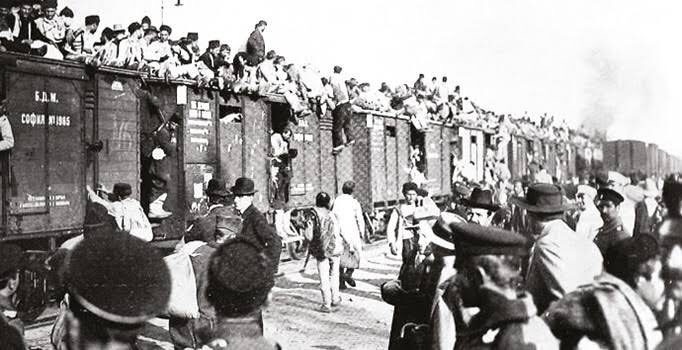
“Human Dumping Grounds”
Those who survived the journey were dumped into remote areas of Uzbekistan, Kazakhstan, Kyrgyzstan, and Siberia — places that historians have grimly referred to as “human dumping grounds.”
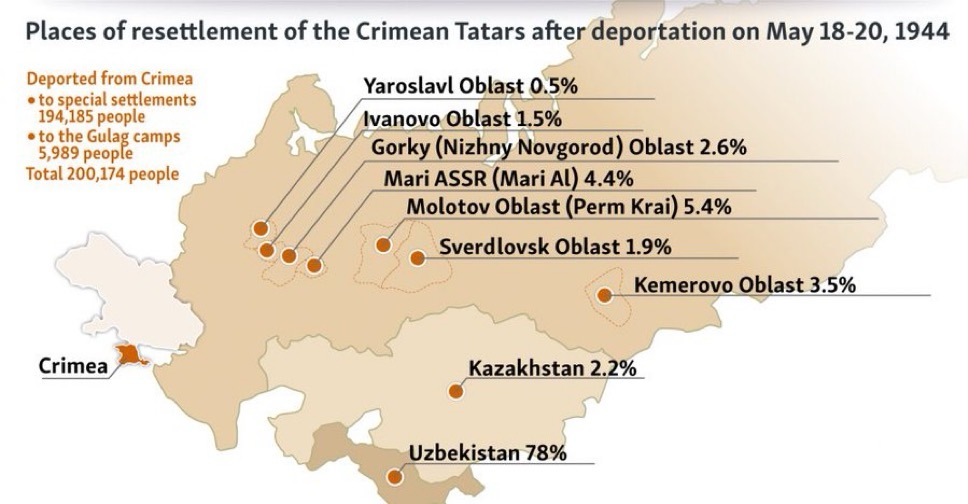
But the suffering didn’t end there. Between July 1944 and January 1947, an estimated 109,956 Crimean Tatars — nearly half of the total deported population — died of starvation, disease, and extreme climate exposure in exile.
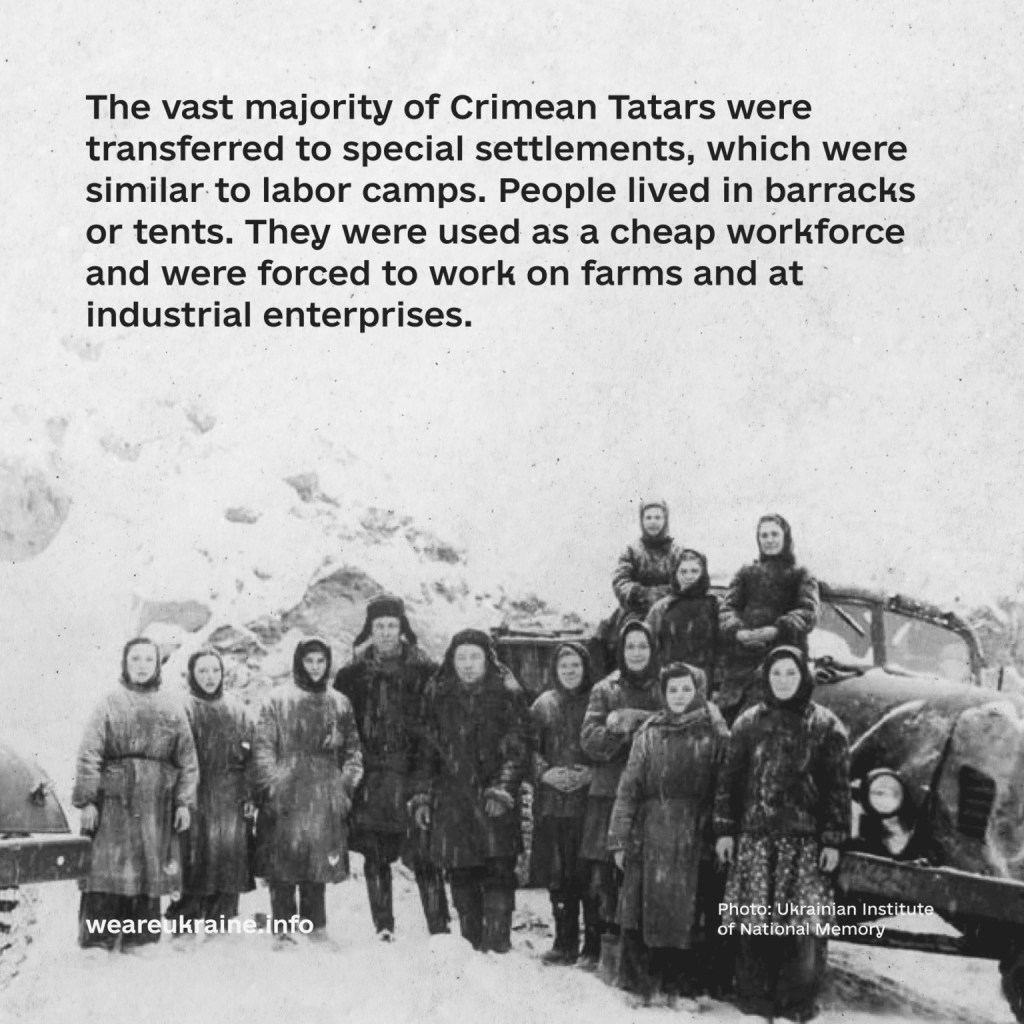
Their deaths were not collateral. They were the result of calculated cruelty and state-directed neglect.
Four Decades of Exile
For more than 40 years, Crimean Tatars remained in forced exile. They were barred from returning home, stripped of citizenship, excluded from the census, and prohibited from speaking their language in schools.
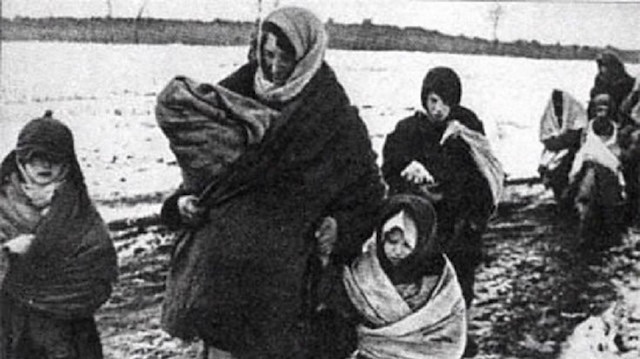
The Soviet regime worked deliberately to erase their cultural identity. Thousands of Crimean place names were replaced with russian ones. Their history was rewritten — or deleted. Crimea’s true heritage was buried beneath the weight of occupation.
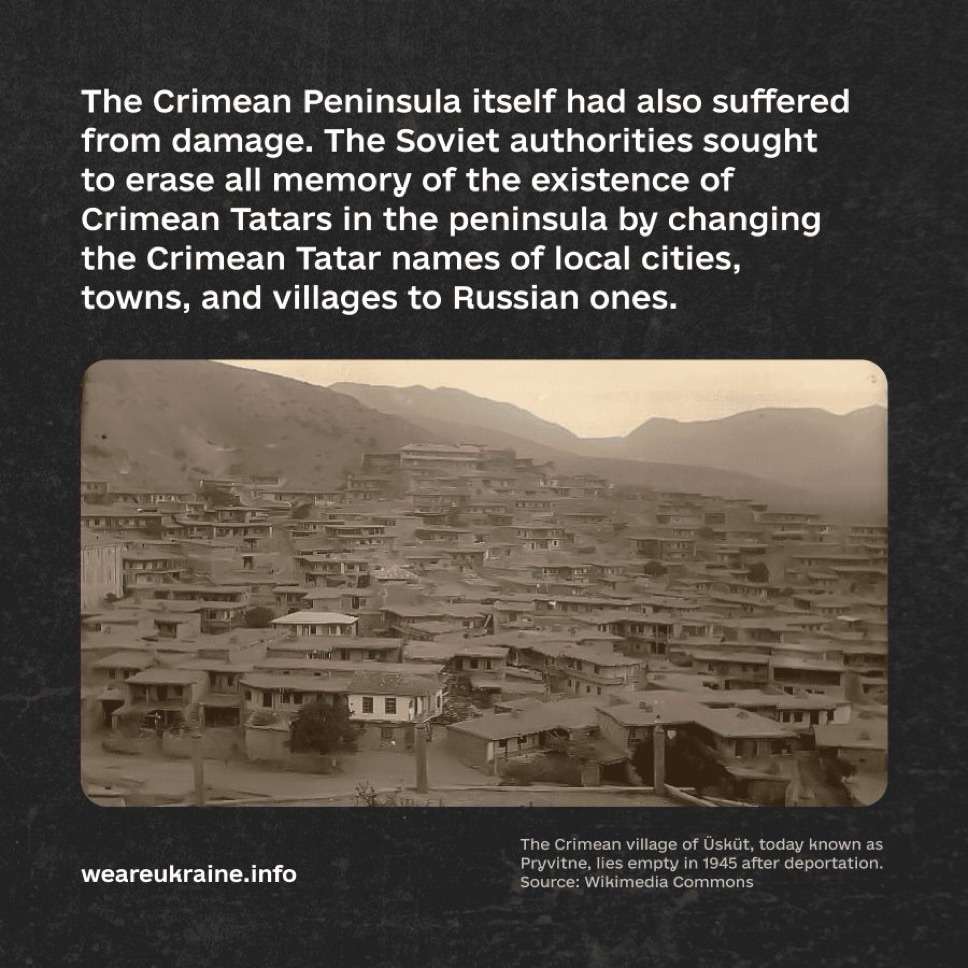
The genocide was not only physical — it was cultural, linguistic, and spiritual.
The Return — and Renewed Occupation
In 1987, as the Soviet Union began to collapse, Crimean Tatars were finally allowed to return to their homeland. By the early 1990s — after Ukraine declared independence — they had become the third-largest ethnic group in Crimea.
Ukraine took legislative steps to restore the rights of its deported peoples, passing laws like the Declaration of Rights of Nationalities and the Restoration of Rights of People Deported on Ethnic Grounds. These were efforts to heal historical wounds and build a pluralistic democracy.
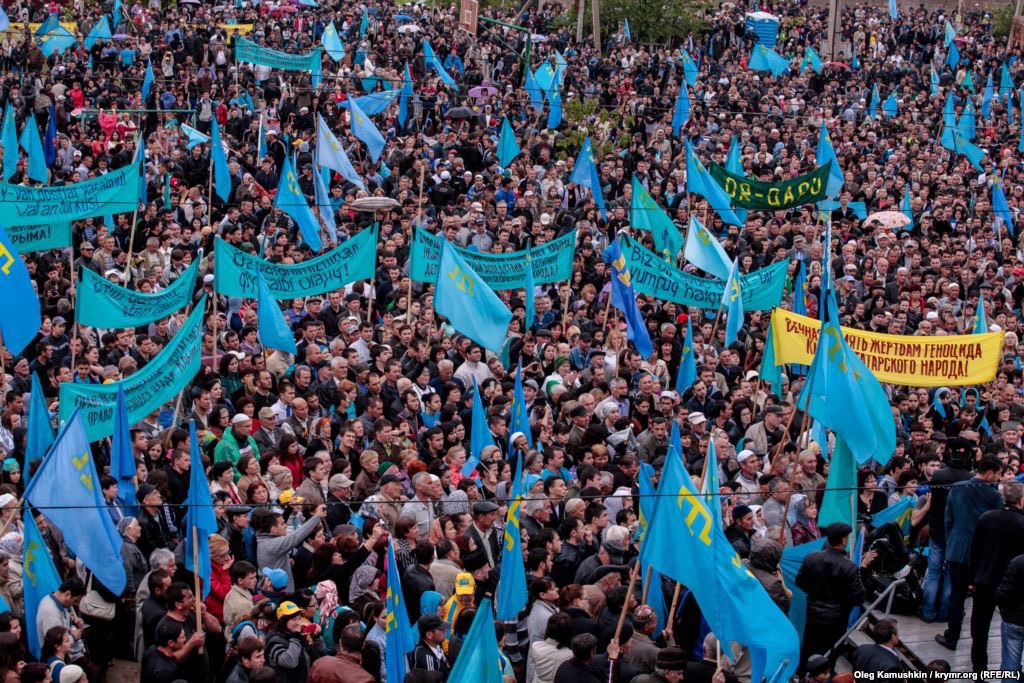
But russian imperialism never stopped.
In 2014, russia illegally annexed Crimea after a sham referendum, reigniting a modern campaign of repression against the Crimean Tatars.
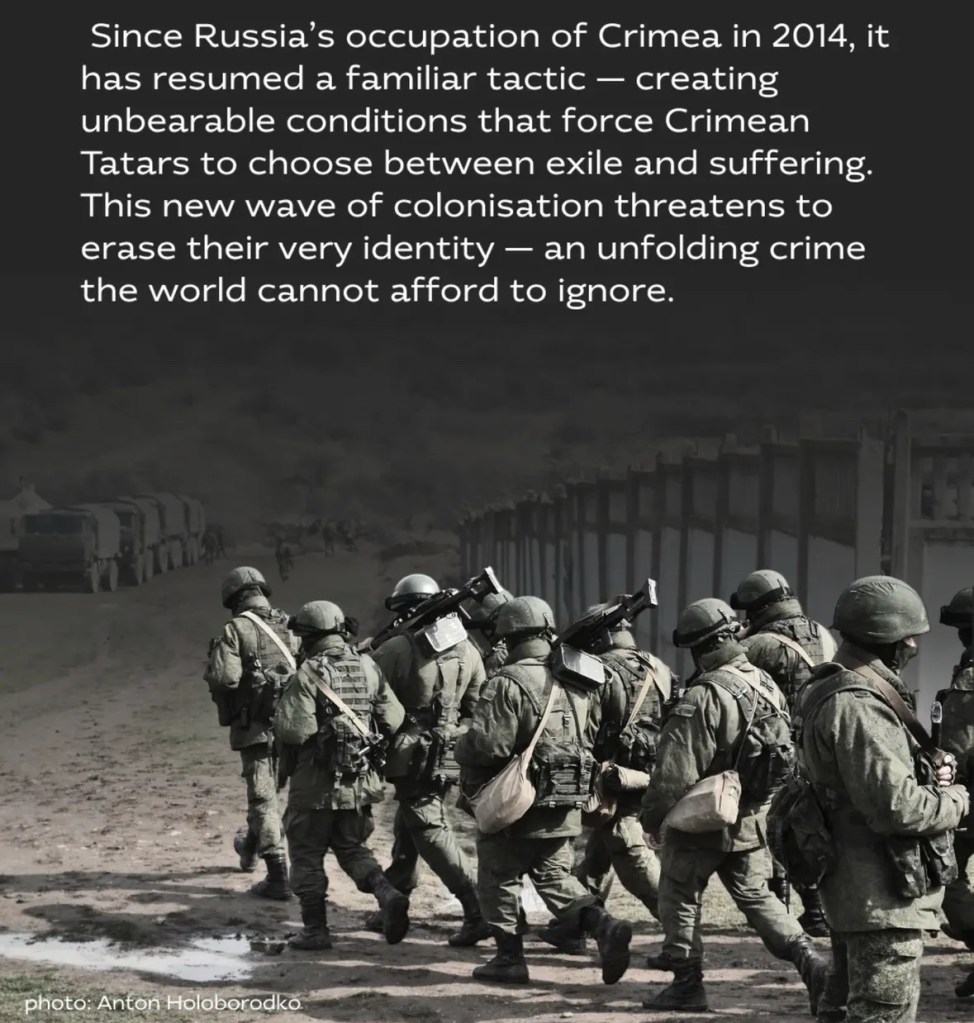
Echoes of the Past
Today, under russian occupation, Crimean Tatars are once again persecuted.
• Independent Tatar media outlets have been shut down.
• Over 150 Crimean Tatars are currently political prisoners, facing long sentences under fabricated charges of “extremism.”
• Leaders, journalists, and activists have been imprisoned, disappeared, or driven into exile.
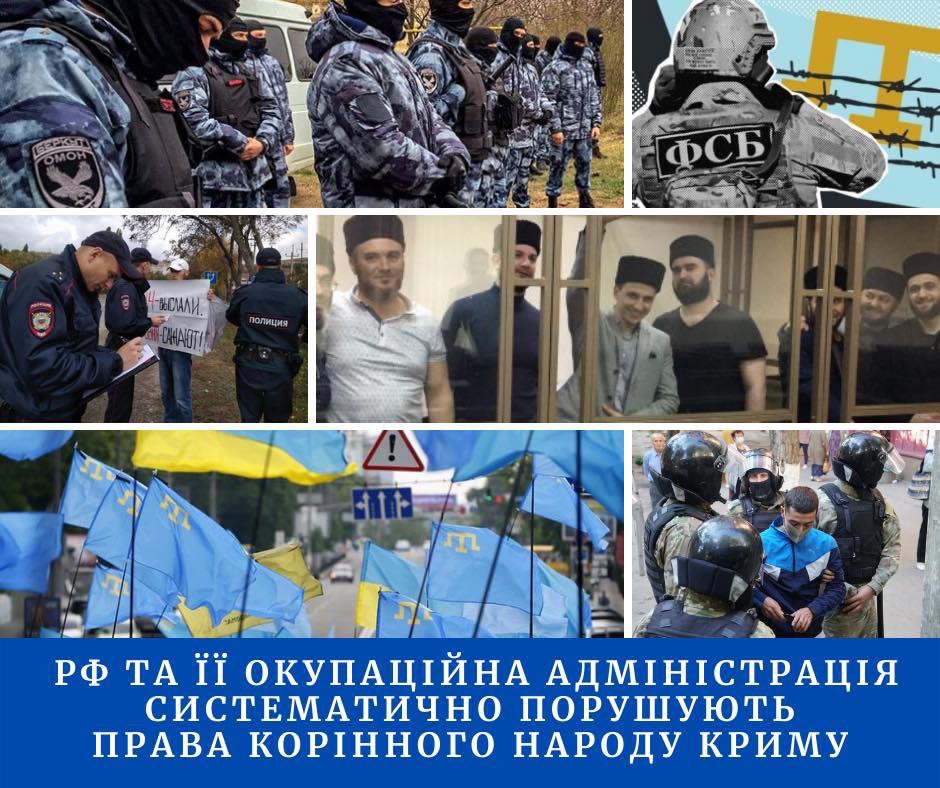
The Sürgünlik did not end in the 1940s. It continues in 2024 — updated for the Putin era.
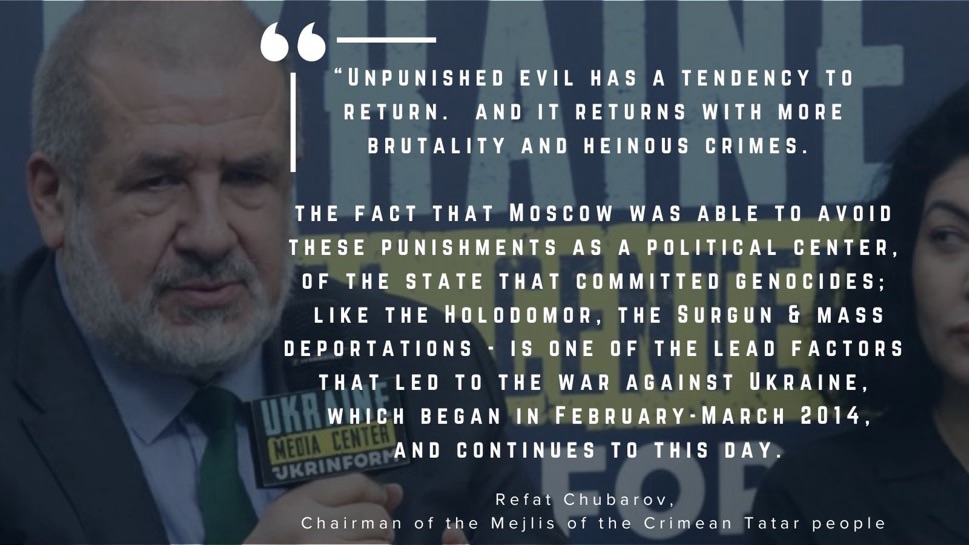
As Refat Chubarov, Chairman of the Mejlis of the Crimean Tatar People, recently warned:
“Unpunished evil has a tendency to return — and it returns with more heinous crimes.”
Naming the Crime
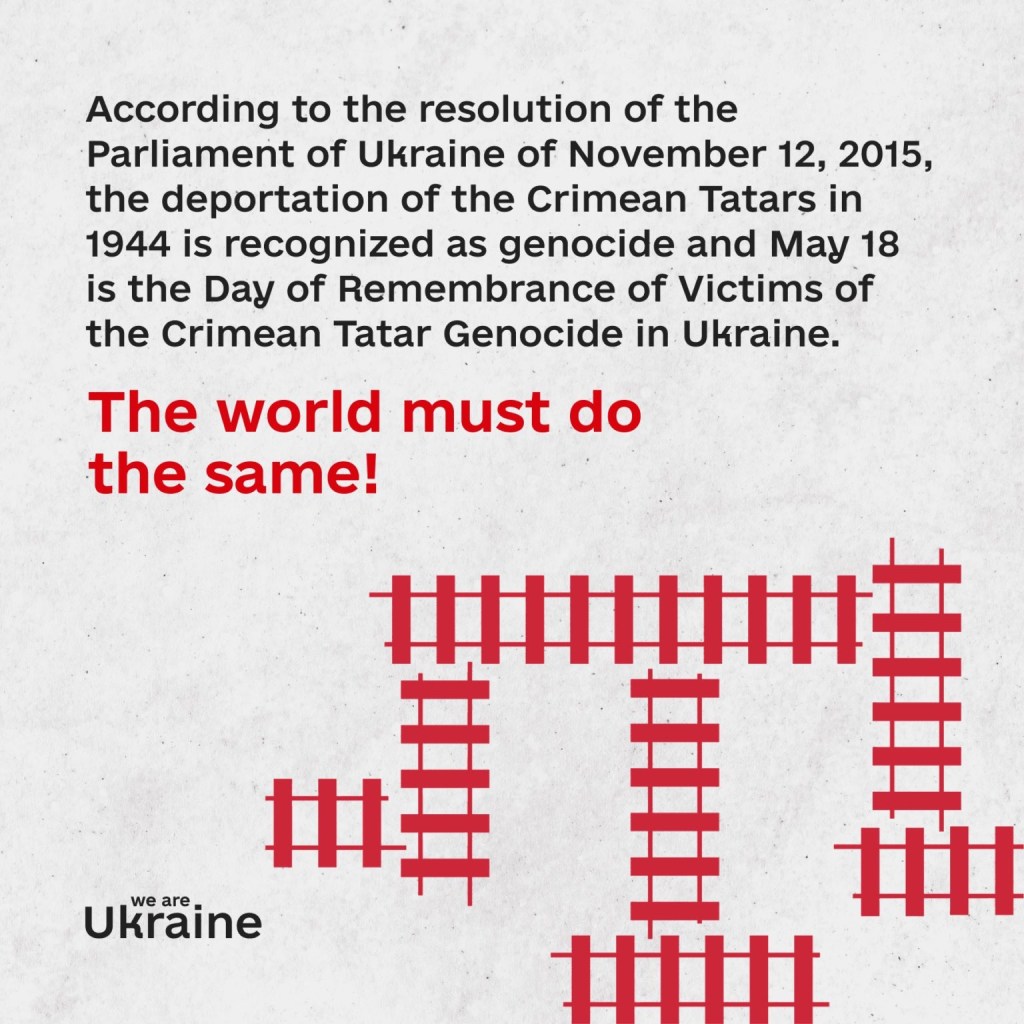
In recent years, several nations have begun to acknowledge the truth of this atrocity. Ukraine, Canada, Latvia, and Lithuania have recognized the Sürgünlik as a genocide. But far too many governments still look away, failing to connect the dots between past and present.
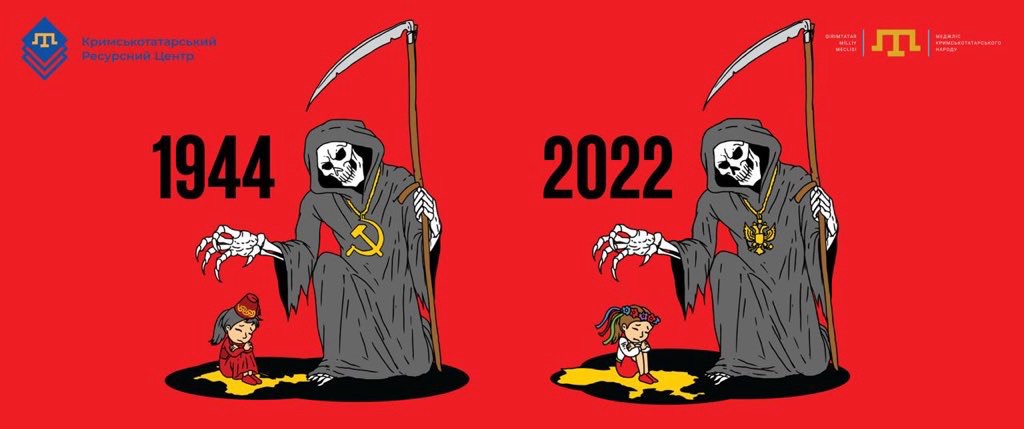
The same russia that committed genocide in 1944 is committing war crimes today. The pattern is not new — it’s just been ignored.
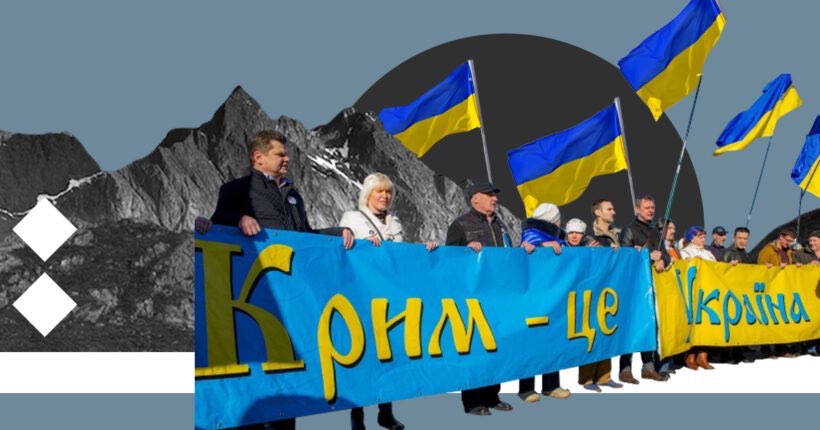
Crimea Is Ukraine
The truth is clear: Crimea was never russian. It was occupied, renamed, and rewritten — but it was never theirs.
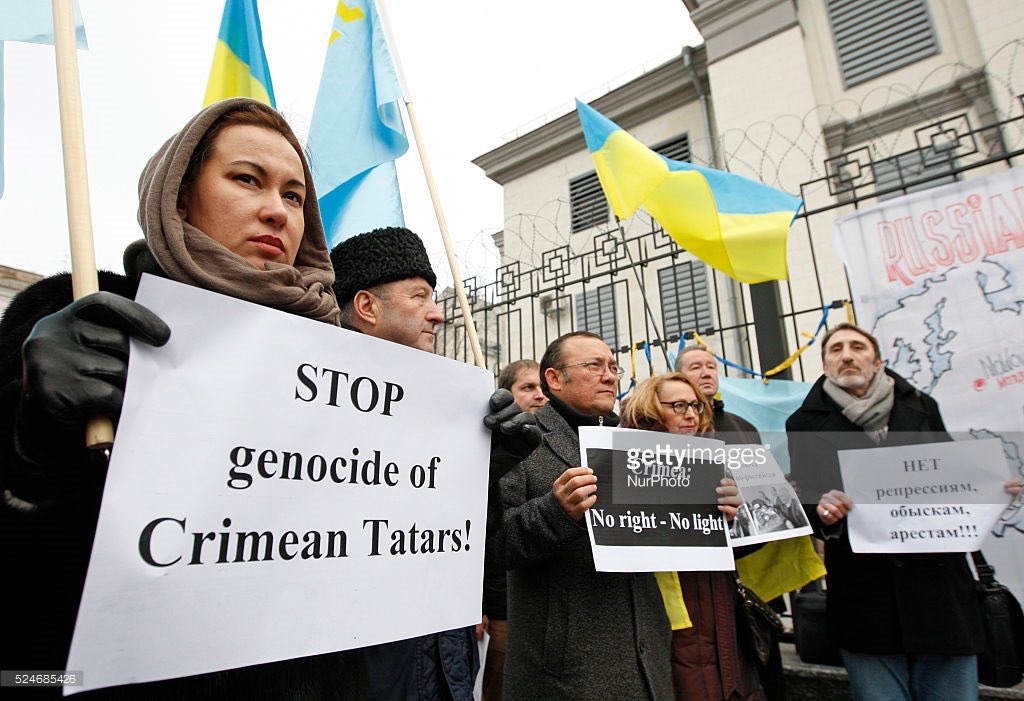
Crimea is the indigenous homeland of the Crimean Tatars. It is an integral part of Ukraine, and its de-occupation is not just a geopolitical necessity — it is a matter of justice, identity, and survival.
The Responsibility of Our Time
More than eighty years after the Sürgünlik, we face a choice.
We can let history repeat — again — or we can break the cycle.
We must recognize the genocide for what it was. We must demand the release of political prisoners. We must support Ukraine’s full restoration of sovereignty, including over Crimea.
This is our moment to write a different chapter — one that ends not in silence, but in truth and accountability.
For the pain inflicted on the Crimean Tatars — and all Ukrainians — it is time for justice. It is time for healing. And it is time for the world to stop looking away.
- The IOC Want To Silence Their Memory, So We Will Say Their Names Even Louder
- The Stolen Ukrainian Children: The russian War Crime Of Erasing Generations
- The Witkoff File: Three Decades of russian Cash, One Kremlin “Peace Plan.”
- Strength Under Fire: Ukrainians Fight So the Future Isn’t Ruled by Tyrants
- 165 Days of Heroism: The Story of Two Ukrainian Soldiers Who Defied the Odds

 Ine in Ukraine