The Children of War: They deserve to be protected
I’m not going to lie, I cry little rivers every now and then. Drowning in emotions isn’t strange when living and working in a country at war; you see an overwhelming amount of the absolute worst and absolute best of humanity several times a day.
The worst part is, of course, the pain and losses that you see and feel people go through—the destruction, the heartache.
I’m sure for those working with psychology, this might not be revolutionary at all, but I’ve learned something about my own emotional responses that surprised me a bit.
The Weight of Suppressed Grief
Firstly, I will say the least surprising parts, which is, of course, the suppression of certain feelings. This is absolutely nothing new and something I was well aware of, and I see it and feel it every day in Ukraine. It’s a human defense mechanism that is amplified by the surroundings.
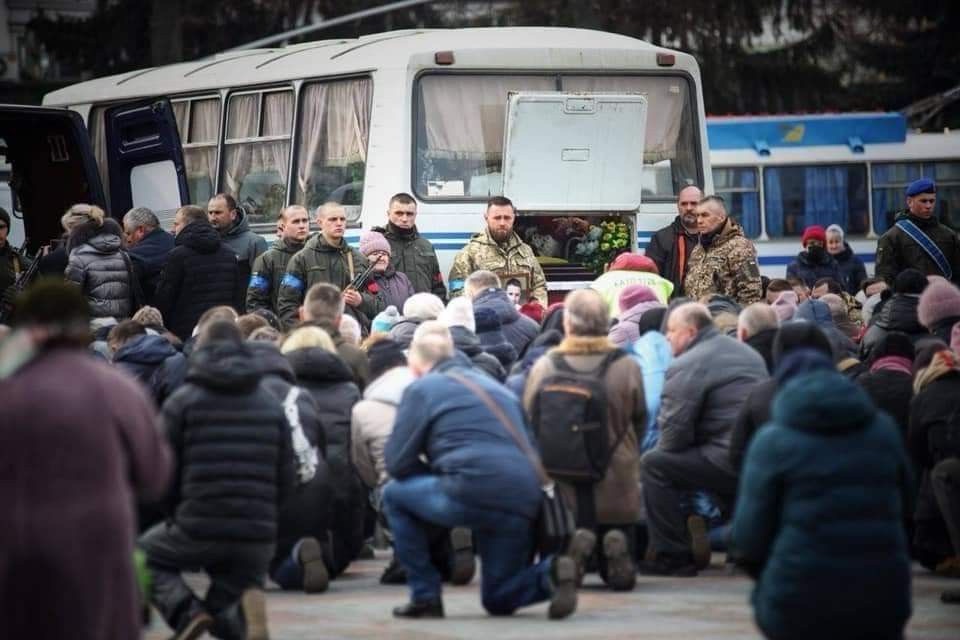
Not only is grief painful to live with, but in war, you don’t even have the time or mental capacity to process it. Soldiers lose their brothers and sisters every day, some watch them die. And the fight continues. They have no time to stop and process grief.
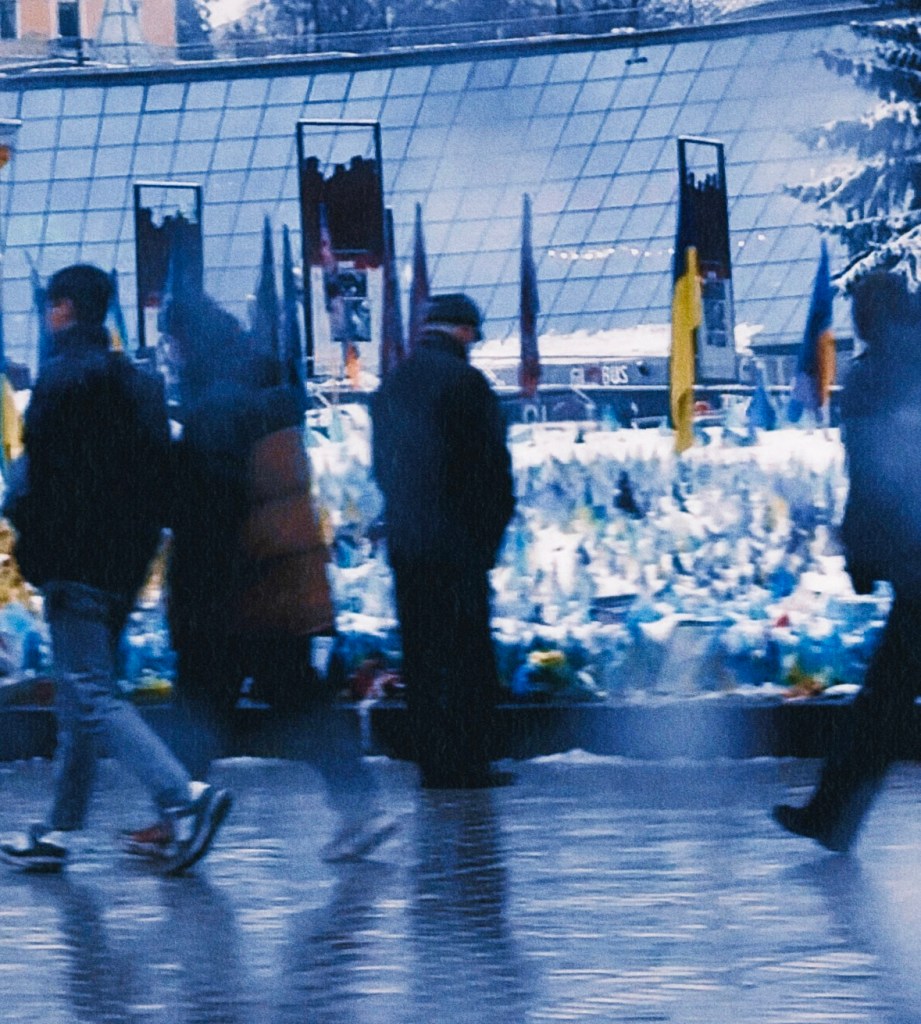
Even during normal circumstances, grief isn’t exactly the easiest of emotions to come to terms with. It can show up in the least expected situations, triggered by the smallest of things—the first wildflower breaking through the frost in early spring, the scent of firewood carrying memories filled with love. But we do not live in our memories. We live here, right now, and sometimes those memories are now locked in a capsule made of grief.
Grief is painful, but I’ve learned to think about it as a means of preservation. It embraces all the space where love once was, wrapping around the most precious memories so that they stay with us in the present. The love for whatever we lost stays with us—it just has a new name now.
Grief never leaves, and when every day is filled with new pain and losses, processing it becomes nearly impossible.
I’ve met mothers who’ve lost a child at the frontlines while another of their children still fights there. I’ve met families who have lost several loved ones but must fight every day for the release of another who is held in Russian captivity. I’ve met many who do not even know the fate of the people they love—if they are dead or alive—because they live under Russian occupation. Families who fear the worst but hope for the best.
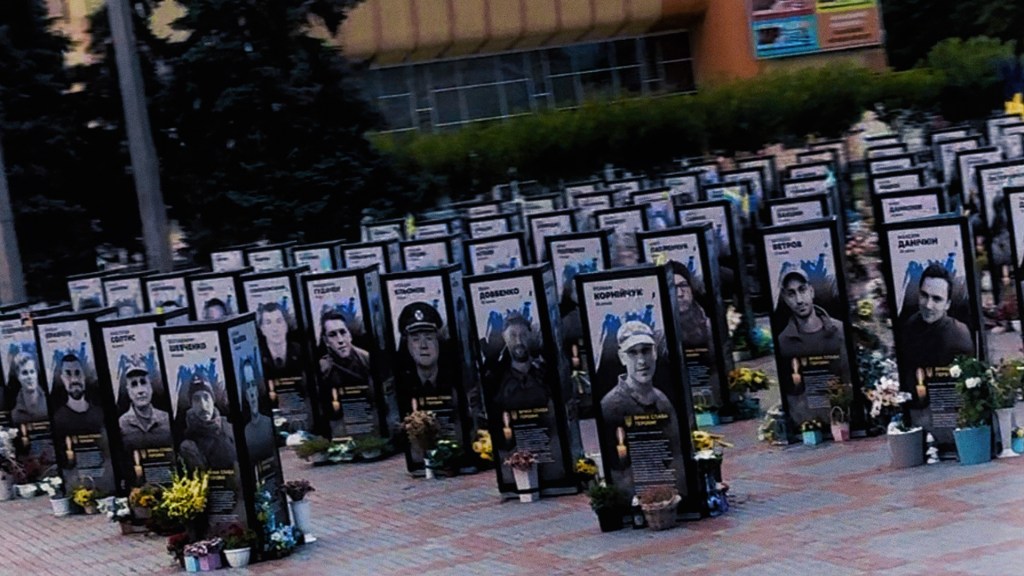
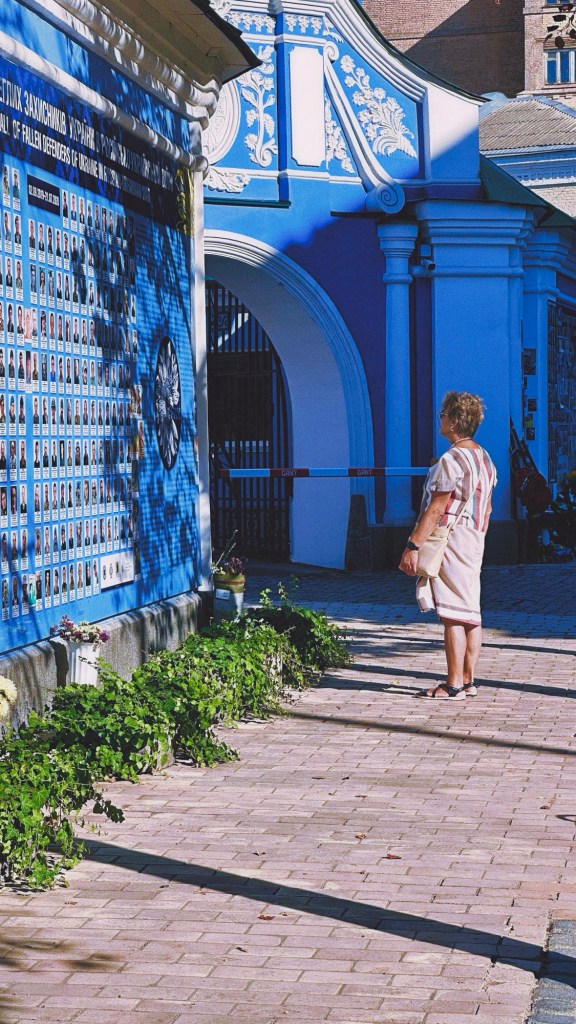
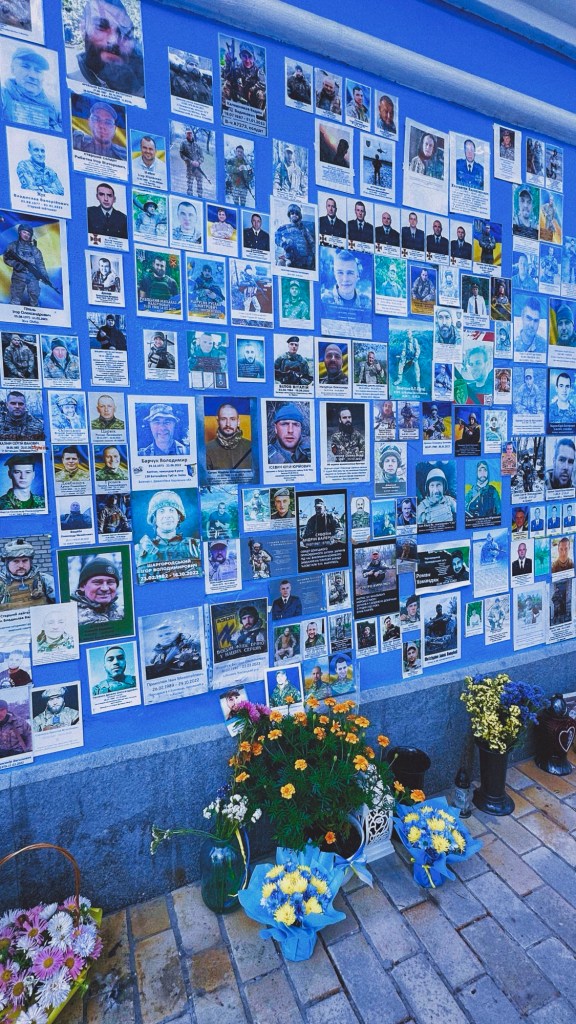
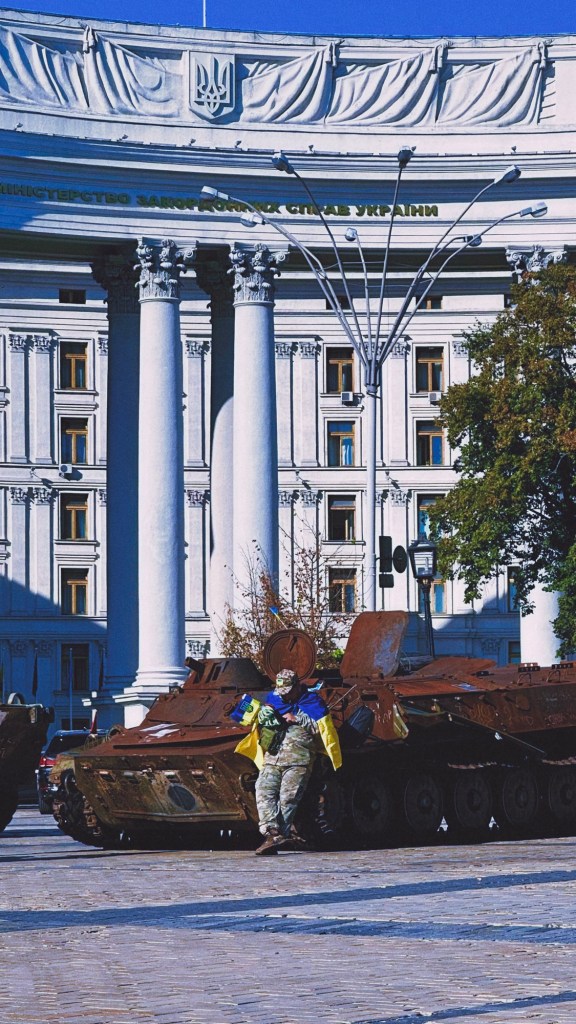
It is impossible to completely process something that’s still in the process of happening. War is unprecedented. There is no step-by-step guide on how to live and deal with it. You fight, you hope, and you do what you can to survive.
Caring hearts
Secondly, to the thing that has surprised me, something I wasn’t as prepared for as other emotional responses.
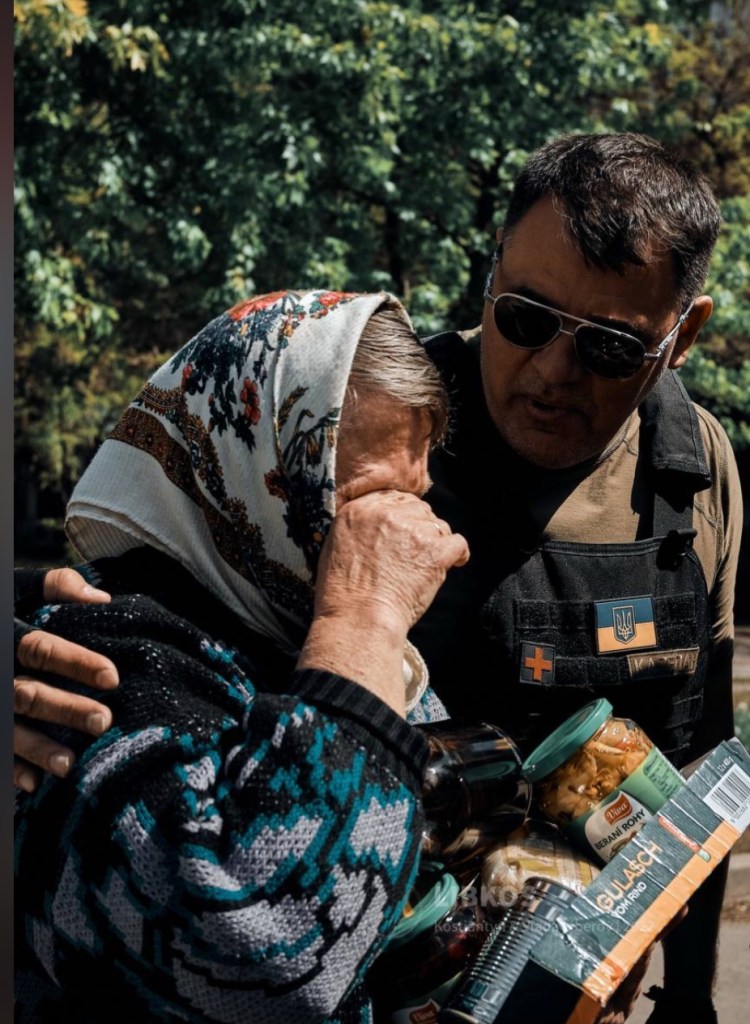
I’ve become overly emotional when seeing kindness—it is everywhere. People helping each other. Volunteers risking their lives to feed struggling families, evacuate civilians from unsafe areas, rebuild homes destroyed by Russian missiles, rescue abandoned animals.
My response to compassion has always been strong, but it has amplified.
And then there are these new situations, ones that create emotions I can barely understand. And this is where my reaction often becomes overwhelming, even for me.
The Story of Andry Valeryevich
This is where my main story of today comes in, because I cannot simply explain it. I will show you what triggered it today and explain.
Andry Valeryevich is a Ukrainian, a Kherson native, whom I have gotten to know and followed since the beginning of Russia’s full-scale invasion.
Before the war, he was a boxer and a boxing instructor for kids. After the invasion, he started doing everything possible to help his community. He delivers food, clothing, and donations across Kherson. He rescues animals, finds them shelter, and fundraises for everything from wheelchairs for the elderly to diapers and toys for children.
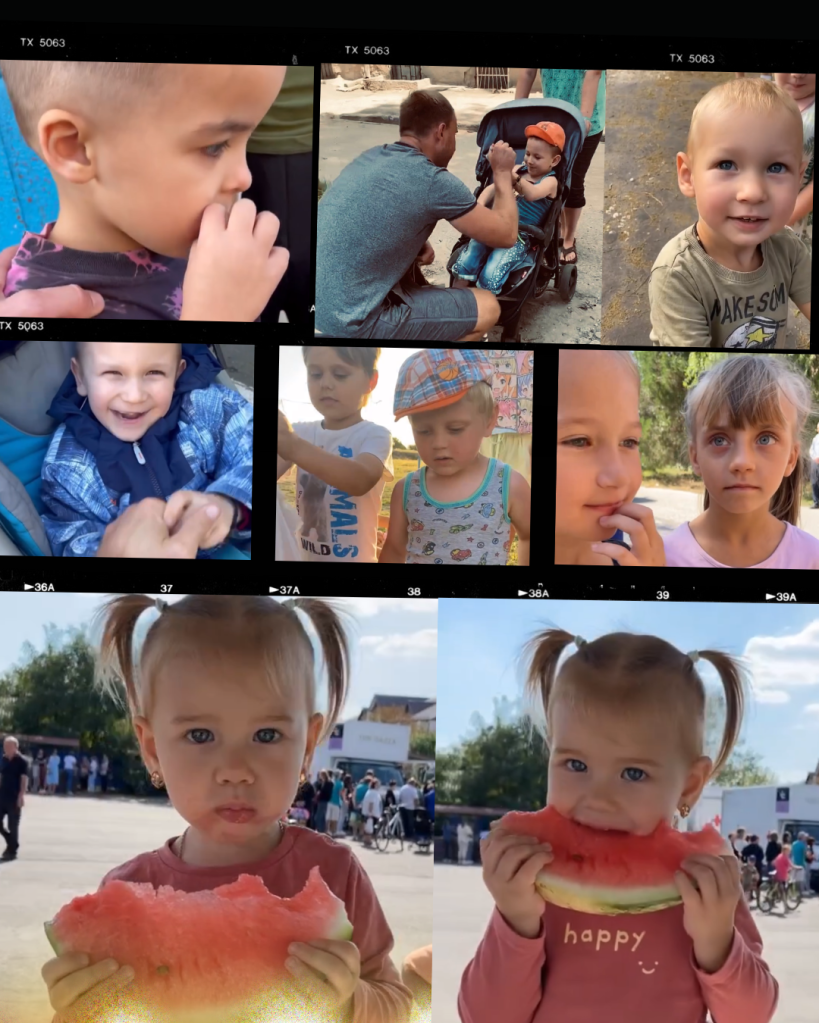
After the liberation of Kherson, he drove miles daily to distribute food, water, and medication to those surviving on the bare minimum. He also helped military units buy drones.
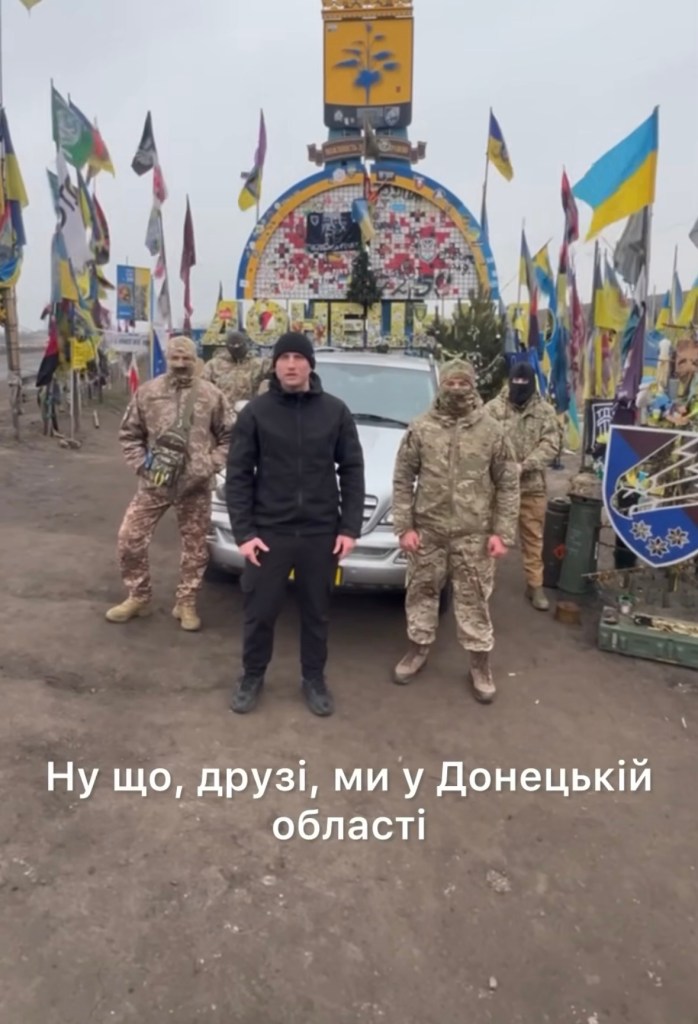
When Russia blew up the Kakhovka Dam, flooding large areas of Kherson, Andry and his friends were some of the first to jump into civilian boats, rescuing people and animals—under Russian shelling.
Evacuations in the Red Zone
In recent months, Kherson has come under even heavier Russian fire.
There is also plenty of grotesque evidence of Russian hunting civilians with drones in the areas of the region that Russia still occupies, shooting at everything that moves, including ambulances & evacuees, in what has been called a “human safari”. They use them as target practice, and in several Russian telegram channels, videos from these drones dropping munitions on civilians are posted by the Russians as they brag about the success of their war crimes.
Then there’s the constant bombardments of russian Missiles and UAV drones that have turned entire neighborhoods unlivable, where you won’t see a single building without damage. The streets are flooded with wreckages of cars that Russia has hit. Some burned til there’s nothing but scrap metal.
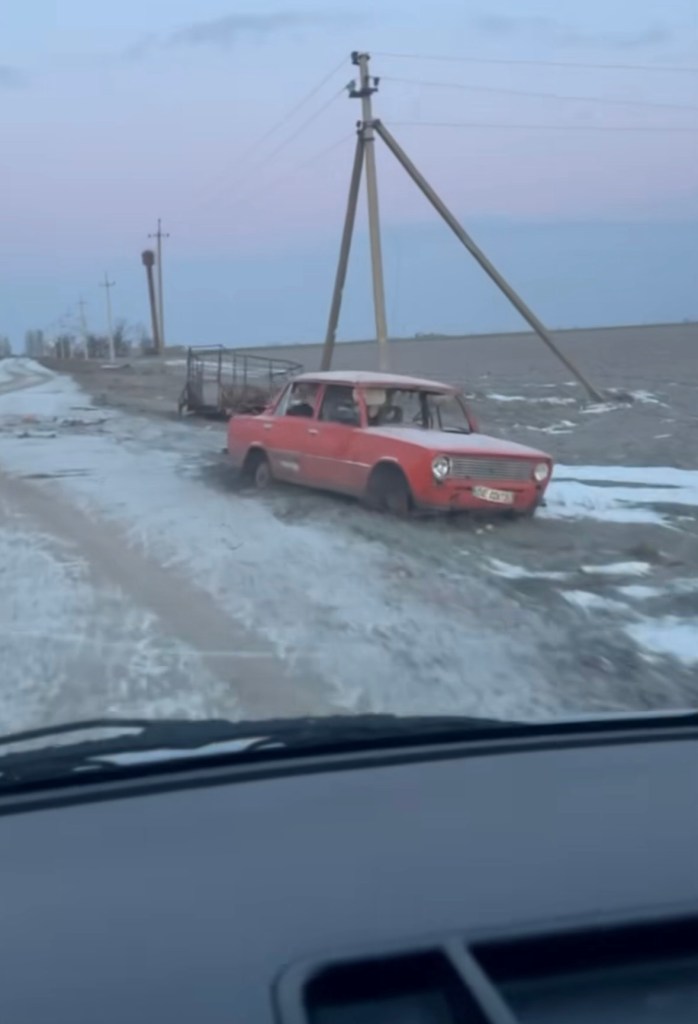
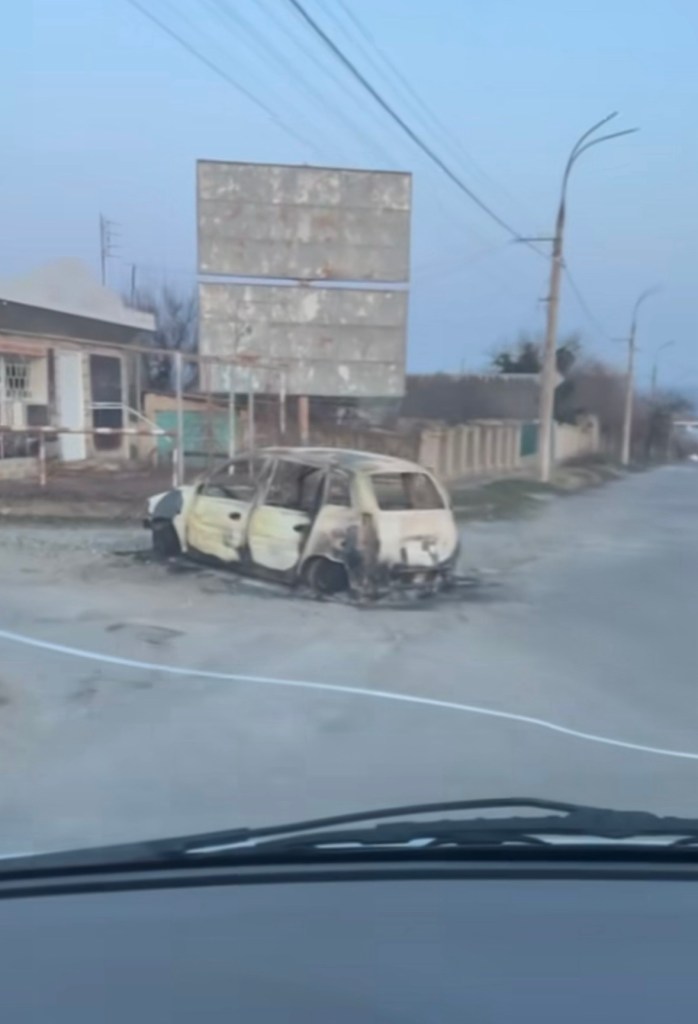
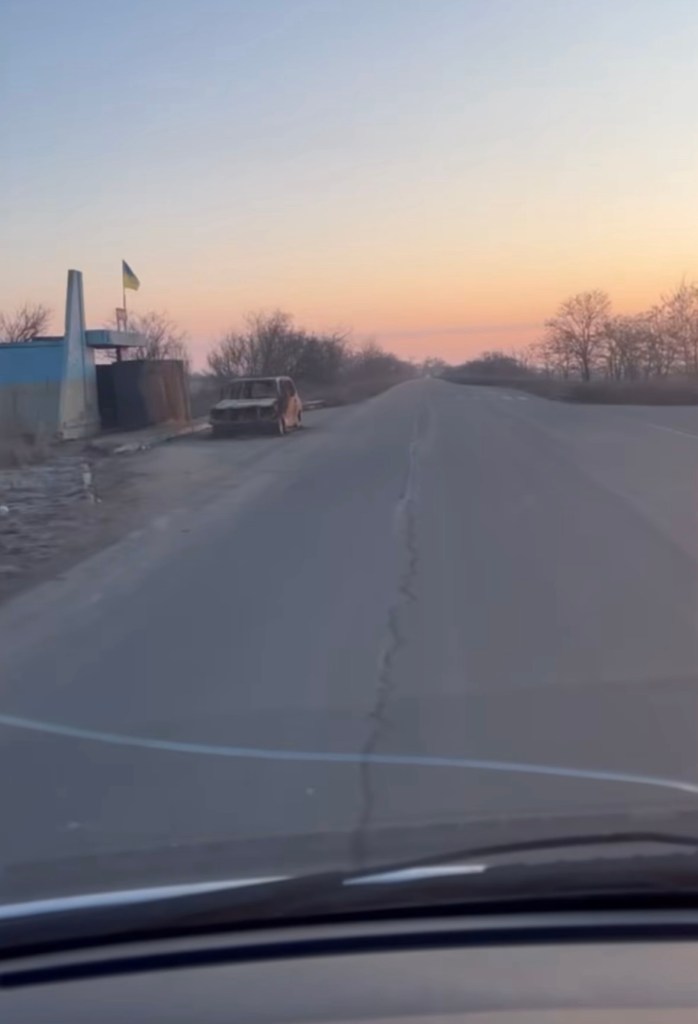

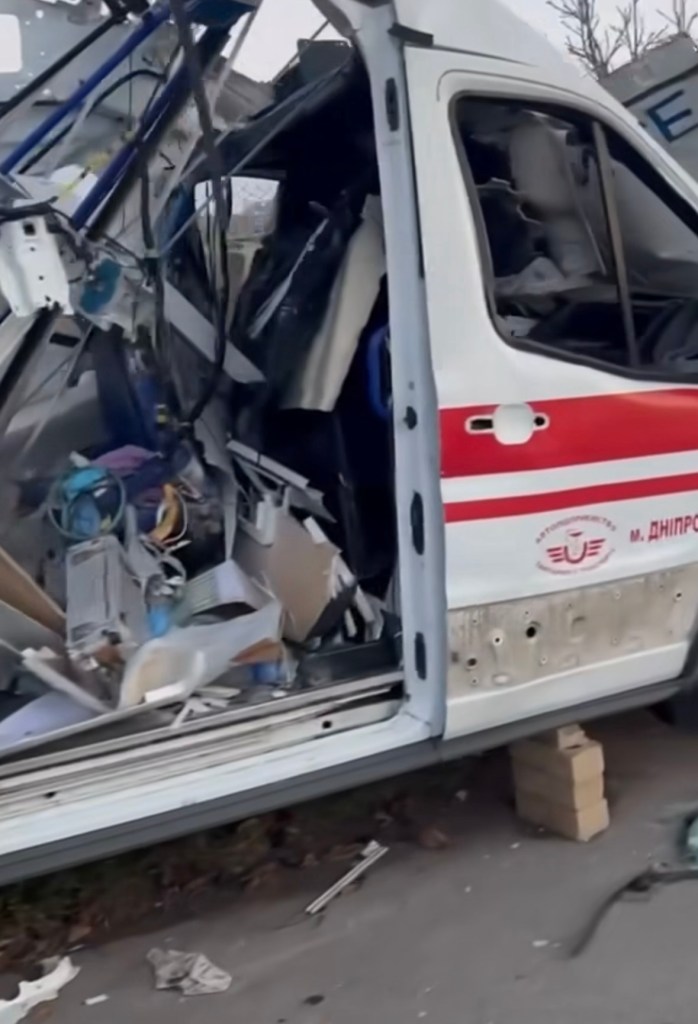
Andry’s latest mission has been evacuating civilians from the Red Zone—the most dangerous areas, where families are still trapped.
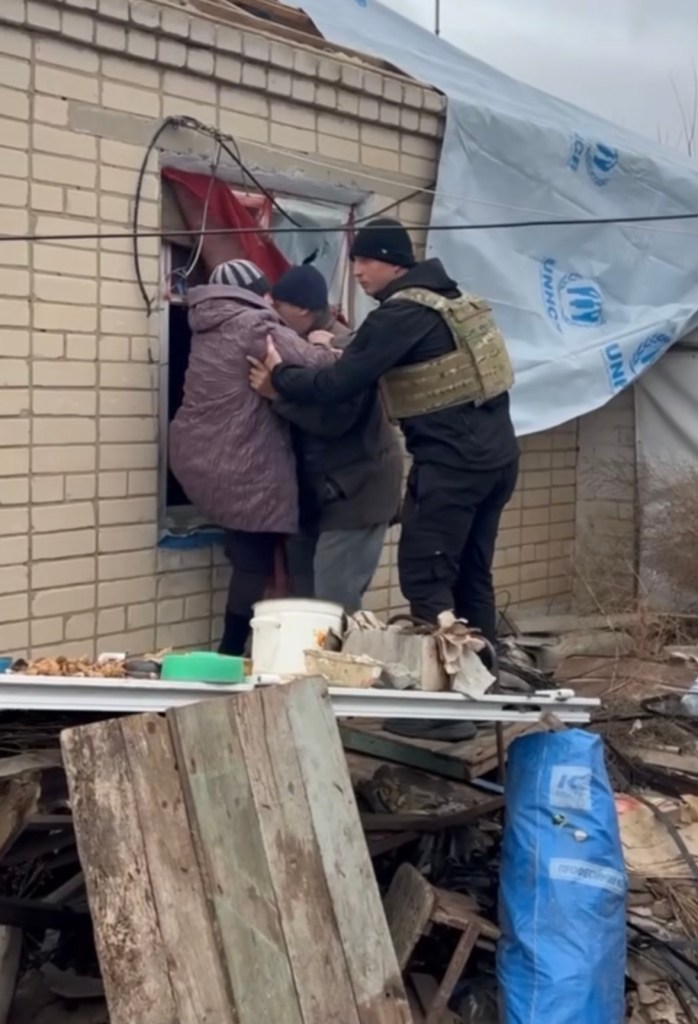
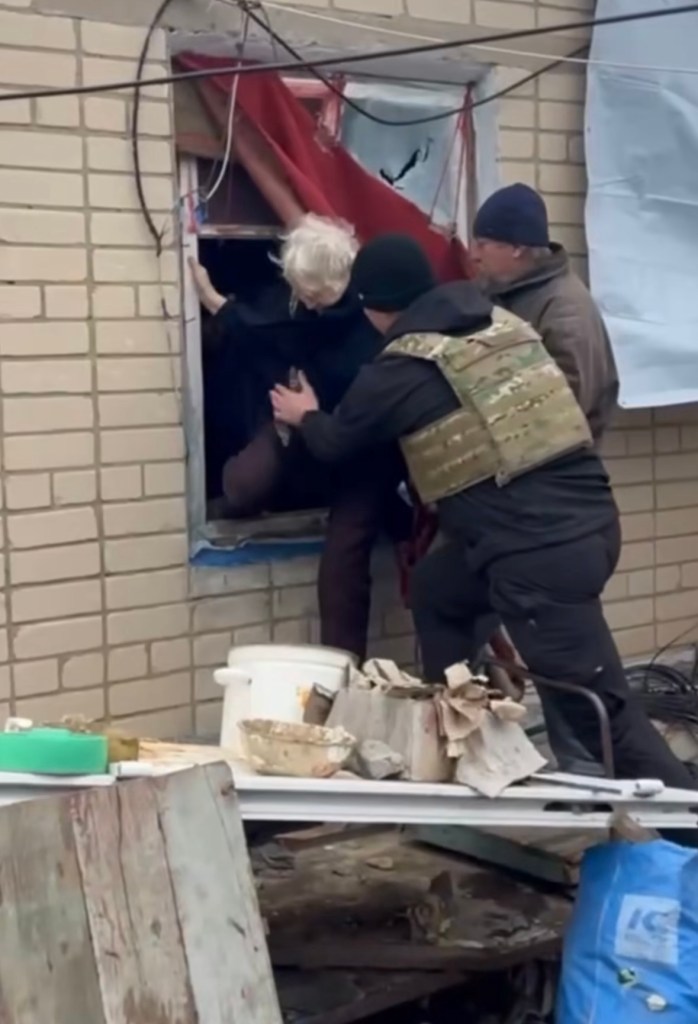
But leaving isn’t easy. Many have nowhere to go. No family outside of Kherson. No money to rent a new place. Many are caretakers for elderly or disabled relatives. Some children only have a grandparent left. And leaving means accepting that they might never return.
This is their home. Their entire life. And some will never be able to come back.

Andry can’t safely post these stories like he used to. It puts him and the people he helps at risk. But today, he posted a video after a successful evacuation from Stanislav, a city now deep in the Red Zone.
The Evacuation That Broke Me
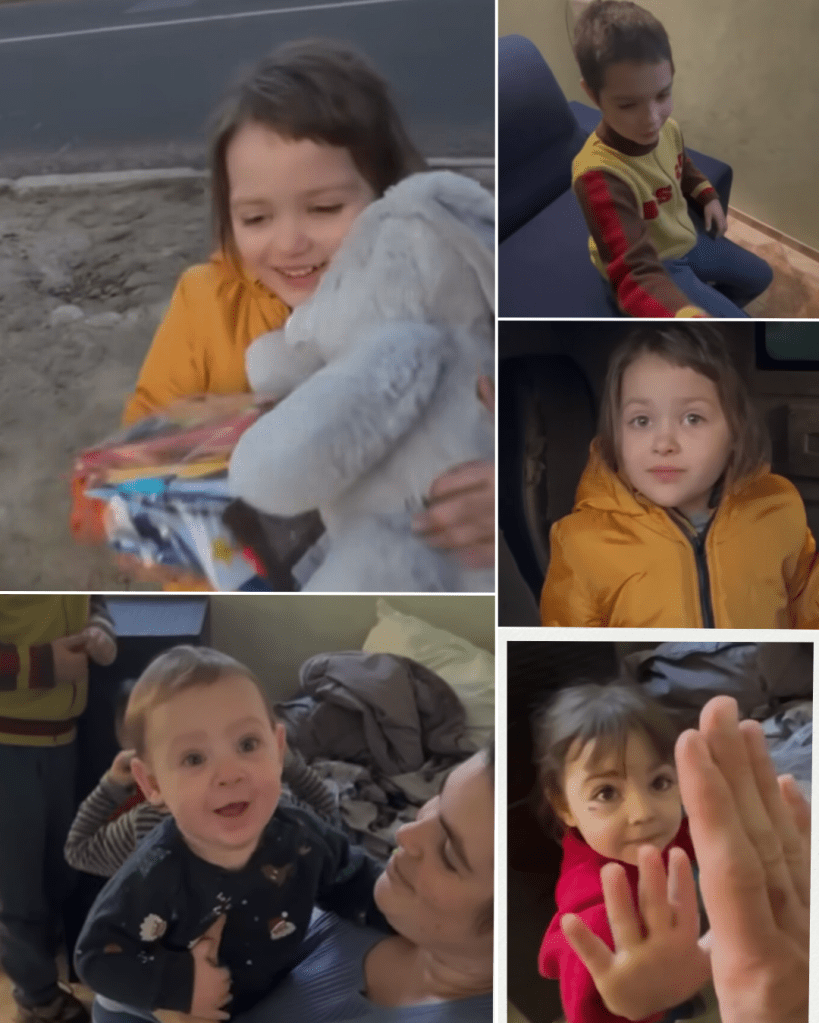
Four young children and their mother.
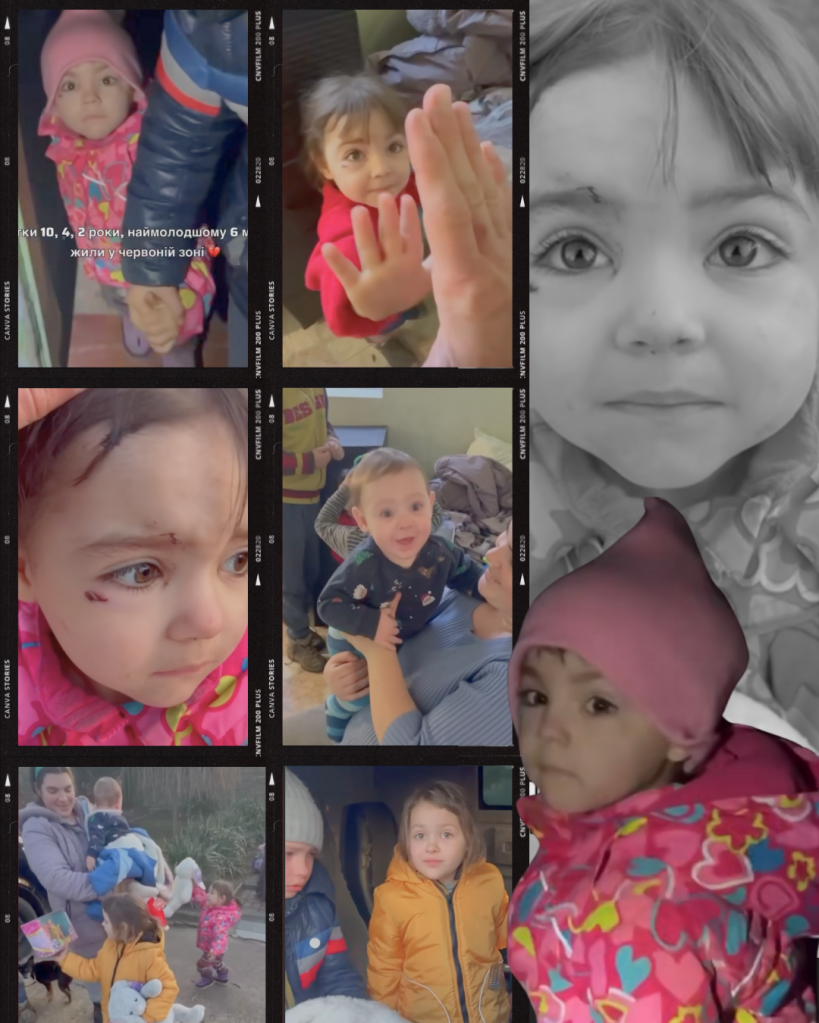
The youngest, Boghdan, is only 6 months old. His mother, struggling with mobility issues after birth, had clung to hope that their home would remain safe. The oldest child, Anton, is 10 years old. Slava is 4. Little Anna is 2.
I need the world to understand what is at stake.
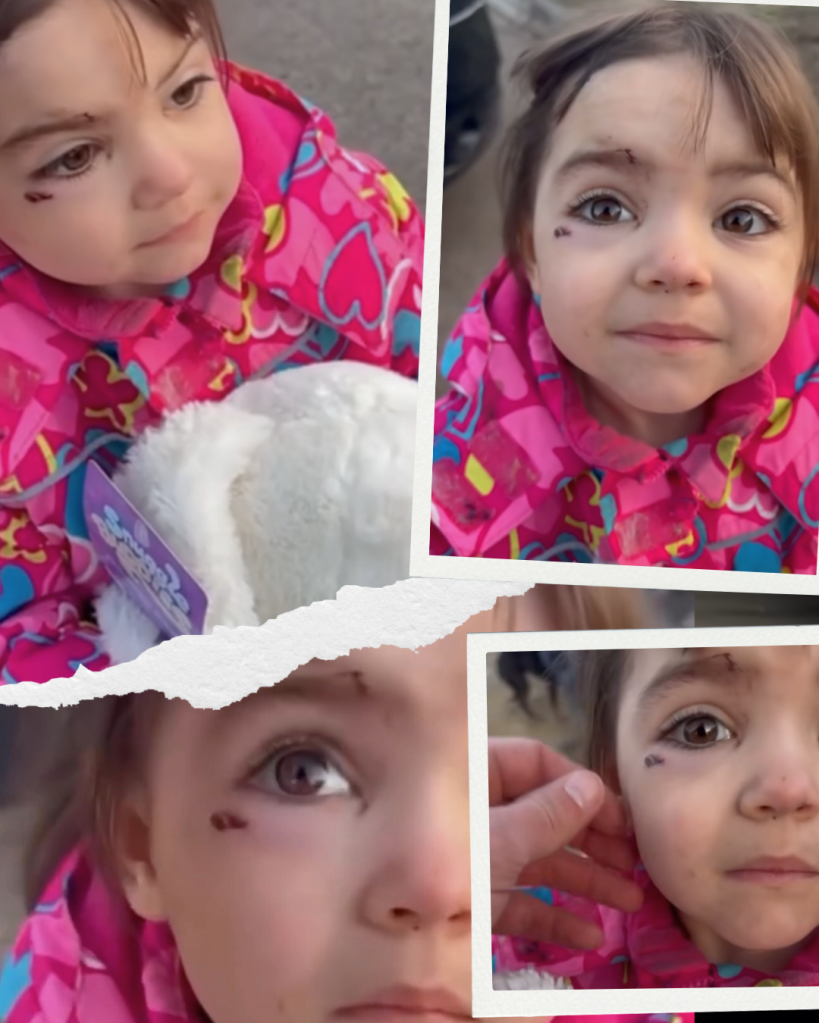
These children have already suffered so much. Anna has cuts on her face from a Russian drone strike on their home. That attack finally convinced their mother to leave.
Their home was no longer a home—it had become a death trap.
Andry wrote:
“This family should never have been in the Red Zone. Thank God luck accompanied us because this was truly the evacuation I’ve been most worried about. We were carrying little children through hellfire. Not all parents have the opportunity to take their children away from war; that’s why childhood in a frontline city like Kherson is like this. This hurts to watch, but this is reality. I really wish children didn’t know such grief and fear. Thankfully, everything worked out. The family will go on to relatives. May they prosper on a safer journey ahead.”
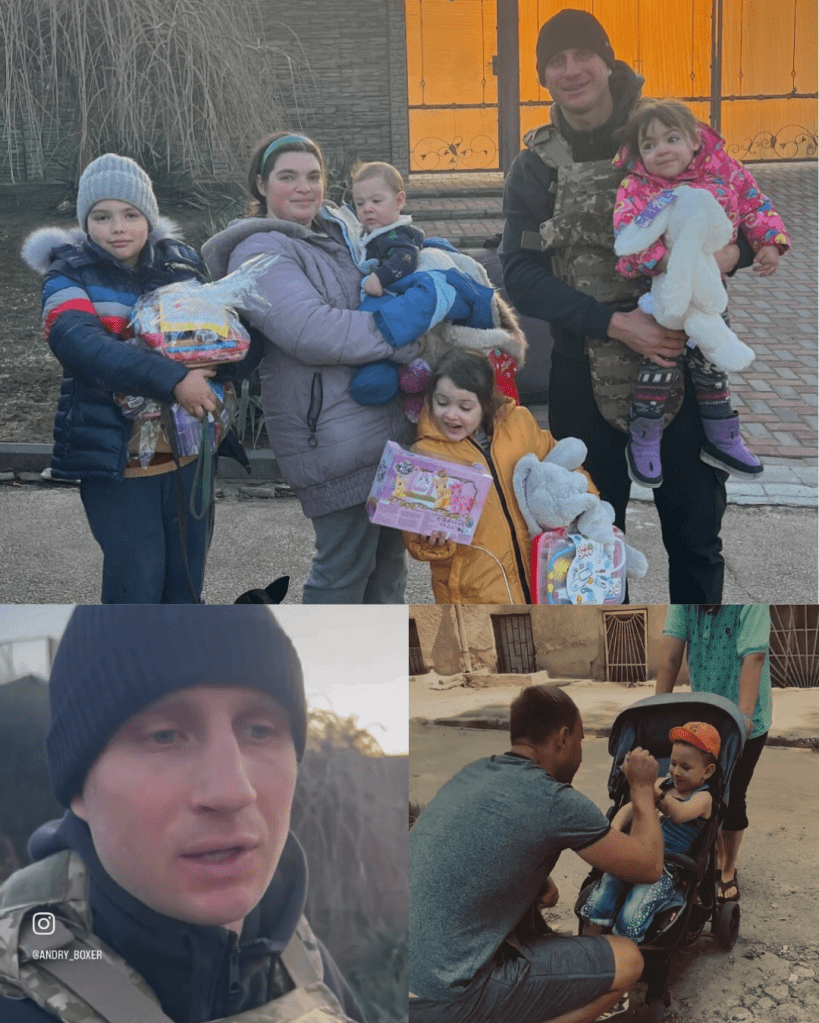
When I saw this video, I completely lost it.
First, a deep sigh of relief and appreciation. Then, a heartbreak so intense it felt like my chest cracked open, the pieces cutting through my body.
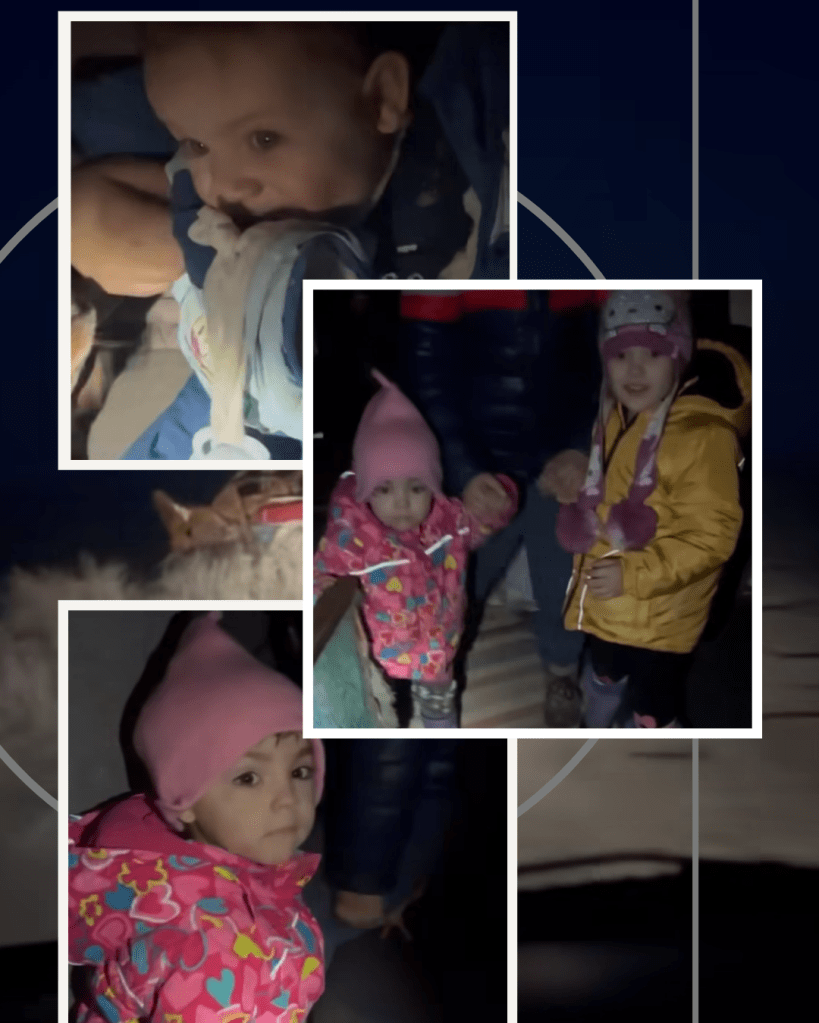
Anton, holding his two little sisters’ hands, leading them into the evacuation van. Their tired faces. Baby Boghdan clinging to his mother. Their overjoyed eyes when they received candy and toys after arriving at the refugee center.
A Plea to the World
I truly need as many people as possible to see this. I need for these stories to be shared around the world, to as many as possible. Because these are the people, these little children, these are the ones the world is betraying by stopping Ukrainian soldiers in their tracks while defending their country and protecting their people. Their families and loved ones.
Abandoning them means surrendering them into the arms of the Russian aggression, and we should not have to say or show people more of what Russians do to Ukrainians. It doesn’t matter if they are old, young, or infants.
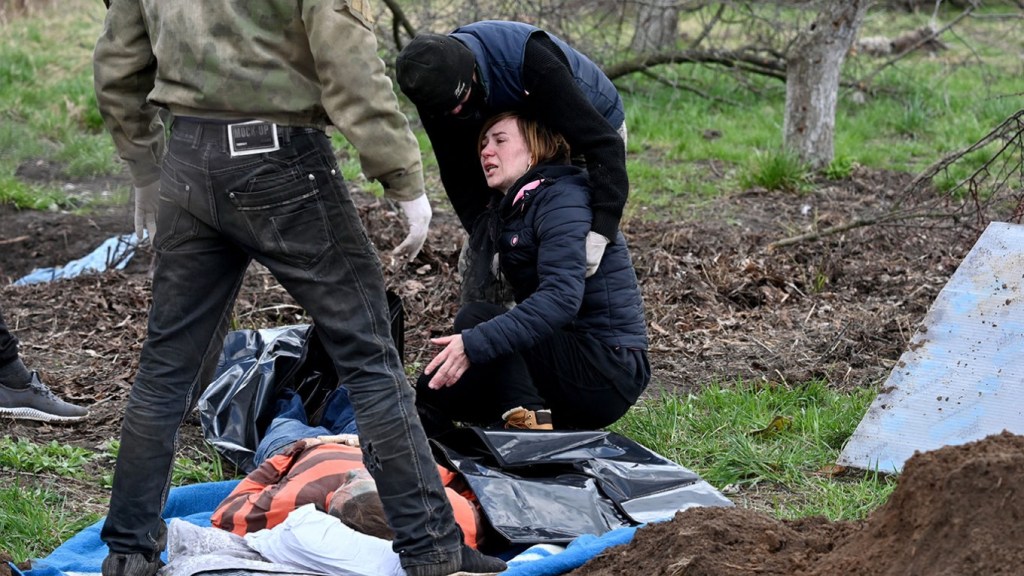
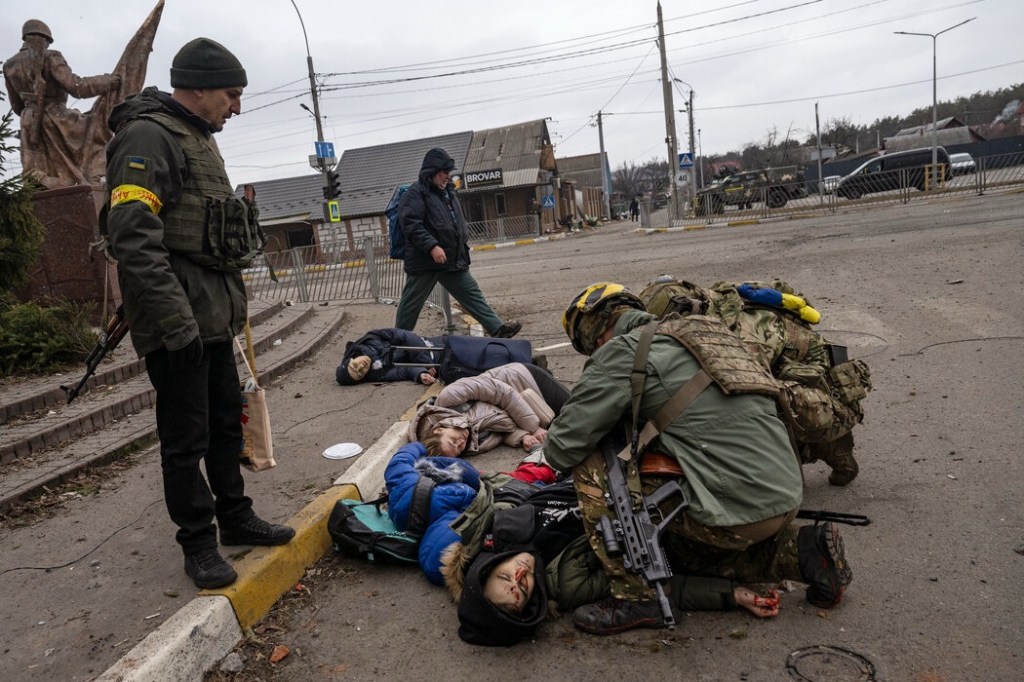
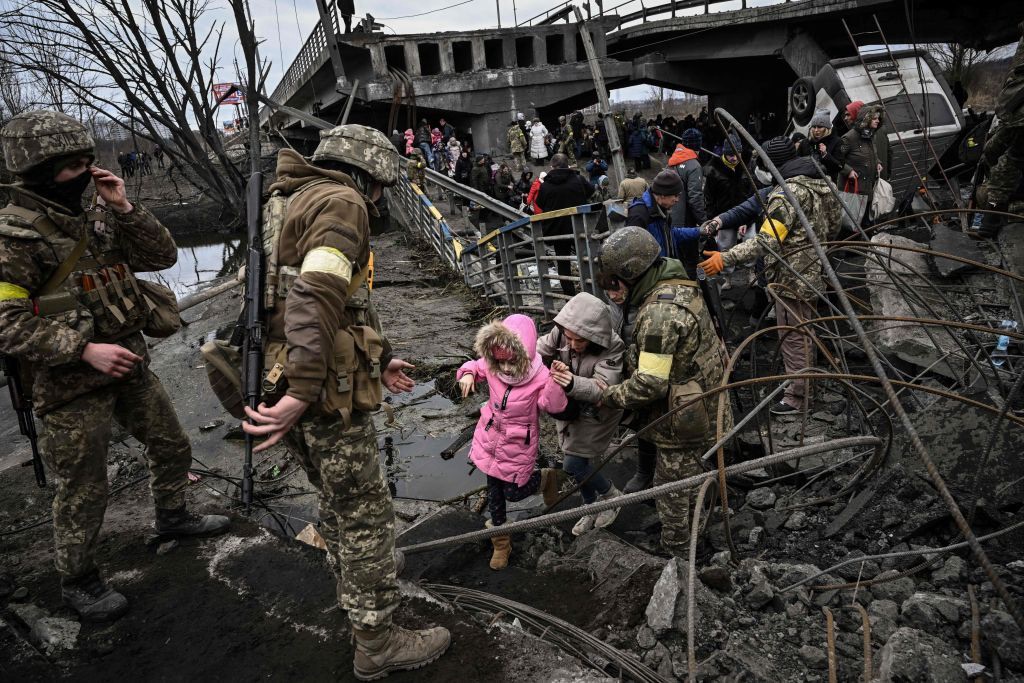
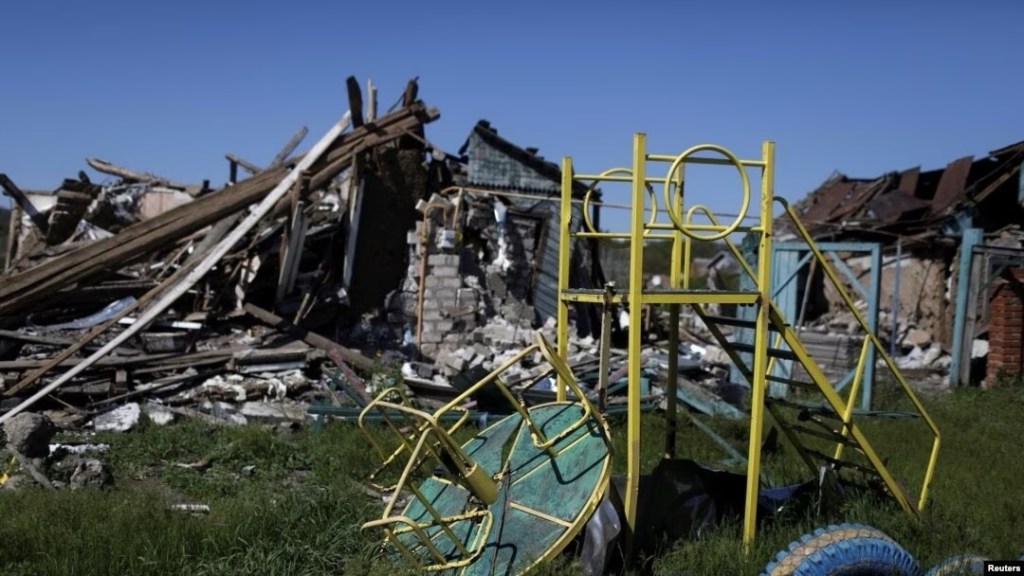
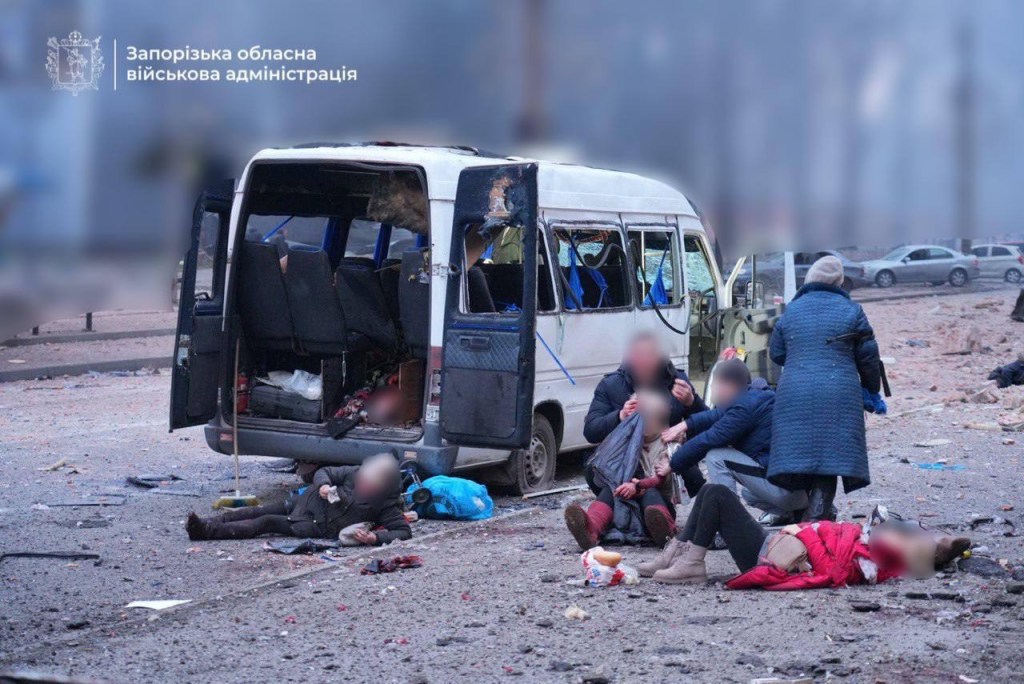
We’ve seen little kids next to their parents assassinated with their hands tied behind their backs.
Mass graves of families in all ages thrown together in a ditch.
Babies killed in their strollers.
Children covered in blood carried out from under the rubble of a hospital hit by a missile while they were receiving cancer treatment.
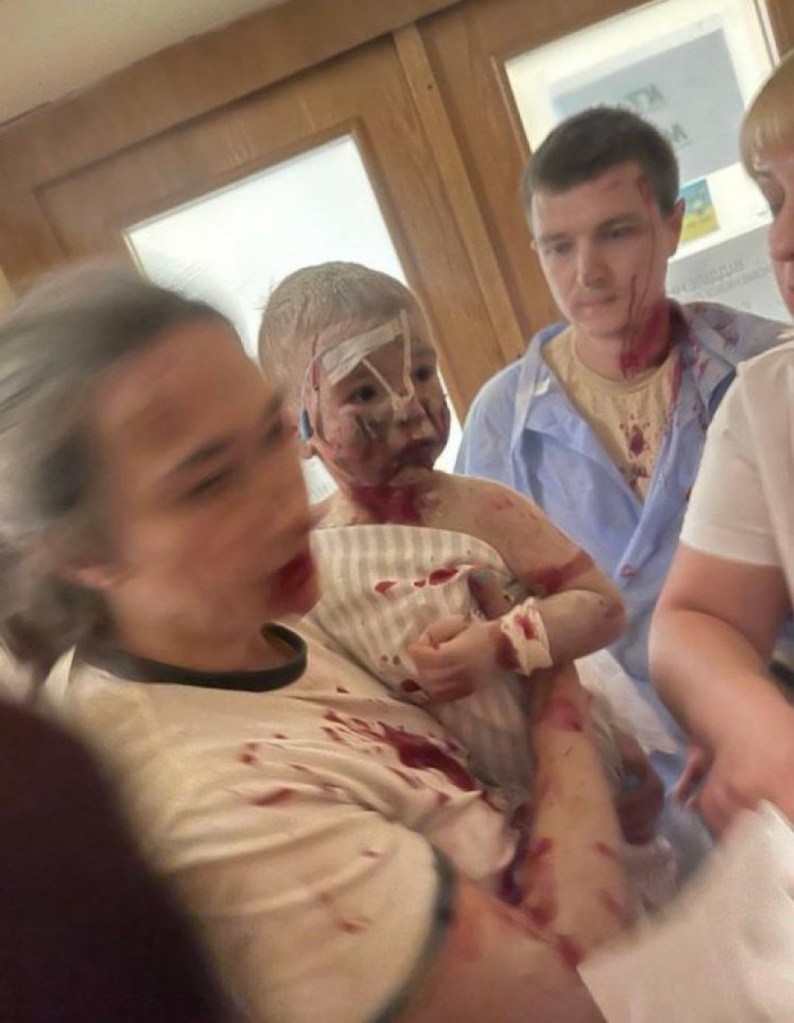
Stopping Ukrainian soldiers means abandoning these children. It means surrendering them to Russian aggression.
I beg you—do not let this be our legacy.
I beg you, as one, please don’t let this be our legacy.
I refuse to be the generation who turned their backs on the people fighting for their lives.
I refuse that we as one go down in history as those who sided with evil.
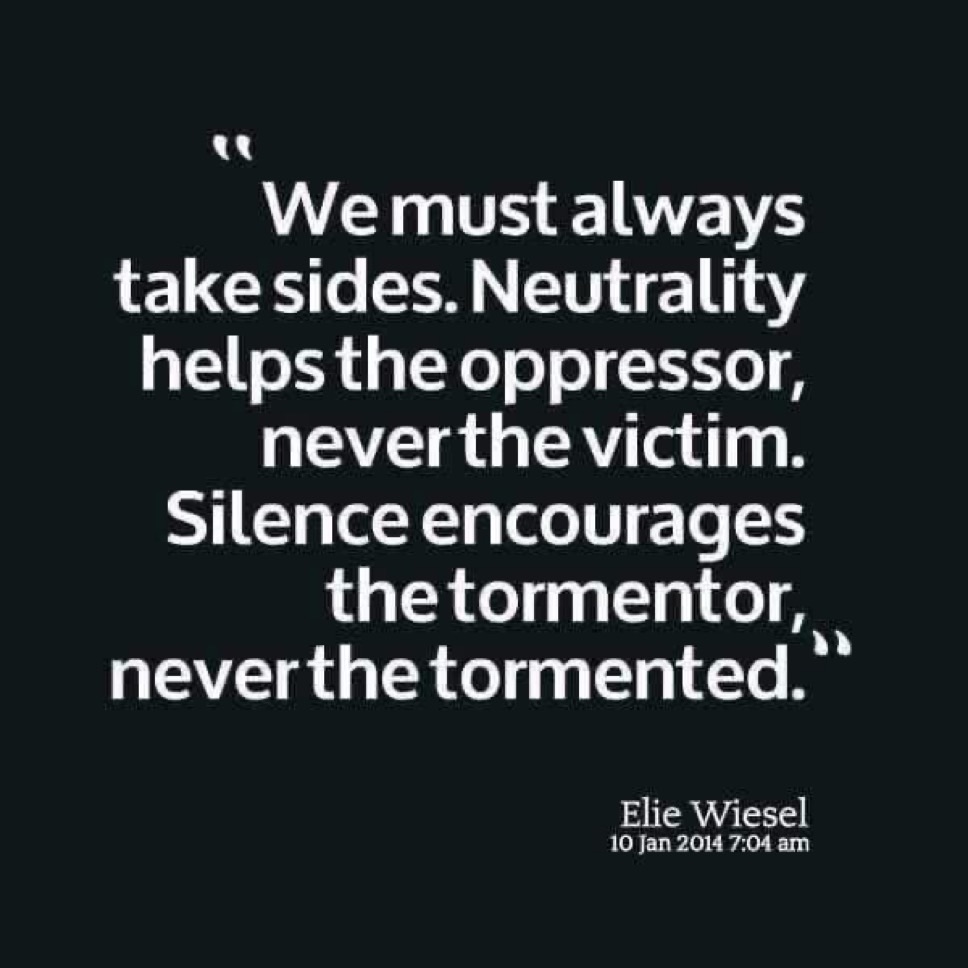
We have to go way beyond being a single individual standing with Ukraine. I will never allow Russia to steal, murder, and destroy this country, but it doesn’t matter what I as one person allow or not allow, or hope for or fight for, one person can’t stop russia. Just like one single individual cannot support Russia and make them win. And we have to go beyond a leadership and country. One administration can support Ukraine, but then another is also there to enable them.
It is the majority of everyone together that will write this history, and we need to do everything possible to reassemble and unite, do absolutely everything possible so that this time, we win.
So that humanity wins.
That it’s won’t be another “how did they all watch and let it happen”. Although the harsh reality is that we are already there. This is the last turning point.
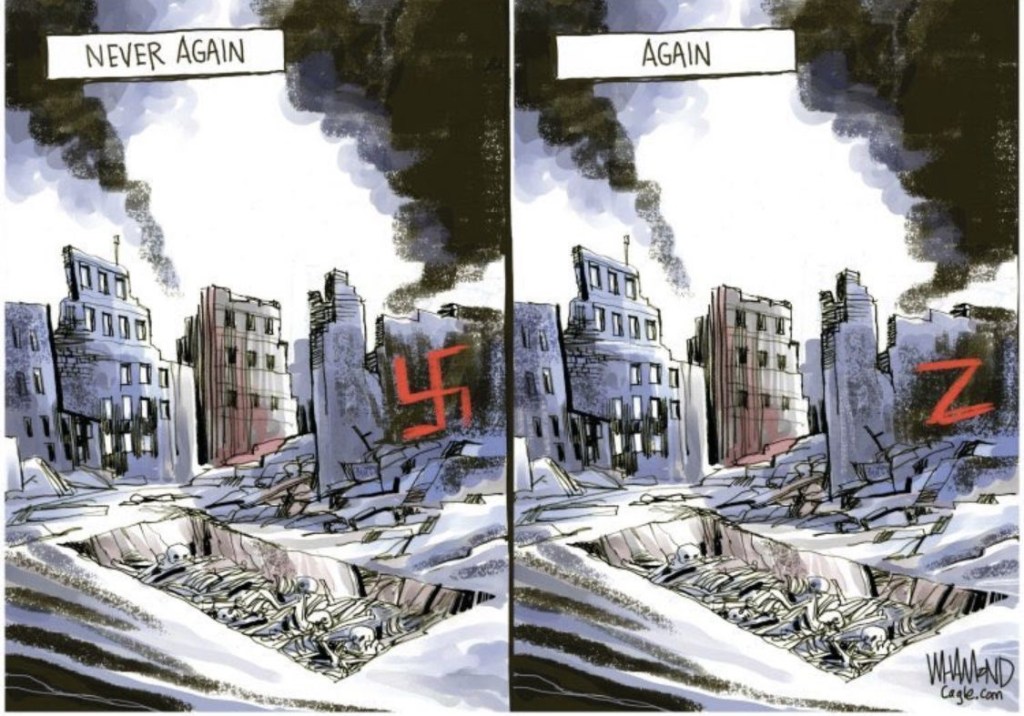
If it is hard for you to know where you should stand, then again, I beg of you; to just look at these children and find that piece of humanity within you and simply realize that whatever choice you make right now, the consequences of that choice fall on these children.
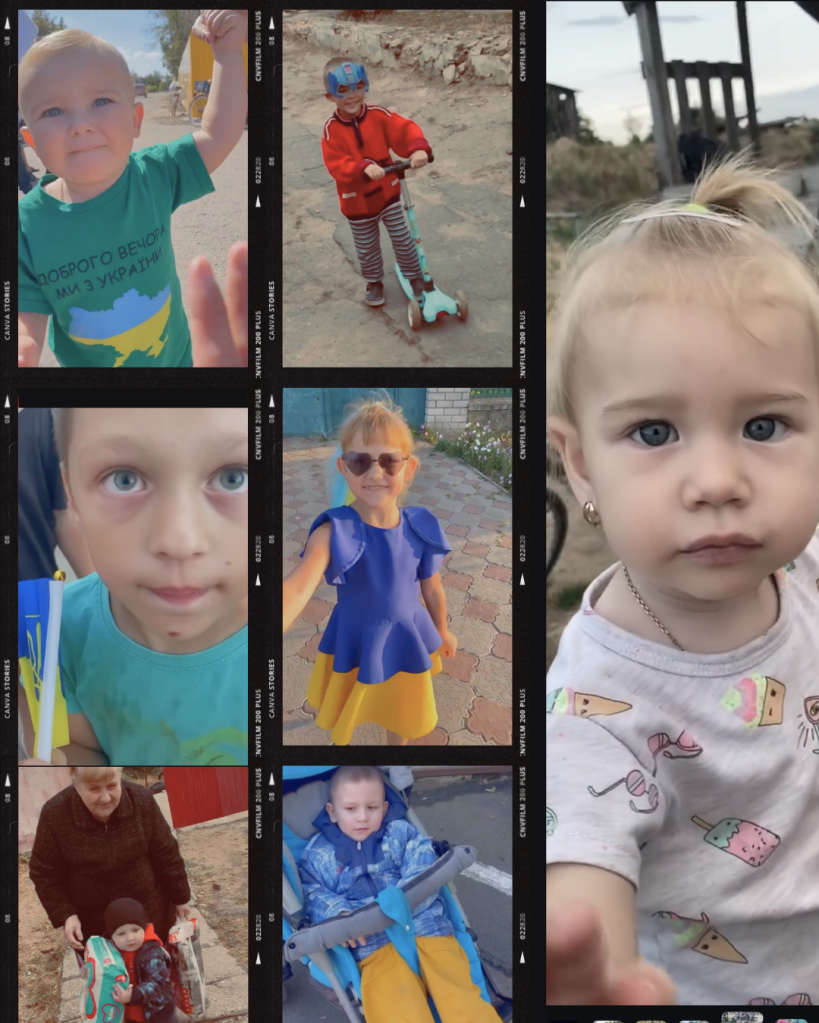
They deserve a safe home, in their country that their parents and grandparents built and fought for.
They deserve a peaceful life without war, without being hunted by Russian drones hovering over their playgrounds and schools.
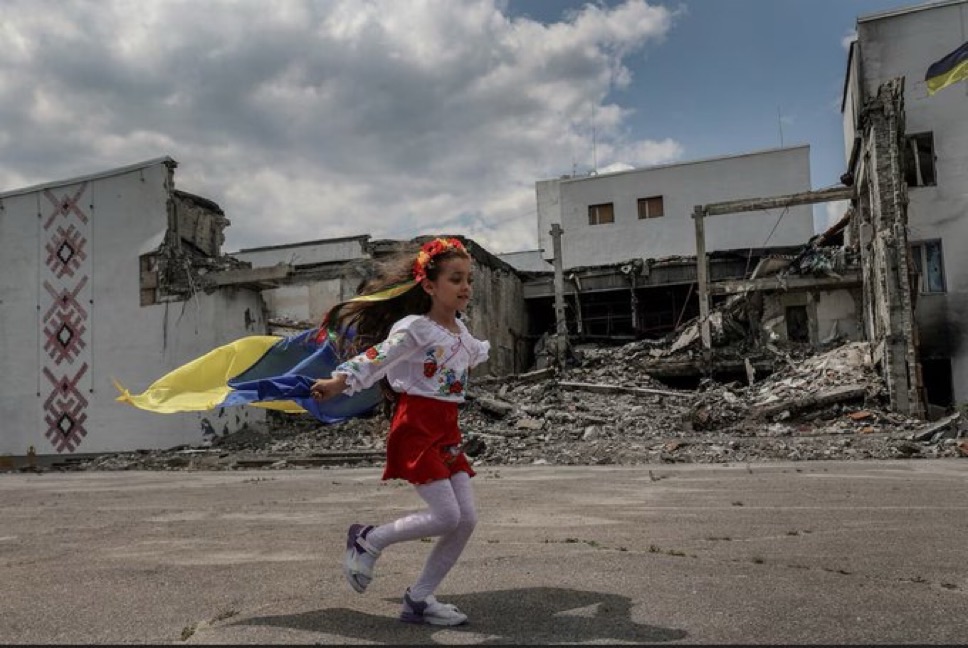
They deserve a happy and healthy future with their families where they eventually will grow and raise their own children without the fear of Russia invading their homes and turning the world around them into rubble and ashes
Supporting Ukraine cannot be a question of politics or convenience. It is a question of humanity.
And for us to save it, we have to stand together and stop what is currently destroying it.
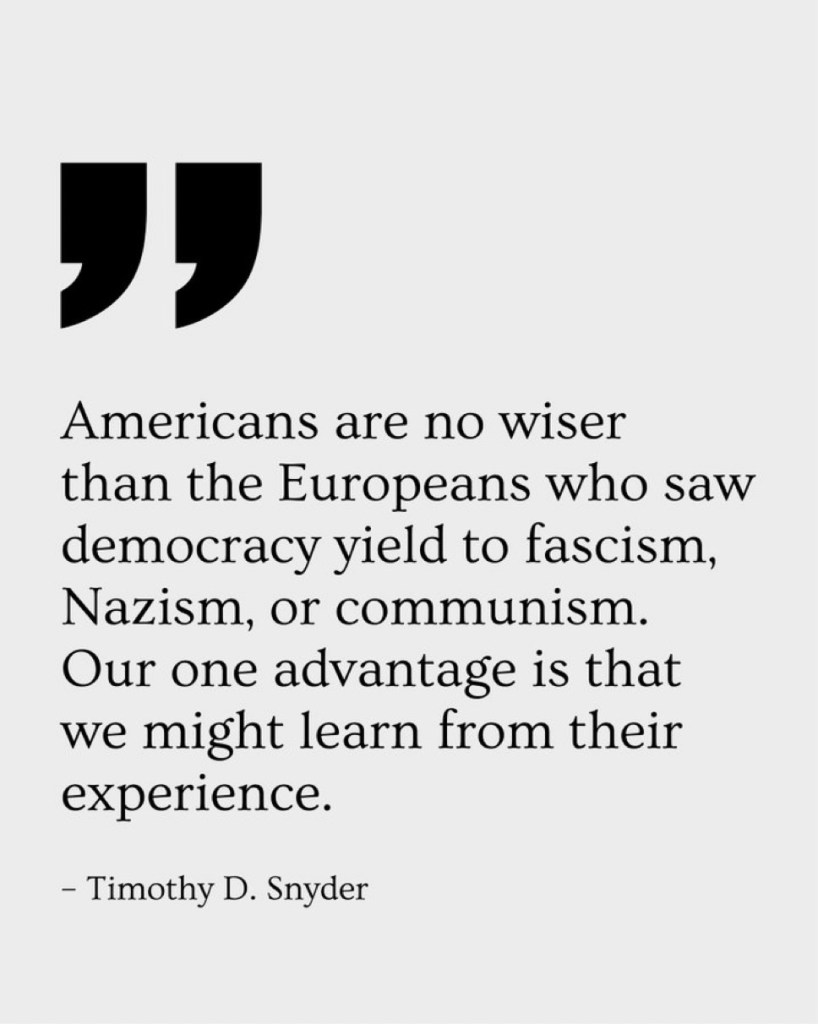

 Ine in Ukraine
Thank you for posting something so deeply emotional.
Until Ukraine’s peace is realized, how can I help?
Do you need help? Your profession shines through in your work, and I would be happy to support it. What do you personally need to extend its reach and impact?
How does Andry get support? Is there a charity/fund supporting him and others like him?
For better or worse, I trust your feedback because I exchanged messages with you on Threads after you returned from the wildfires and were questioning how we got from Regan to wtf this is.
Would love to hear back.
LikeLike