
Sanctions were supposed to cripple Russia’s economy, cut off its ability to finance the war against Ukraine, and pressure the Kremlin into compliance. Instead, Russia has found countless ways to sidestep restrictions, ensuring a steady flow of revenue while undermining Western efforts.
From shadow fleets transporting sanctioned oil to front companies purchasing Western technology for Russian missiles, these loopholes expose serious weaknesses in global enforcement. So how does Russia continue to evade sanctions, and why isn’t the West doing more to stop it?
The Shadow Fleet: Russia’s Ghost Armada
One of the most effective tools in Russia’s sanctions-evasion playbook is the shadow fleet—a collection of hundreds of aging oil tankers operating under fake ownership records and deceptive practices.

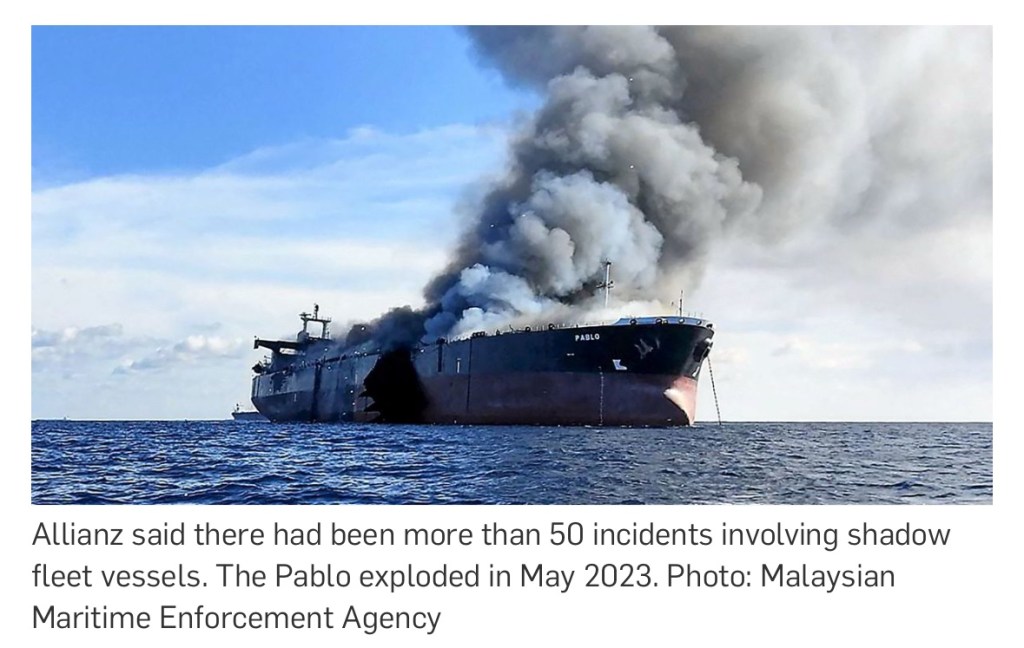

These vessels employ various methods to disguise the origin of Russian crude, including:
• Turning off transponders (Automatic Identification Systems) to avoid tracking
• Falsifying paperwork to show non-Russian origins
• Conducting ship-to-ship transfers in international waters, making it harder to trace cargo
• Using old, untraceable vessels purchased from Western firms through shell companies
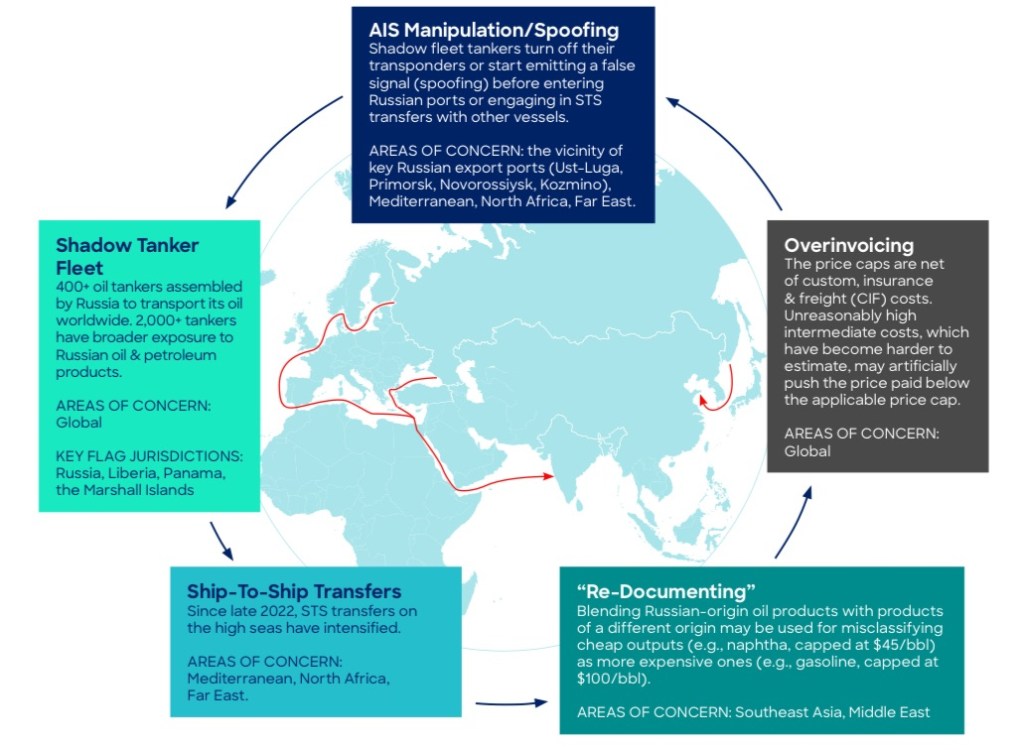
The sheer scale of this operation is staggering. Since the full-scale invasion of Ukraine, Russian oil exports have not collapsed—instead, they continue to generate billions, fueling the Kremlin’s war machine. The US and its allies are aware of these tactics, yet enforcement remains weak. Why?
Front Companies & Loopholes: A Global Network of Sanctions Evasion
If a sanctioned Russian business disappears, it often re-emerges under a different name in a different country. Russian firms and oligarchs have found creative ways to continue operating, particularly in jurisdictions with lax oversight.
Common evasion techniques include:
• Re-registering companies under new names in “neutral” countries like Turkey, the UAE, or Serbia
• Using intermediary buyers in Kazakhstan and China to purchase Western-made goods and then re-export them to Russia
• Establishing supply chain detours to smuggle restricted products into Russia via third-party nations
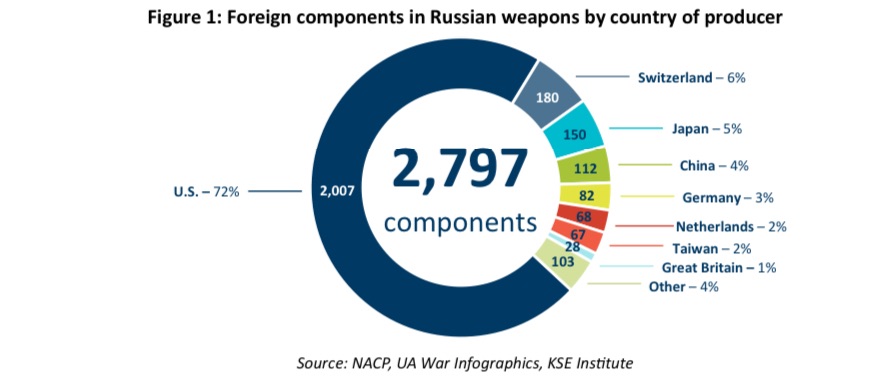
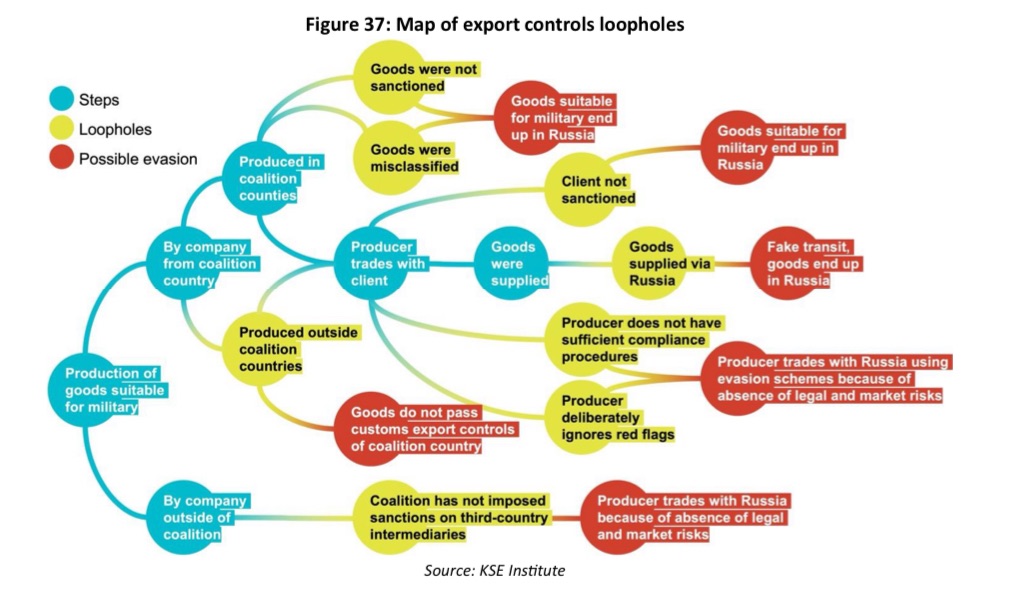
Despite sanctions on military-grade technology, Russia continues to receive Western-made microchips and industrial components—many of which have been found inside Russian missiles and drones used against Ukraine. How is this still happening? Because companies in Europe and the US often sell to “legal” buyers in China or the UAE, who then quietly resell them to Russia.
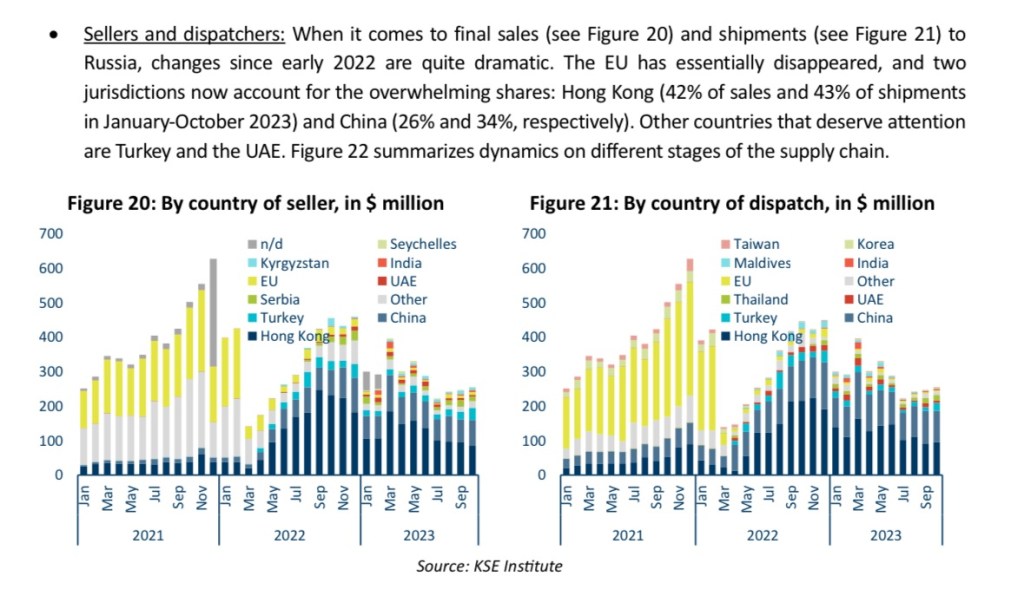
If the West were serious about enforcement, it would crack down on these intermediaries.
Gold Smuggling & Financial Laundering
Oil isn’t the only major source of Russian revenue—gold plays a crucial role as well. After Western nations banned Russian gold from international markets, Moscow turned to alternative buyers, particularly in the UAE.
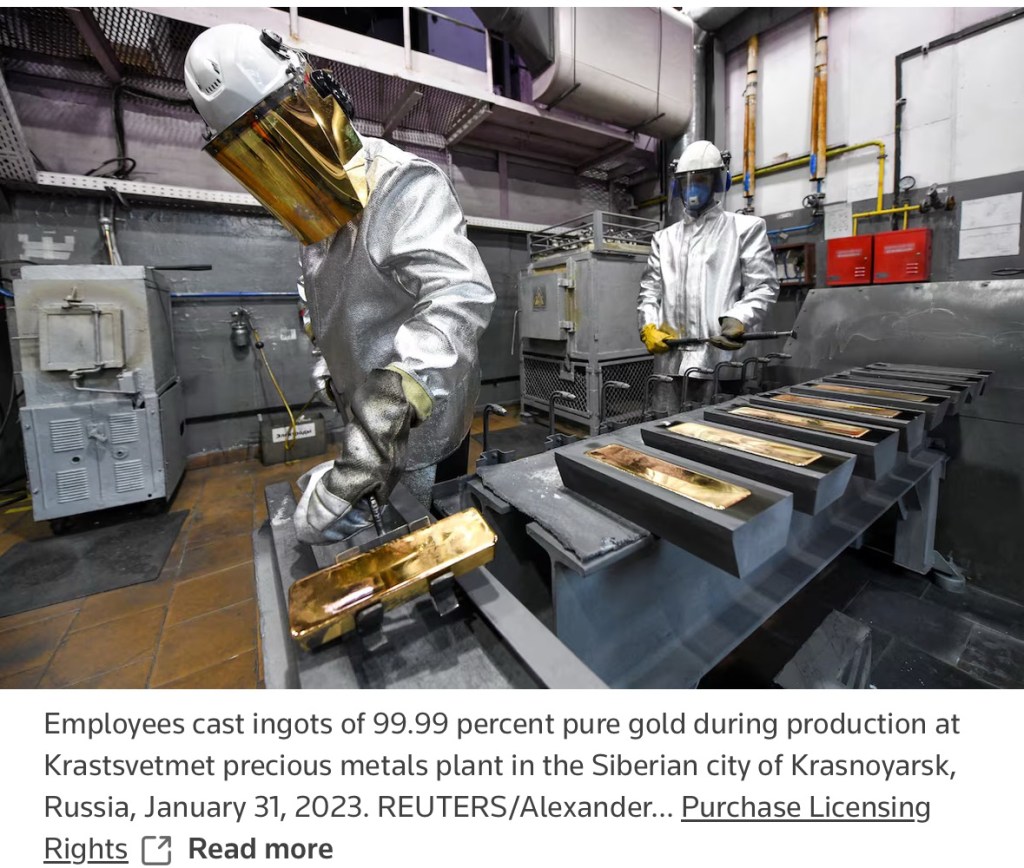
Russian gold is now being smuggled and laundered through Dubai, where it is mixed with non-sanctioned gold and resold into global markets. This allows Russian oligarchs and state-linked companies to bypass banking restrictions and convert gold into cash that can be used to finance the war.
Why hasn’t the West imposed tougher measures on gold buyers enabling this trade?
Russian Oil in… American Gas Tanks?
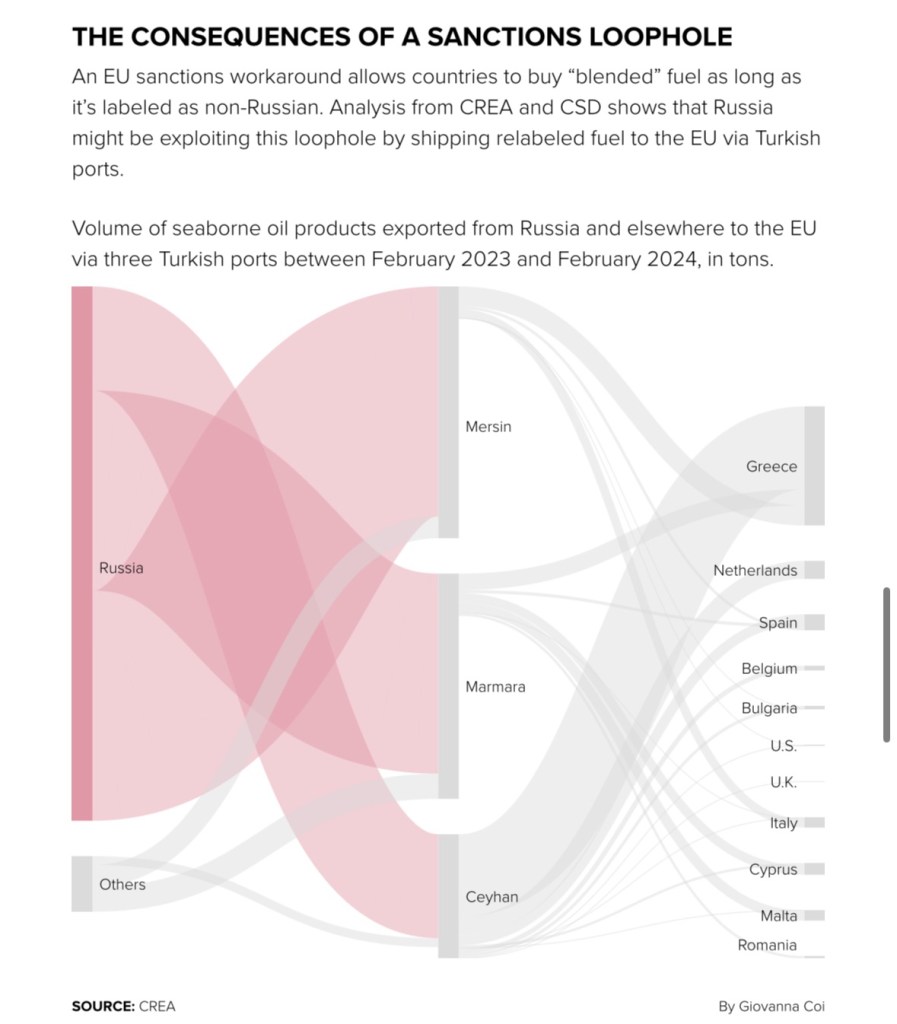
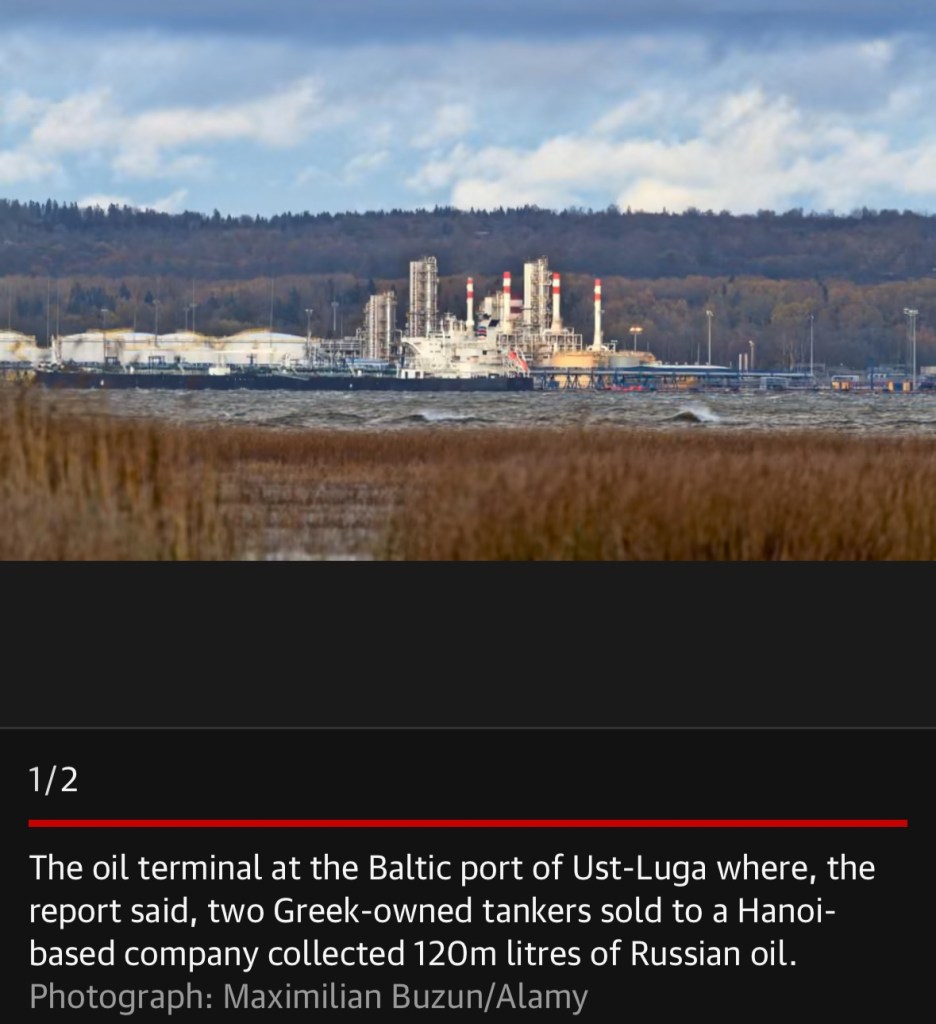
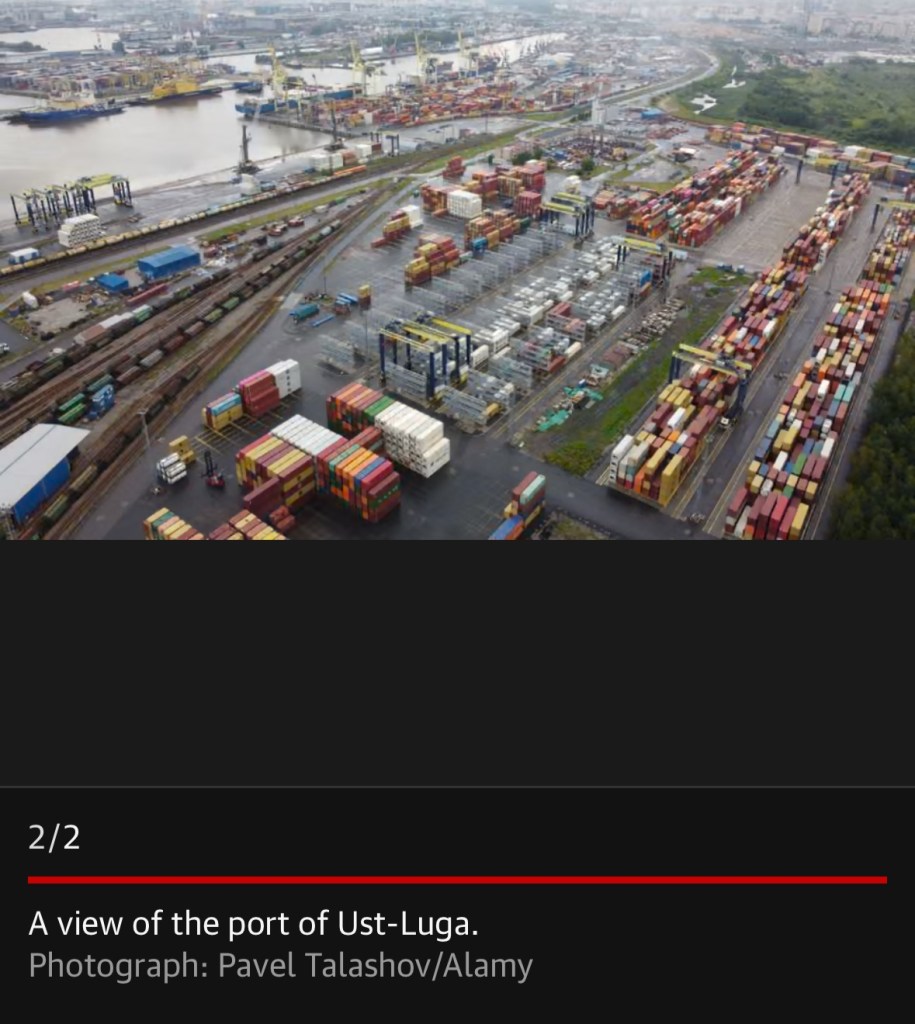
Sanctions on Russian crude oil were supposed to cut Russia off from Western energy markets. But while direct imports have been banned, Russian oil is still making its way into Western economies through a simple workaround: refining.
Here’s how it works:
• Russia sells crude oil to India and China
• These countries refine it into gasoline and diesel
• The refined products are then exported to the US and Europe
If your country imports fuel from India, there’s a good chance you’re still funding Russia’s war without even realizing it. This loophole exposes a fundamental flaw in the West’s approach—sanctions on crude mean little if refined products remain legal.
Banks & Crypto: The Financial Escape Route
Cutting Russian banks off from SWIFT was meant to isolate Moscow from the global financial system. Instead, Russia has strengthened financial ties with China, Iran, and the UAE, developing alternative banking systems to bypass Western restrictions.

In addition to state-backed financial networks, Russia also exploits cryptocurrency to move money undetected. Billions in Bitcoin and USDT (Tether) have been linked to Russian wallets, enabling cross-border transactions outside the reach of Western sanctions.
Western Tech Still Ends Up in Russian Missiles
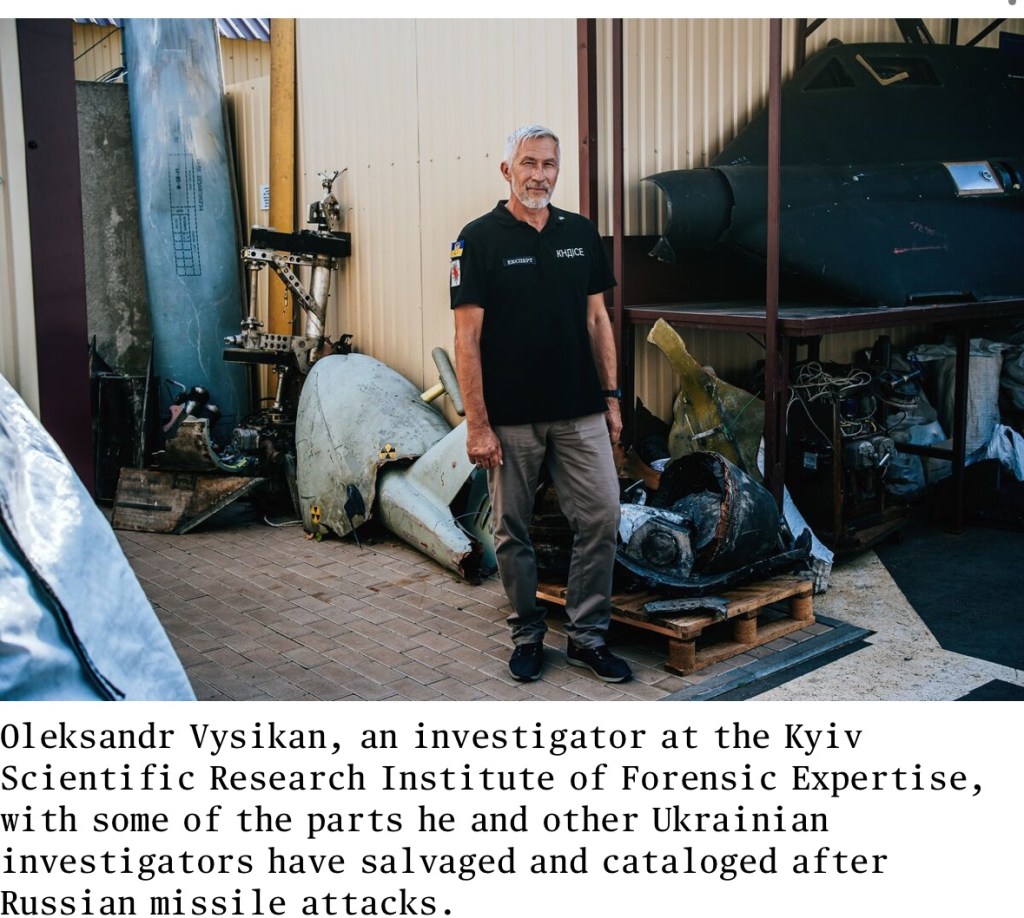
Despite restrictions, Russia continues to acquire Western-made components for its military industry. Ukrainian investigations into downed Russian drones and missiles frequently uncover recently manufactured chips from US and European companies.
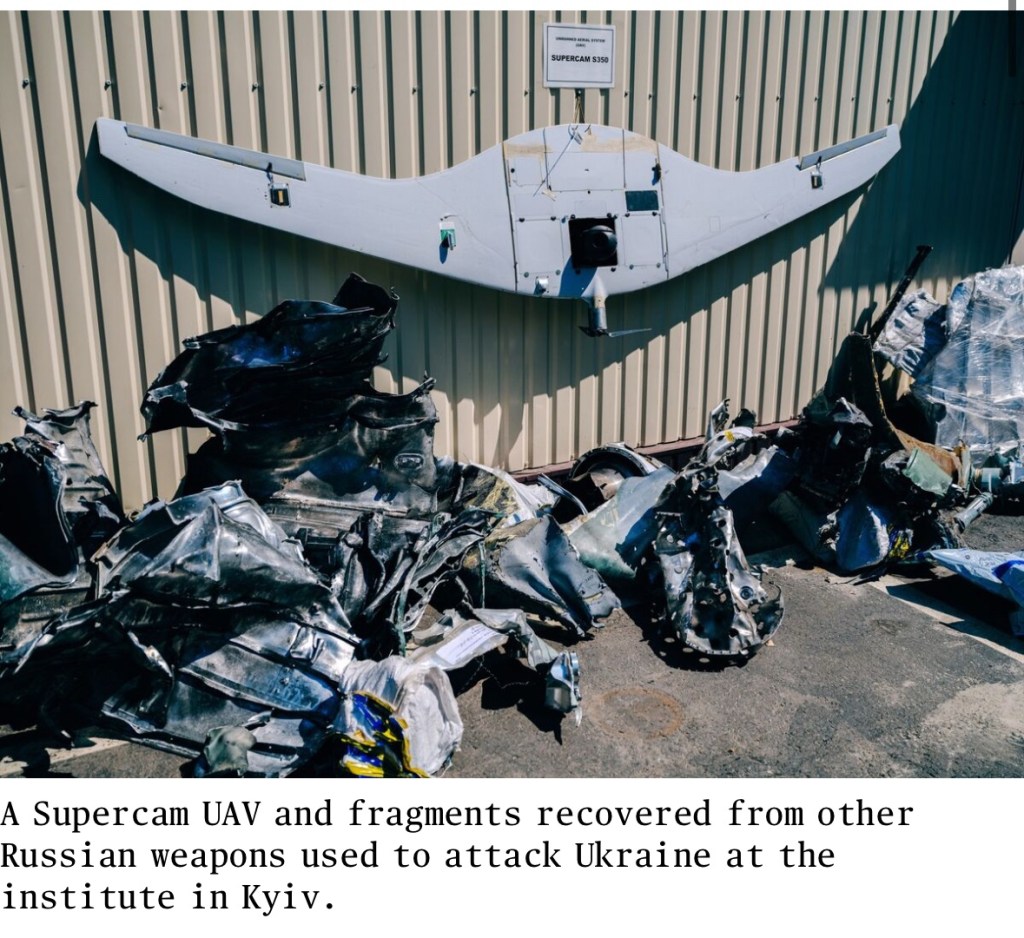
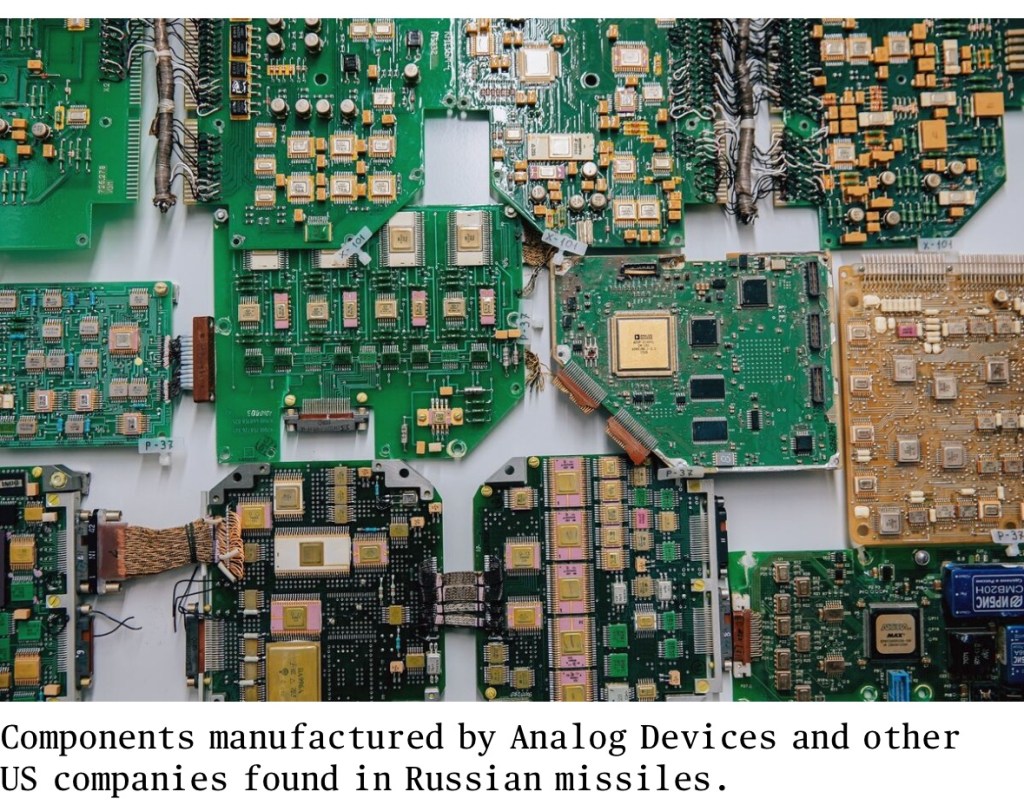
How does this happen?
• Components are first sold to “legitimate” buyers in neutral countries like China, Hong Kong, or Turkey
• These buyers then secretly resell them to Russian entities
• The components are used in weapons systems that target Ukrainian civilians
It’s not just a failure of sanctions—it’s a failure of willpower to shut down these networks.
Sanctions Mean Nothing Without Enforcement
Russia’s economy should have collapsed under the weight of sanctions. Instead, the Kremlin has adapted, exploiting Western weaknesses and capitalizing on global corruption. Today, Russia is:
✅ Selling oil above the price cap
✅ Buying Western goods through intermediaries
✅ Using crypto & alternative banking systems to move money
✅ Smuggling gold & laundering funds
✅ Still acquiring Western technology for its weapons
The result? Putin’s economy survives, and the war continues.
What Needs to Happen?
If the West is serious about stopping Russia’s war machine, it must take stronger action:
• Seize and disable the shadow fleet to prevent illegal oil exports
• Crack down on intermediaries in China, Turkey, and the UAE that facilitate sanctions evasion
• Ban imports of refined Russian oil products, not just crude
• Enforce secondary sanctions on companies aiding Russia
• Increase financial surveillance on crypto transactions linked to Russia
• Target gold laundering operations in Dubai and beyond

Why Isn’t the West Doing More?
The big question remains: Why isn’t the West enforcing these sanctions effectively?
• Is it complacency?
• Is it fear of economic fallout?
• Or is it something more sinister, like backroom deals and quiet compromises?
One thing is clear: every loophole left open allows Russia to continue funding its war. The cost of inaction is paid in Ukrainian lives.
Conclusion
Sanctions without enforcement are just political theater. Russia’s ability to evade restrictions proves that Western governments are not doing enough. Unless real action is taken—targeting shadow fleets, cutting off intermediaries, and closing financial loopholes—Putin will continue to finance his war with minimal consequences.
The world must demand better.
If you found this article informative, share it. The more people know, the harder it becomes to ignore.
- The IOC Want To Silence Their Memory, So We Will Say Their Names Even Louder
 📰 The decision of the IOC to ban the helmet of Olympian Vladyslav Heraskevych, honoring Ukrainian athletes killed by Russia, can only be countered in one way: See their faces, learn their names, and share it with the world! If they want to silence their memory, we will say their names even louder!🇺🇦
 - The Stolen Ukrainian Children: The russian War Crime Of Erasing Generations
 Russia has abducted over 19,000 Ukrainian children, forcibly transferring them across 57 regions, including North Korea. New UN testimony exposes torture, indoctrination, illegal adoption, and militarization. This investigation explains the system, the evidence, and the global fight to bring Ukraine’s children home. The world must not stay silent! Read the full story 👇🏼 #BringKidsBackUA
 - The Witkoff File: Three Decades of russian Cash, One Kremlin “Peace Plan.”
 Steve Witkoff, Trump, and the Three-Decade Pipeline of russian Influence Behind the New “Peace Plan” A deep investigative dive into Steve Witkoff’s long-standing ties to russian money networks, his role in Trump’s Kremlin-aligned Ukraine “peace plan,” and the decades-long pattern linking US real estate, russian capital, and modern geopolitics.
 - Strength Under Fire: Ukrainians Fight So the Future Isn’t Ruled by Tyrants
 President Zelensky delivers one of his most powerful speeches yet, warning of difficult choices ahead while reaffirming that Ukraine’s dignity and freedom are non-negotiable. 🔗 Read the full transcript of the speech here.
 - 165 Days of Heroism: The Story of Two Ukrainian Soldiers Who Defied the Odds
 165 days. Two men. One unbreakable bond. Oleksandr Aliksyeyenko and Oleksandr Tishayev held their position near Orikhiv for nearly half a year — under constant russian fire, without rest, without retreat. Even after more than 30 failed attempts to replace them, they stayed. For their courage, they’ll now receive Ukraine’s highest military honor — the Cross of Combat Merit. 🇺🇦 True heroes of Ukraine. 👇🏼Read their story👇🏼
 Ine in Ukraine