
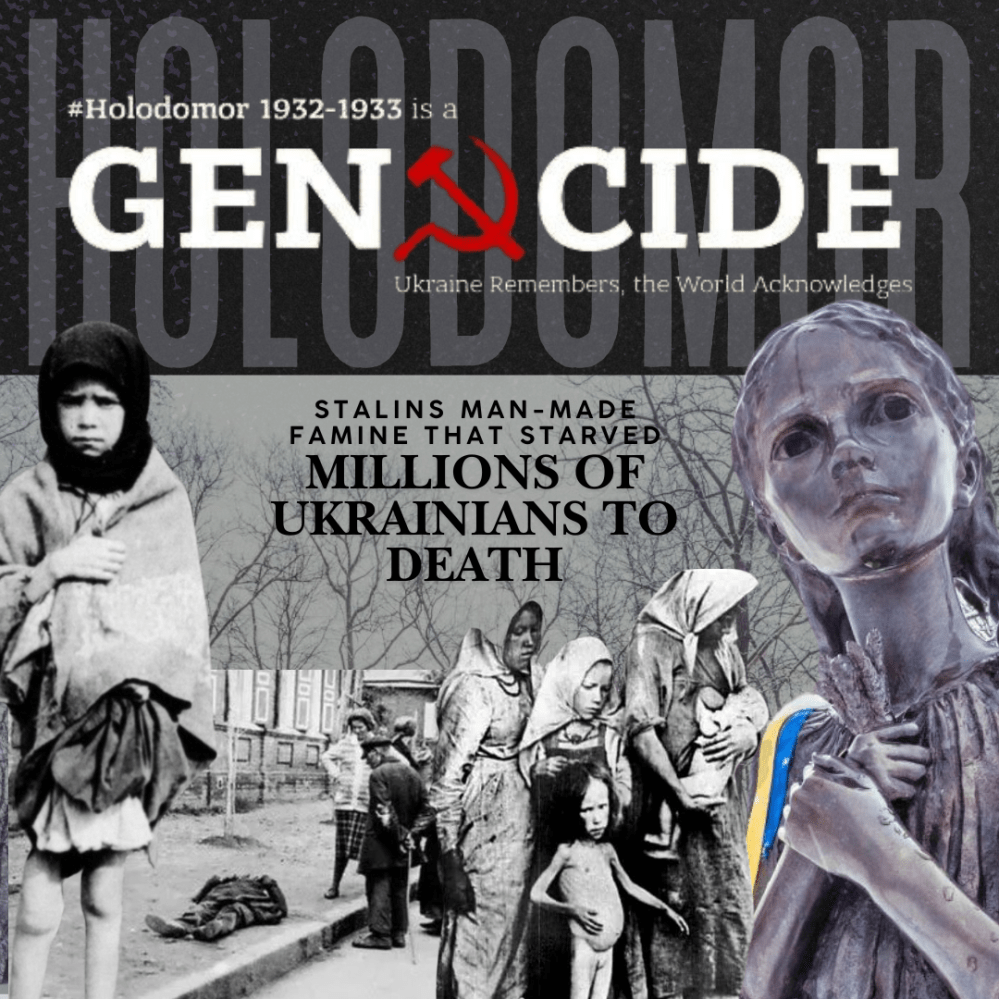
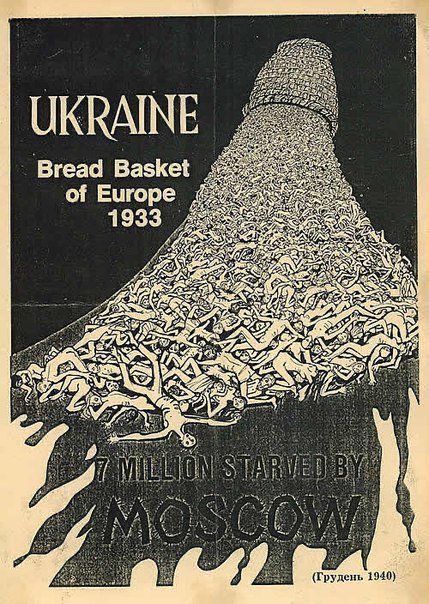
Imagine the land known as the “Breadbasket of Europe,” a place so fertile it could feed millions. Now picture it deliberately starved into submission, its people dying by the thousands each day. The scariest part about this, is that for millions this was not imaginary, this was reality and stands as one of the darkest chapters of our history.
This was the Holodomor, Stalin’s genocide against Ukrainians, a tragedy so immense that it’s hard to comprehend. And yet, decades later, much of the world still doesn’t know about it—or worse, denies it ever happened.
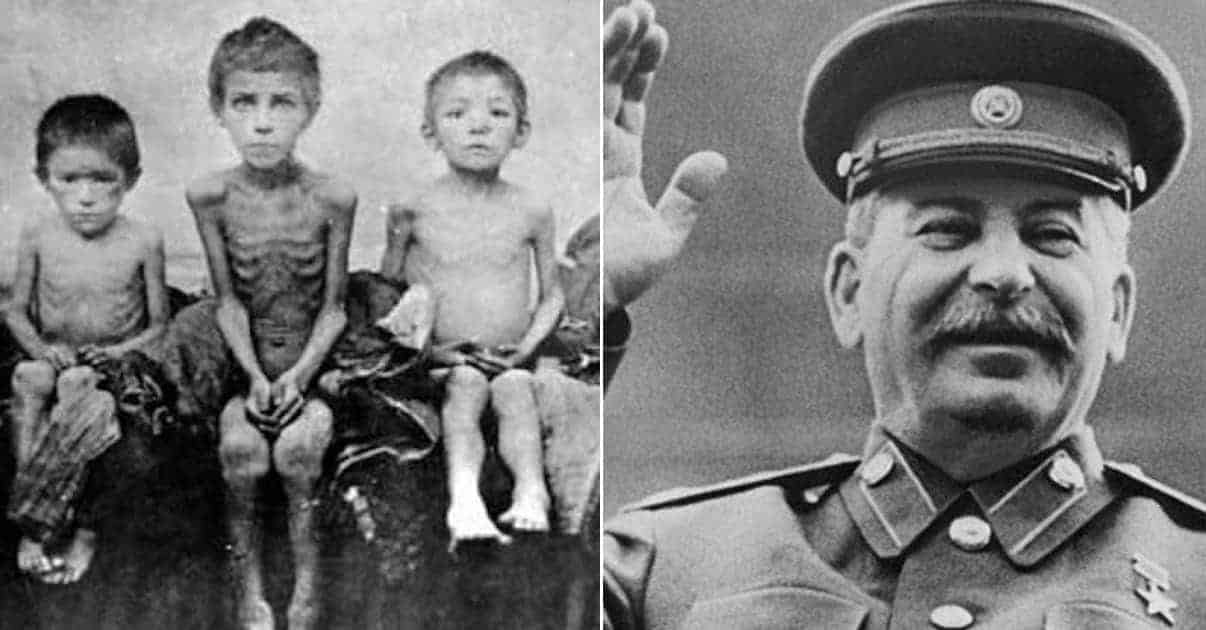
Quick Facts About the Holodomor
Denial: The USSR denied the famine, blamed natural causes, and exported enough grain during this time to feed the entire population of Ukraine.
Timeframe: 1932–1933
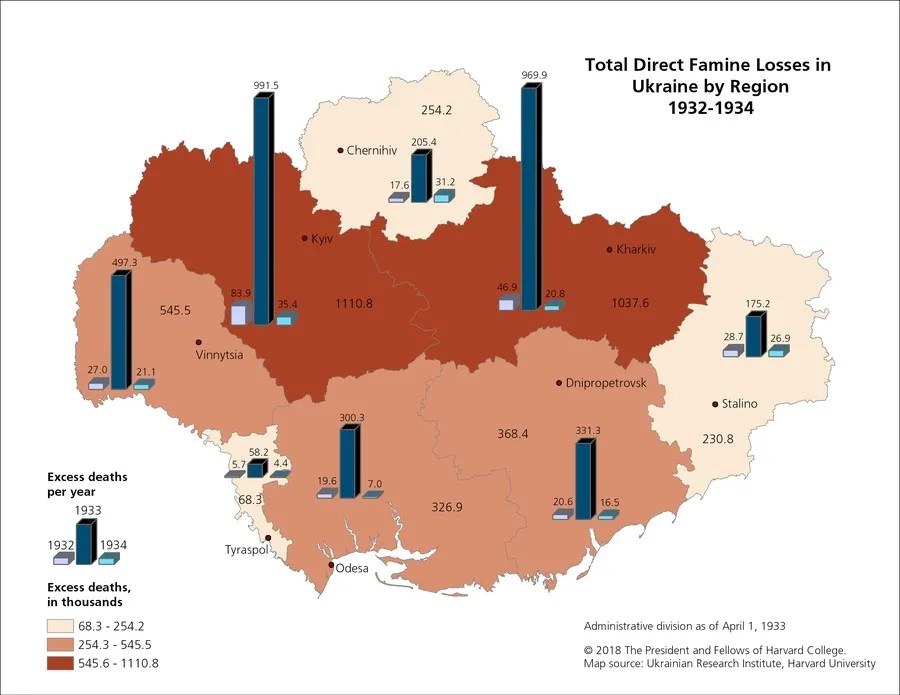
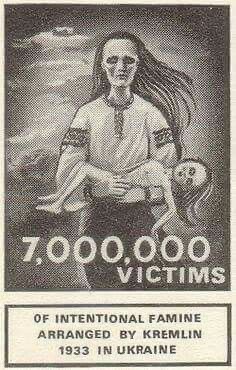
Estimated Death Toll: Over 7 million (some estimates reach 10 million).
Daily Death Rate: At its peak, 28,000 people were dying each day in June 1933.
Cause: Stalin’s forced collectivization, confiscation of food, and brutal repression.
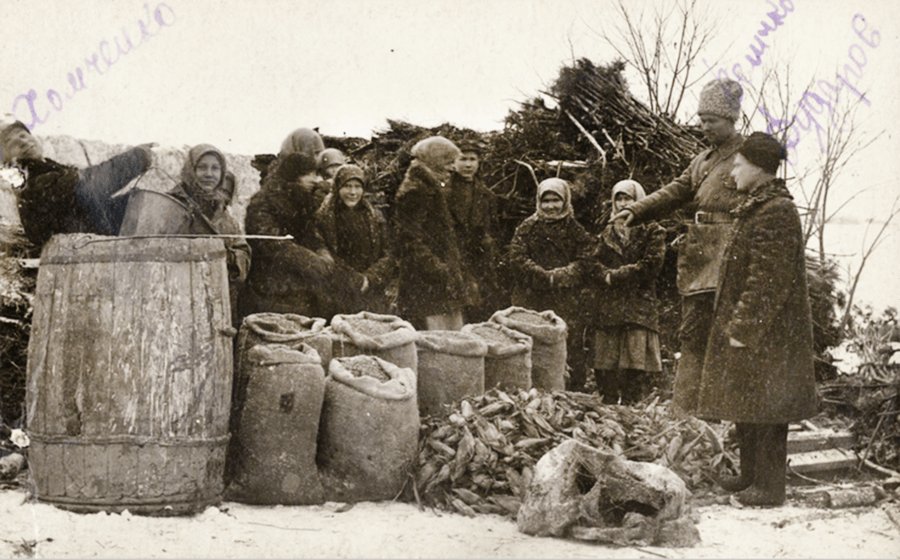
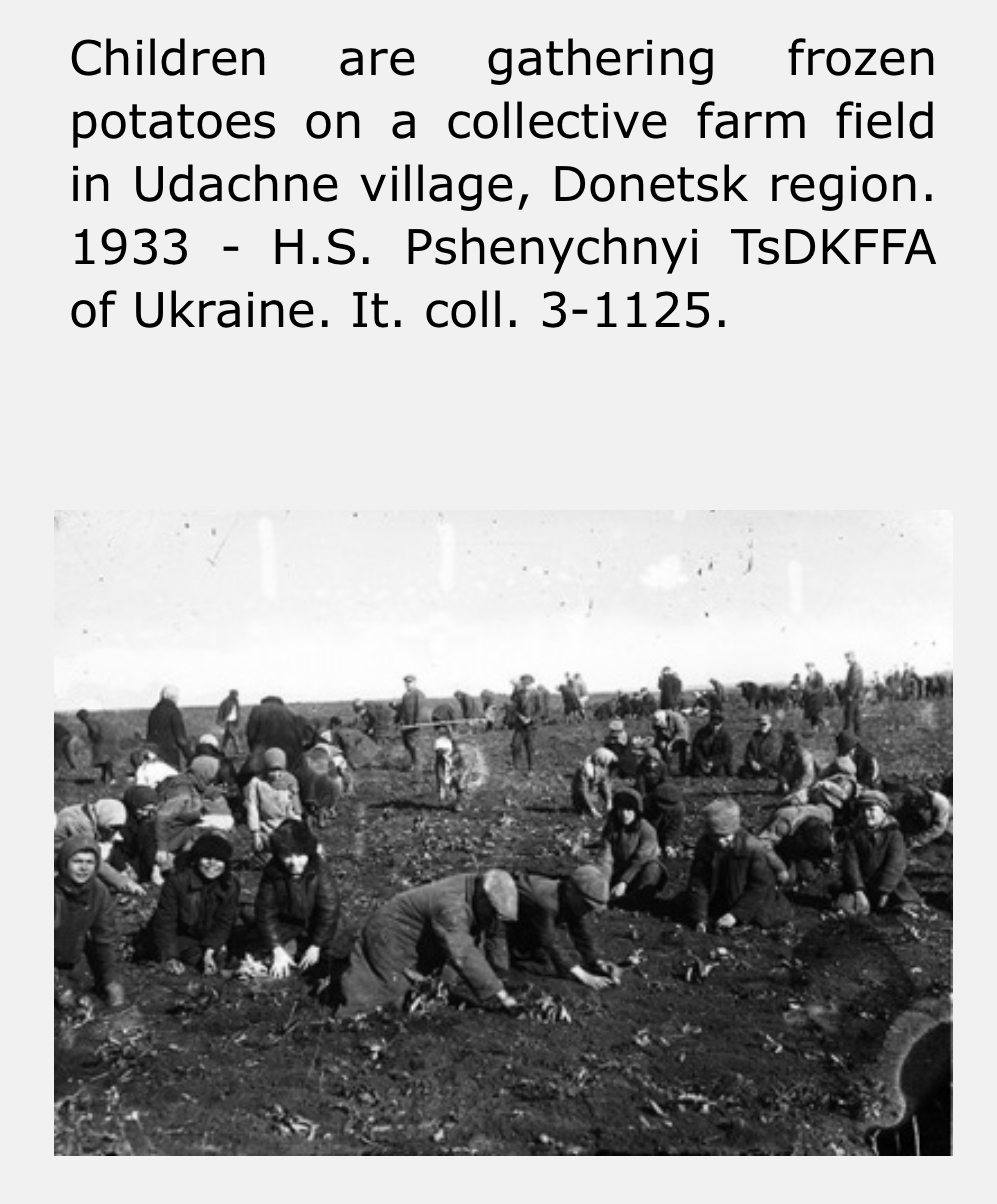
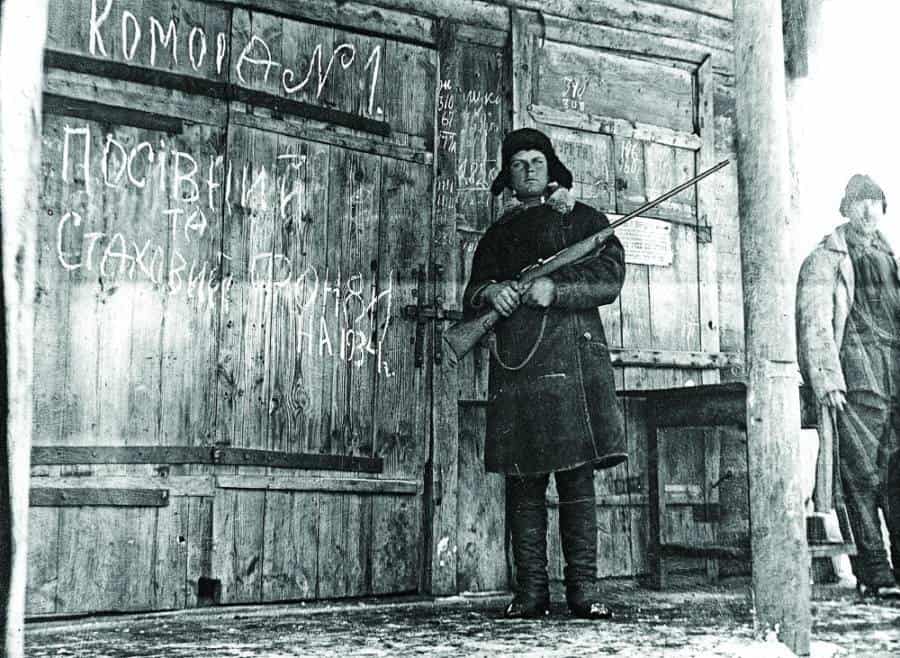
What Was Confiscated? Grain, livestock, and even seeds. Soviet brigades raided homes to remove anything edible.
What Was the Holodomor?
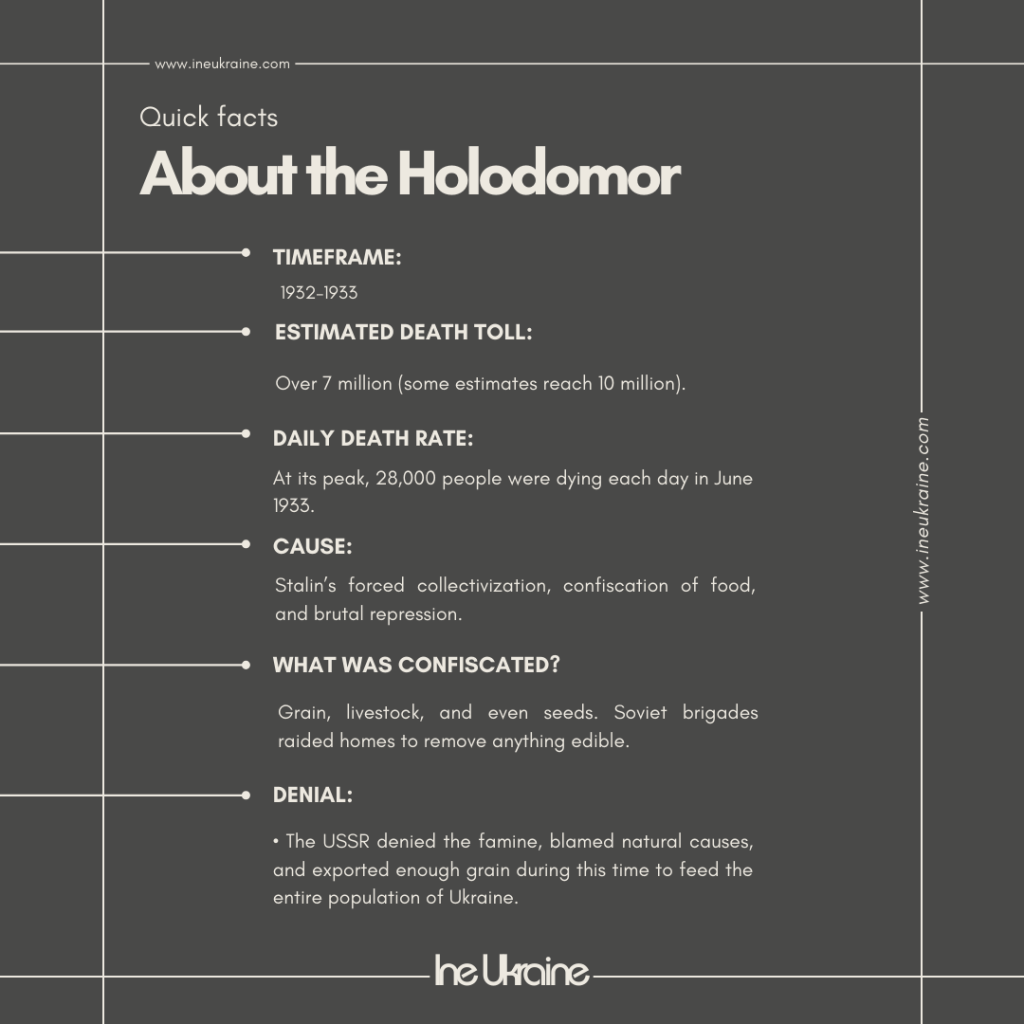
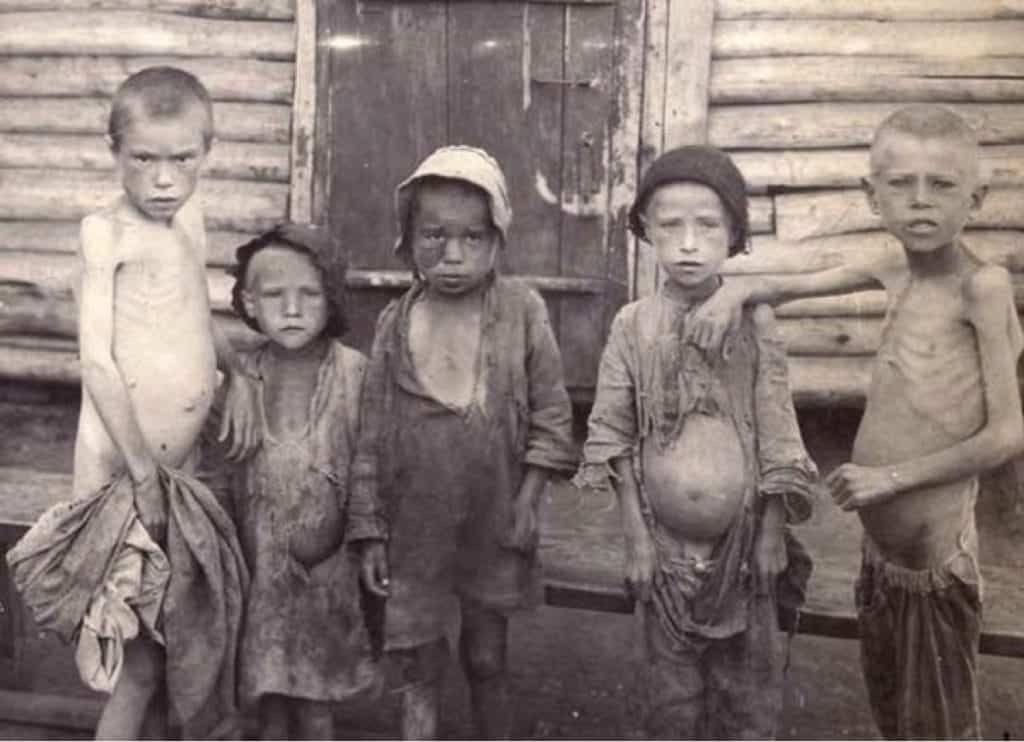
The Holodomor, meaning “death by hunger” in Ukrainian, was a man-made famine that took place between 1932 and 1933. It was not the result of drought or poor harvests. It was a calculated act of genocide by Joseph Stalin’s Soviet regime, aimed at crushing Ukraine’s independence and resistance.
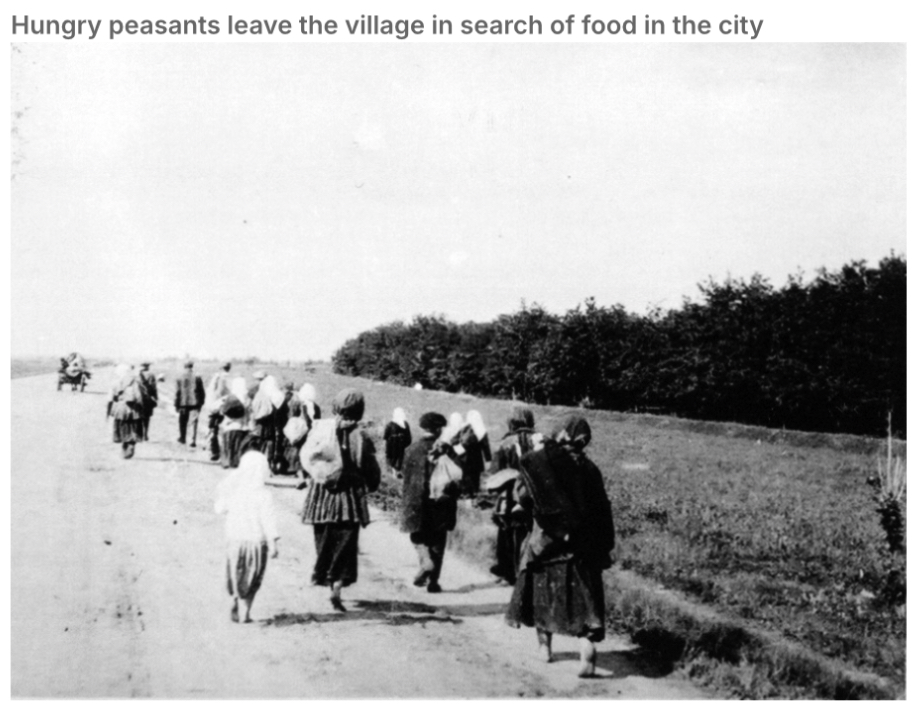
Millions of Ukrainians starved to death as Soviet policies confiscated food, sealed borders, and exported grain to hide the famine. Entire villages became concentration camps, where the only sentence was death by starvation.

How Did This Happen?
It all began with Stalin’s collectivization policy in the early 1930s. Farmers were forced to give up their land and join collective farms controlled by the state. Ukrainian farmers—known for their independence—resisted. In response, Stalin labeled them “enemies of the state” and unleashed a campaign of terror.
The Peak of Horror
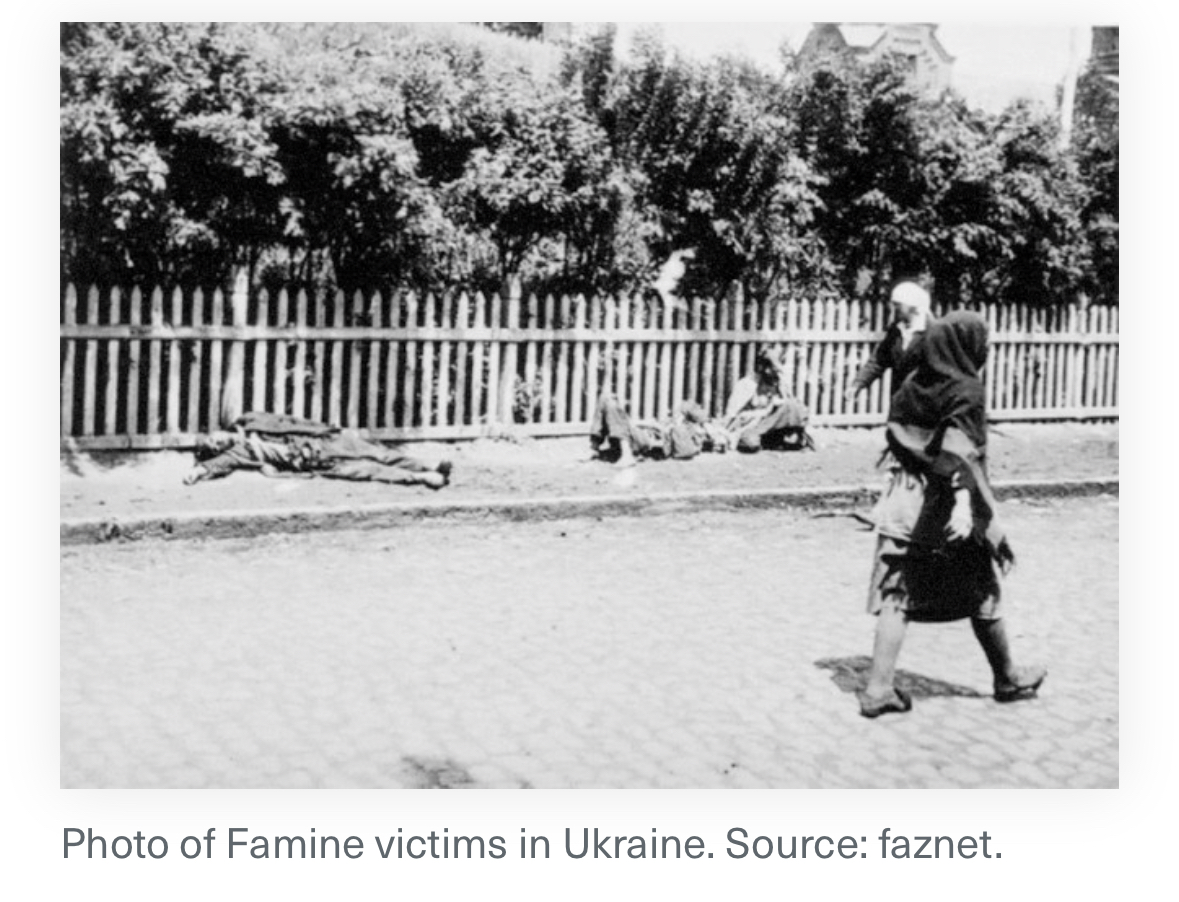
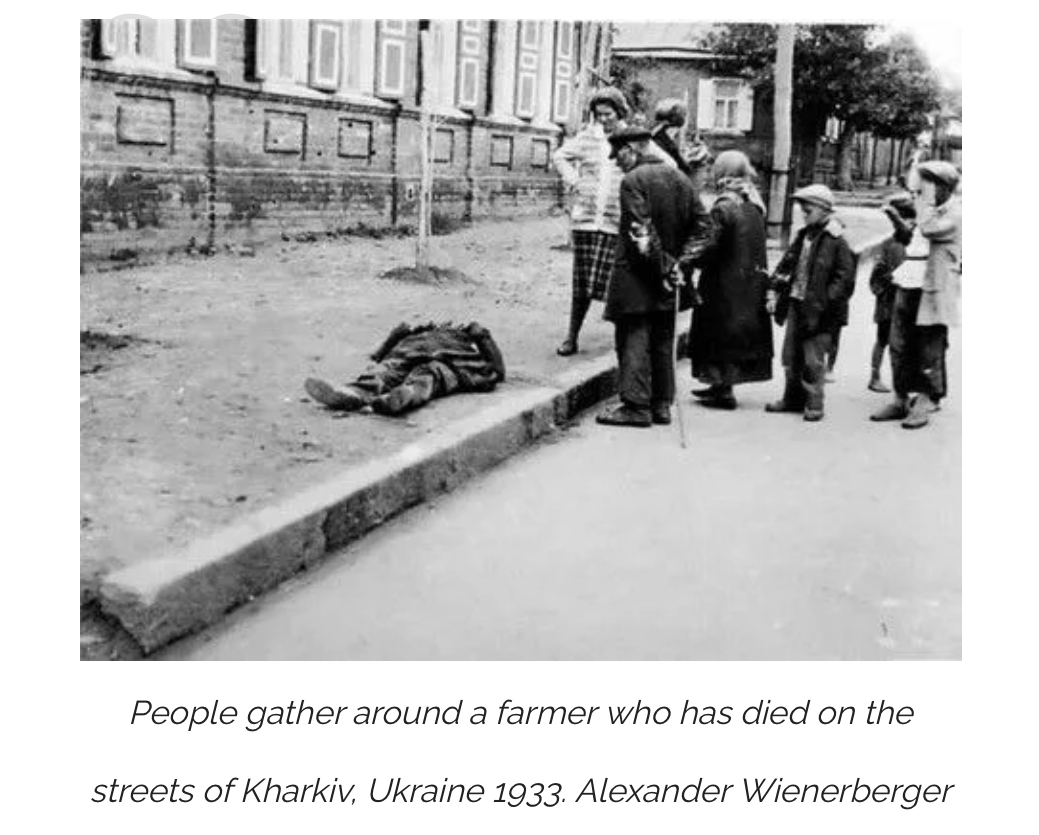
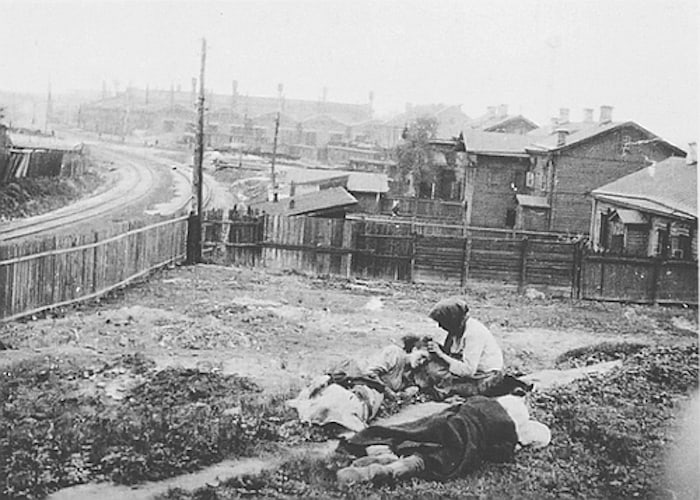
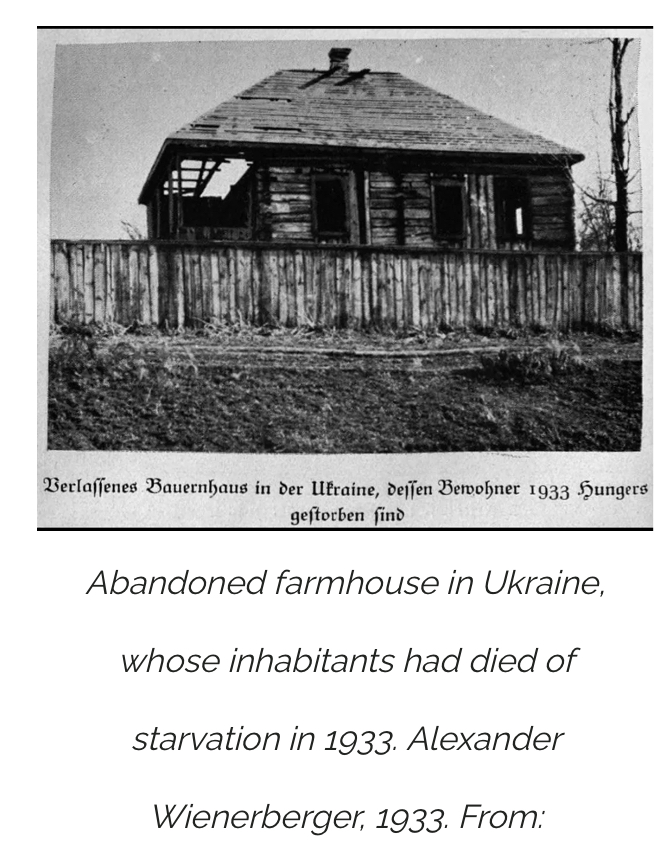
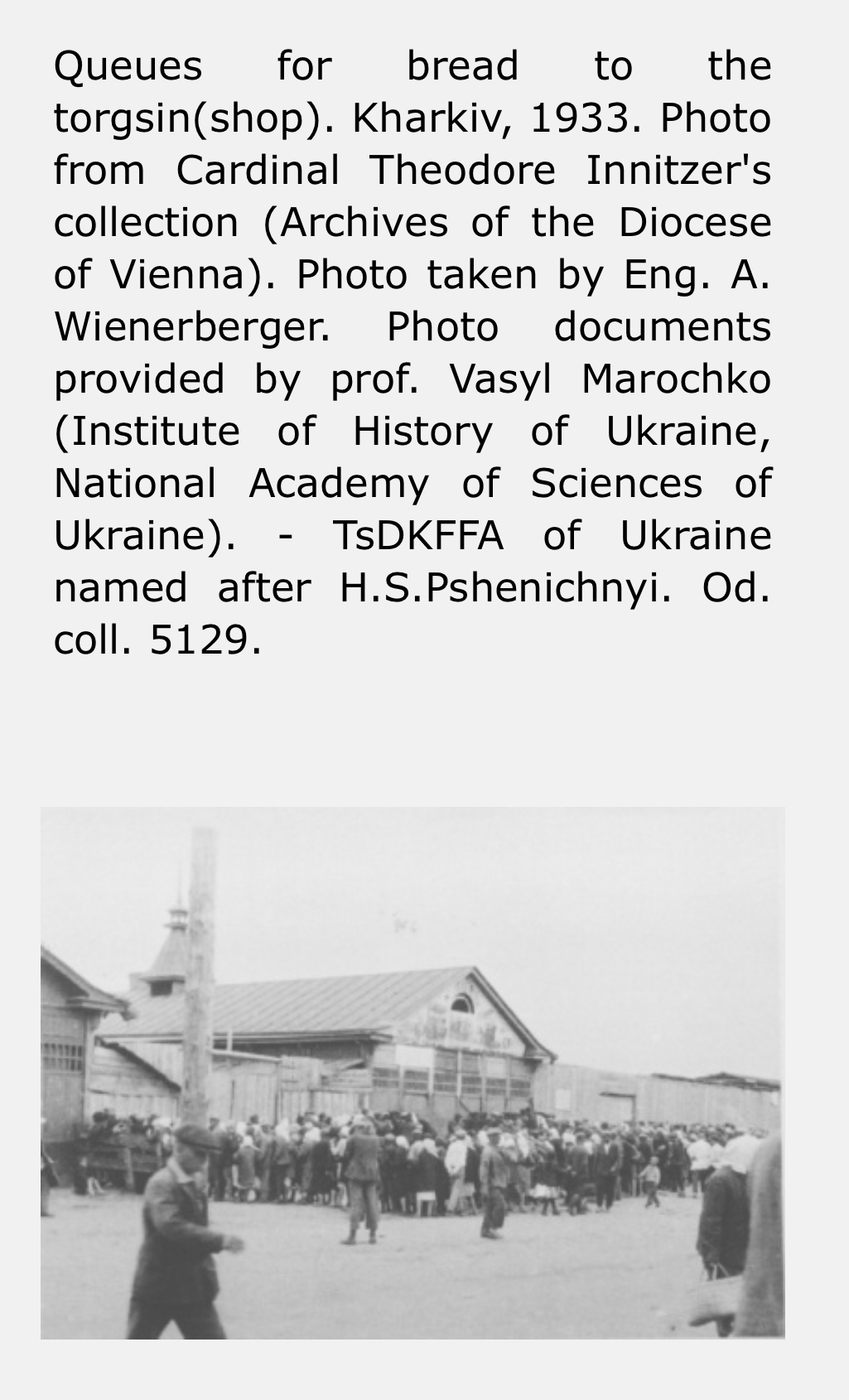
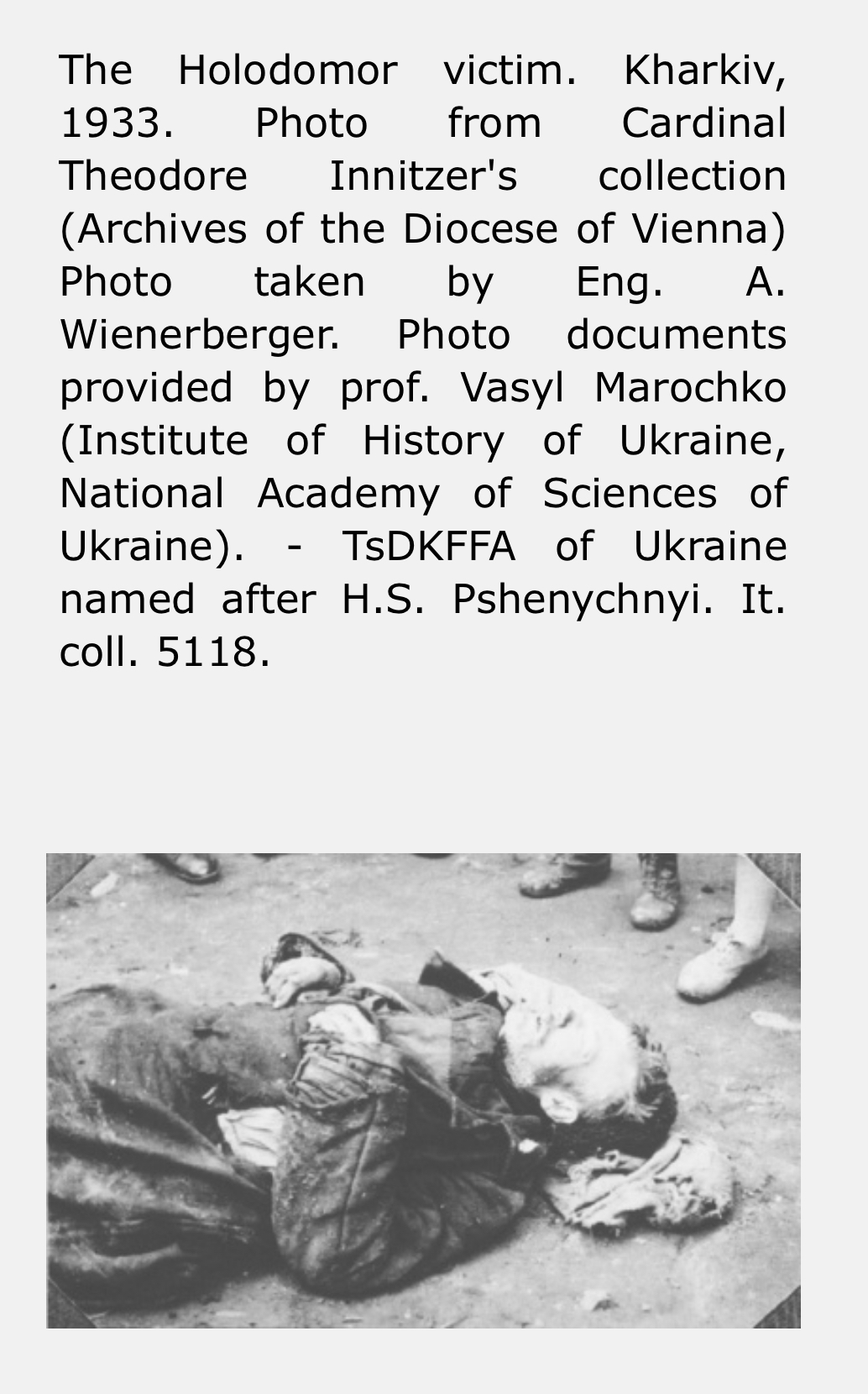
By mid-1933, the effects of Stalin’s policies were catastrophic. Entire villages were dying. People were eating grass, bark, and anything they could find. Stories even emerged of cannibalism—a haunting reality of extreme desperation.
Despite the mass starvation, the Soviet Union reported record harvests from Ukraine and continued exporting millions of tons of grain to other countries.
The Silent Years
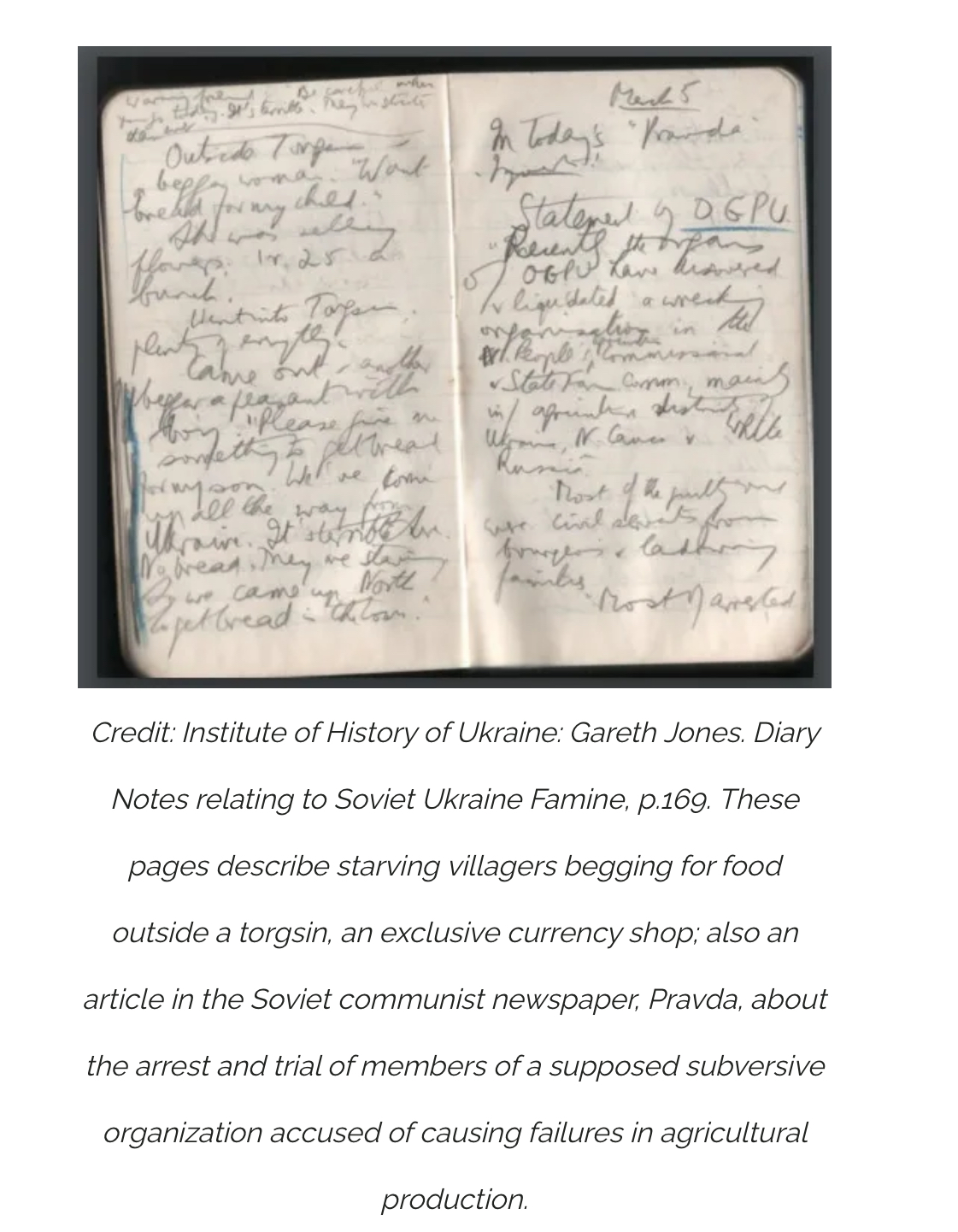
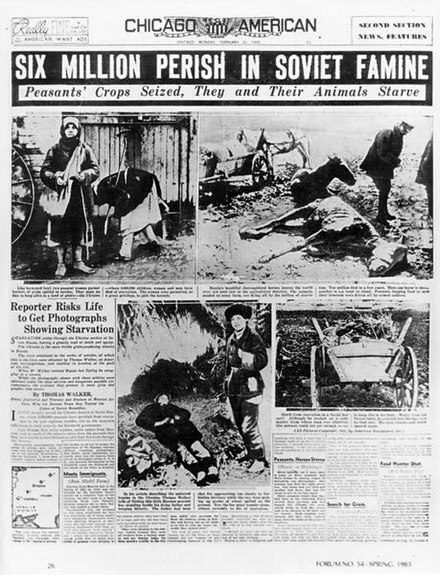
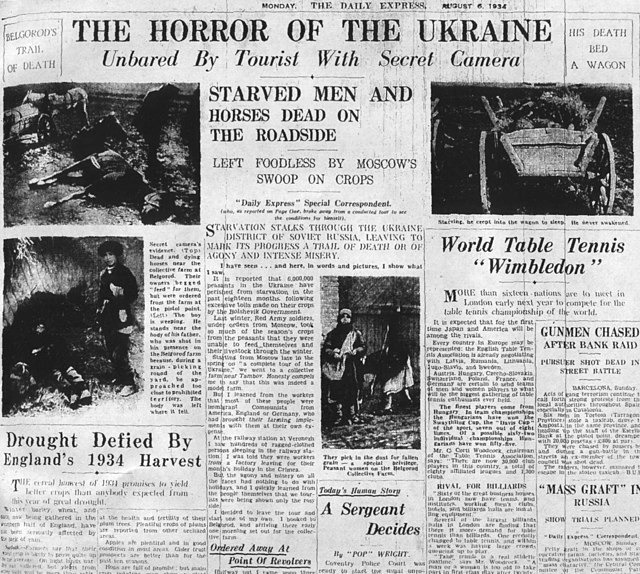
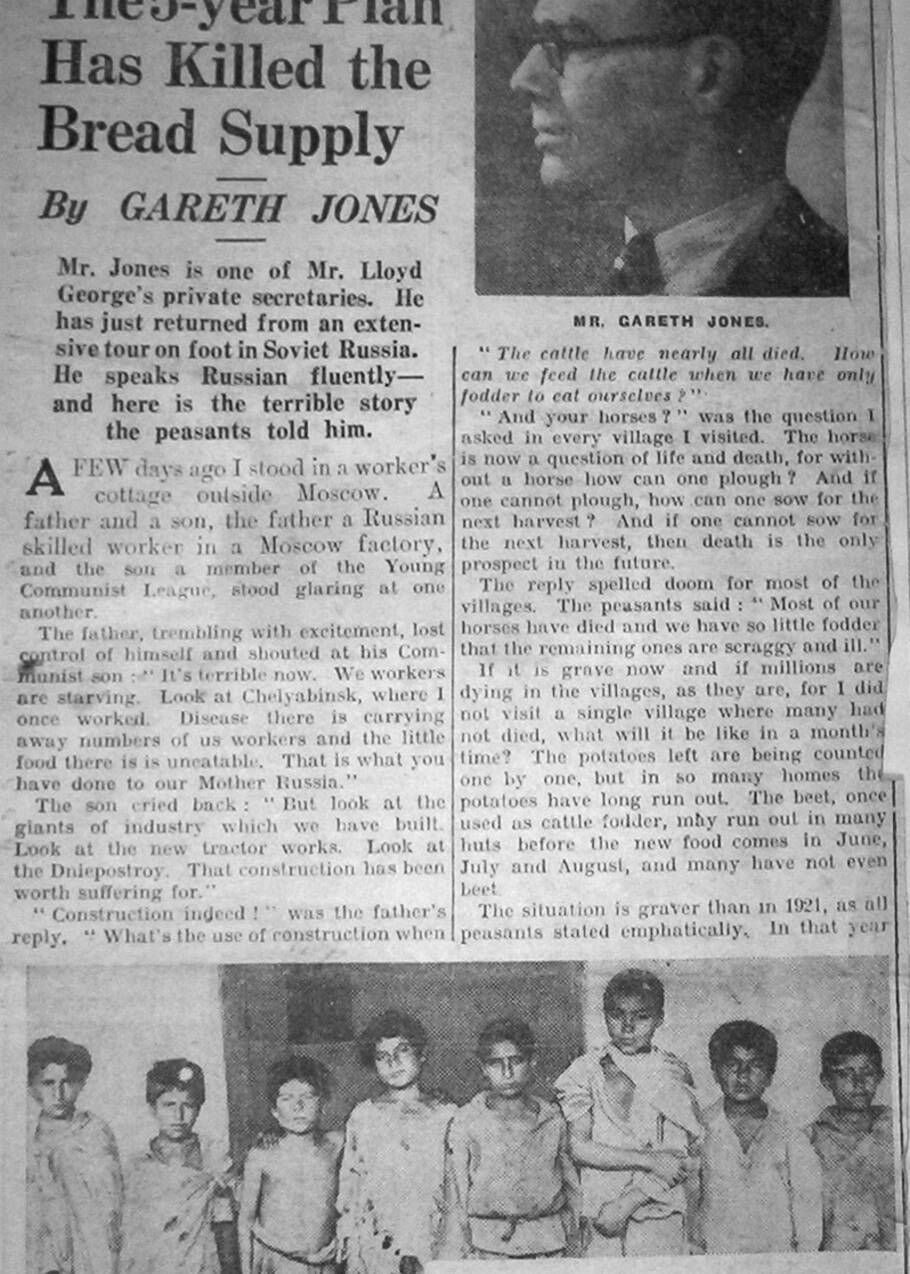
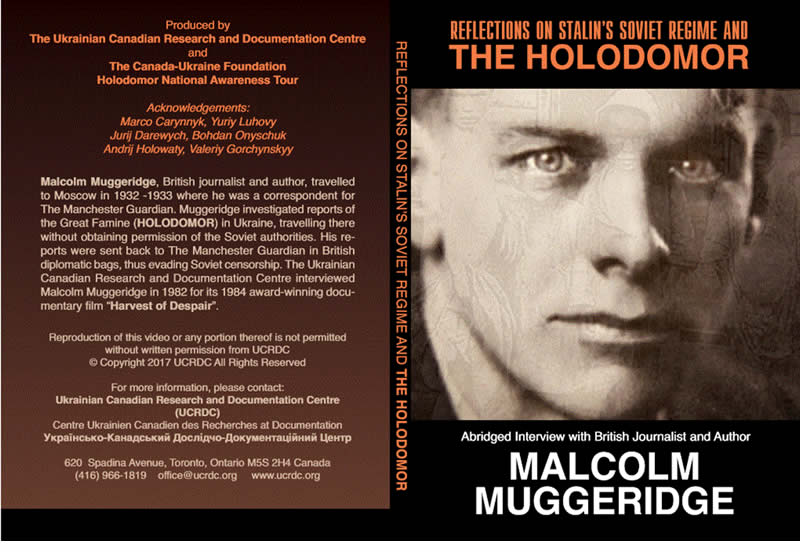
After the famine, survivors were forbidden from speaking about it. The Soviet Union maintained strict censorship, destroyed evidence, and manipulated international narratives. Foreign journalists like Malcolm Muggeridge and Gareth Jones who reported on the famine were ignored, while others, like New York Times reporter Walter Duranty, denied it entirely and helped spread Soviet propaganda.
It wasn’t until the collapse of the Soviet Union in 1991 that classified archives were opened, revealing the full scale of the genocide.
Why It Matters Today
Russia’s denial of the Holodomor continues to this day. Many countries still haven’t recognized it as genocide, and this denial fuels the same patterns of violence we see now in Russia’s war against Ukraine. Understanding the Holodomor is critical—not just for Ukraine but for the world.
Here’s a brief overview of key events leading up to and during the Holodomor:
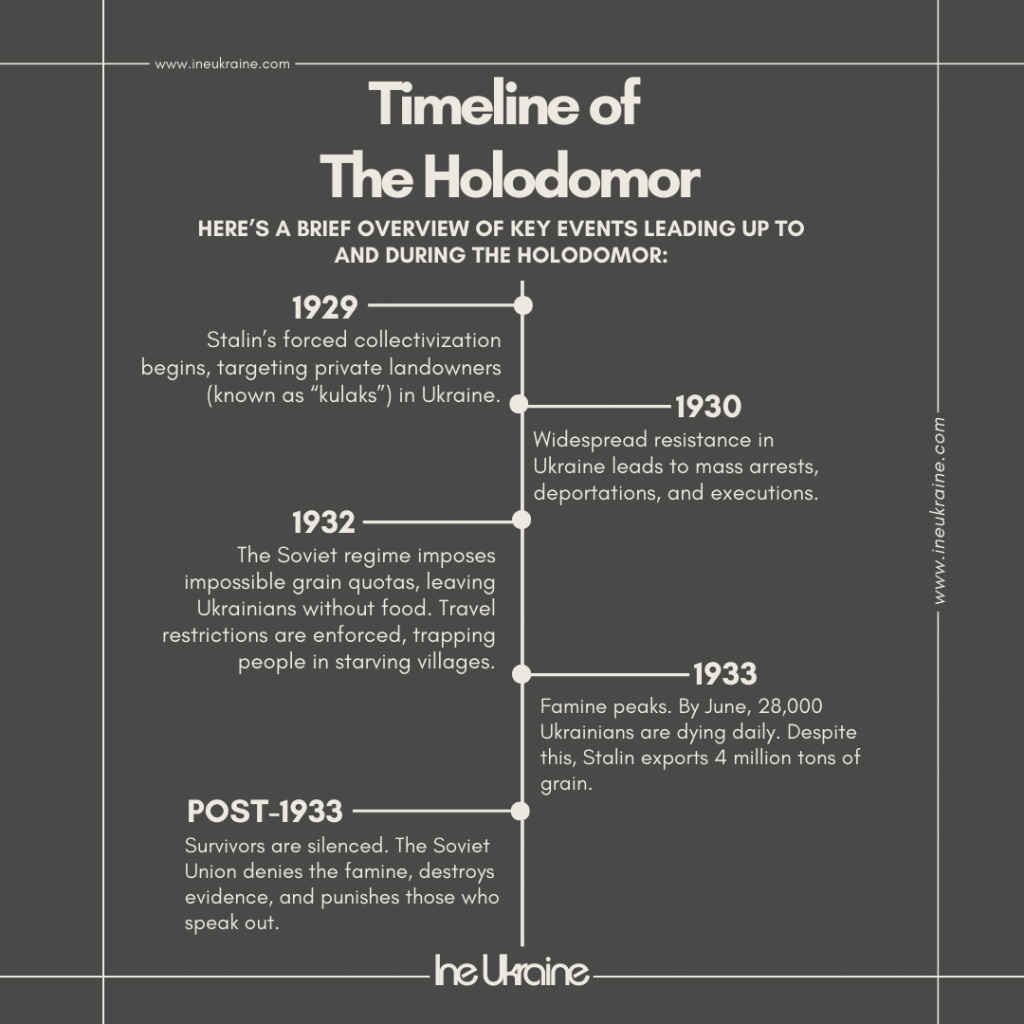
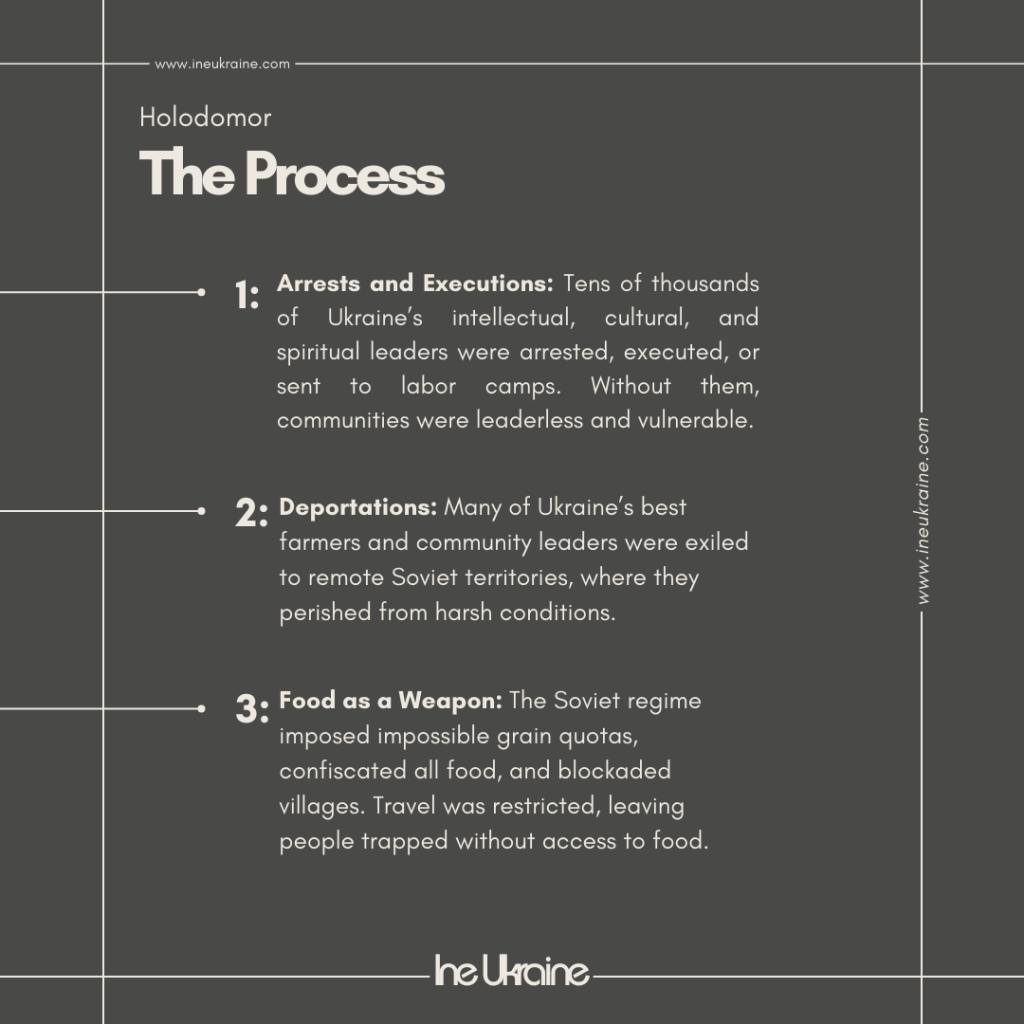
• 1929: Stalin’s forced collectivization begins, targeting private landowners (known as “kulaks”) in Ukraine.
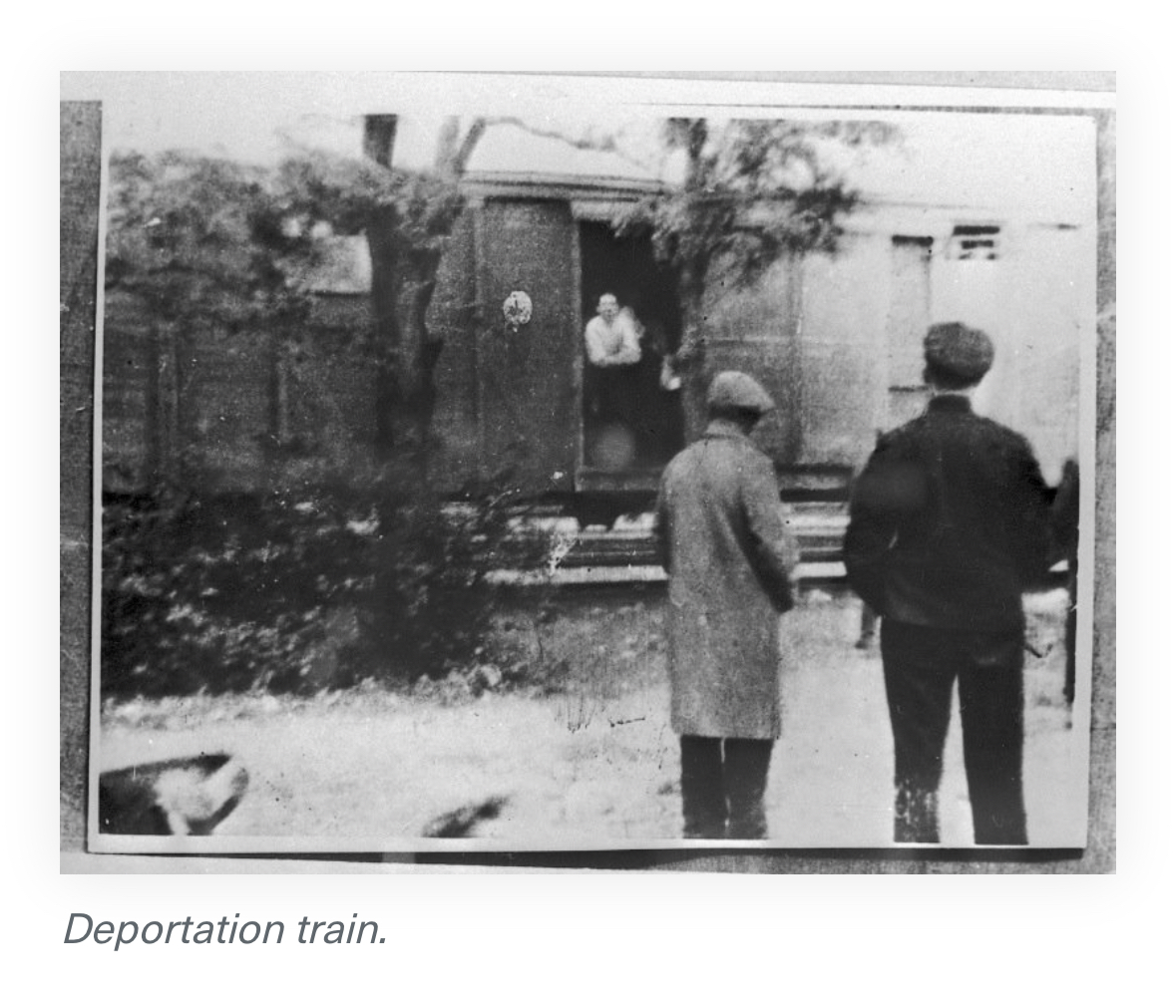
• 1930: Widespread resistance in Ukraine leads to mass arrests, deportations, and executions.
• 1932: The Soviet regime imposes impossible grain quotas, leaving Ukrainians without food. Travel restrictions are enforced, trapping people in starving villages.
• 1933: Famine peaks. By June, 28,000 Ukrainians are dying daily. Despite this, Stalin exports 4 million tons of grain.
• Post-1933: Survivors are silenced. The Soviet Union denies the famine, destroys evidence, and punishes those who speak out.
What Can You Do?
Educating yourself and others about the Holodomor is the first step in honoring its victims and preventing future genocides.
1. Learn and Share: Spread awareness about the Holodomor by talking to your friends, family, and community.
2. Advocate for Recognition: Call on your country to recognize the Holodomor as genocide.
3. Support Ukraine Today: Russia’s actions in Ukraine now echo its past crimes. Speak out, donate, and stand with Ukraine.
The Holodomor is a reminder that silence allows atrocities to happen. By keeping the memory of its victims alive, we ensure that history will not repeat itself.
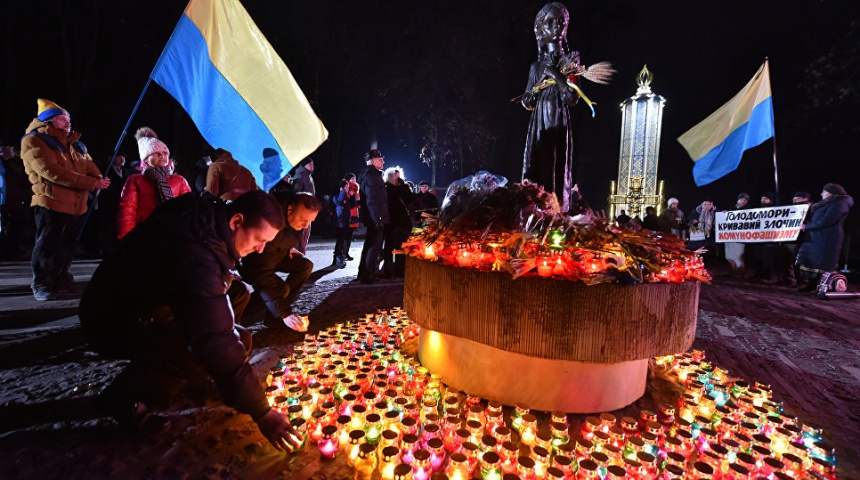
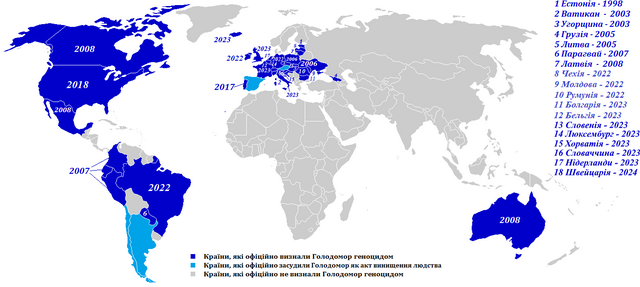

We Remember. We Will Not Forget.
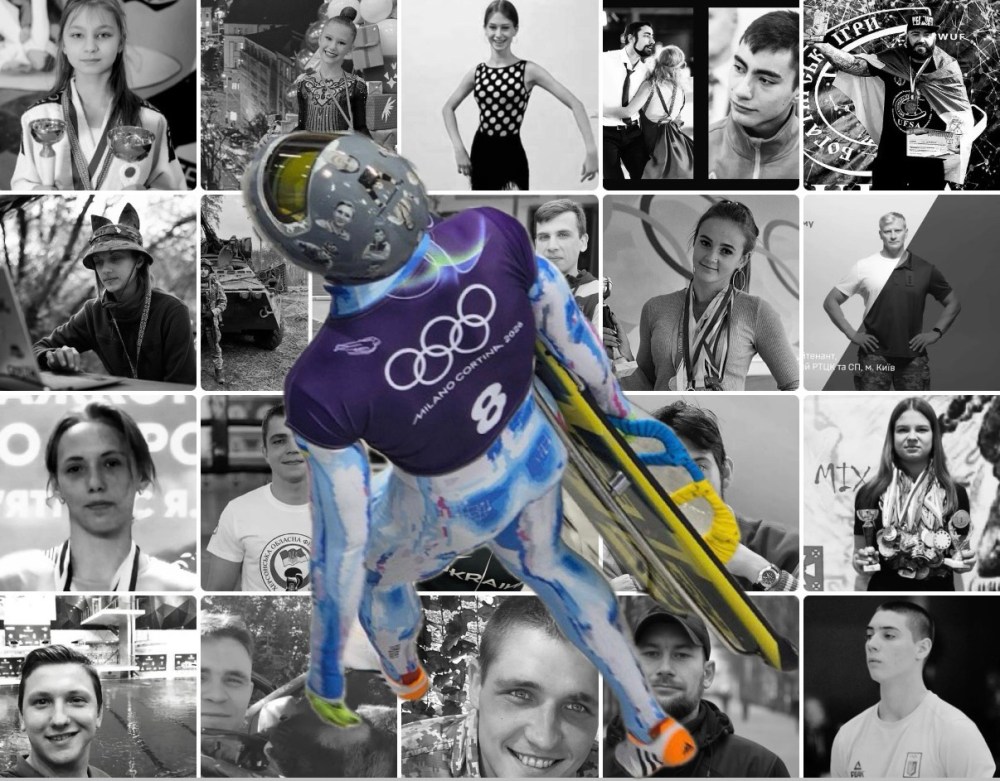
- The IOC Want To Silence Their Memory, So We Will Say Their Names Even Louder
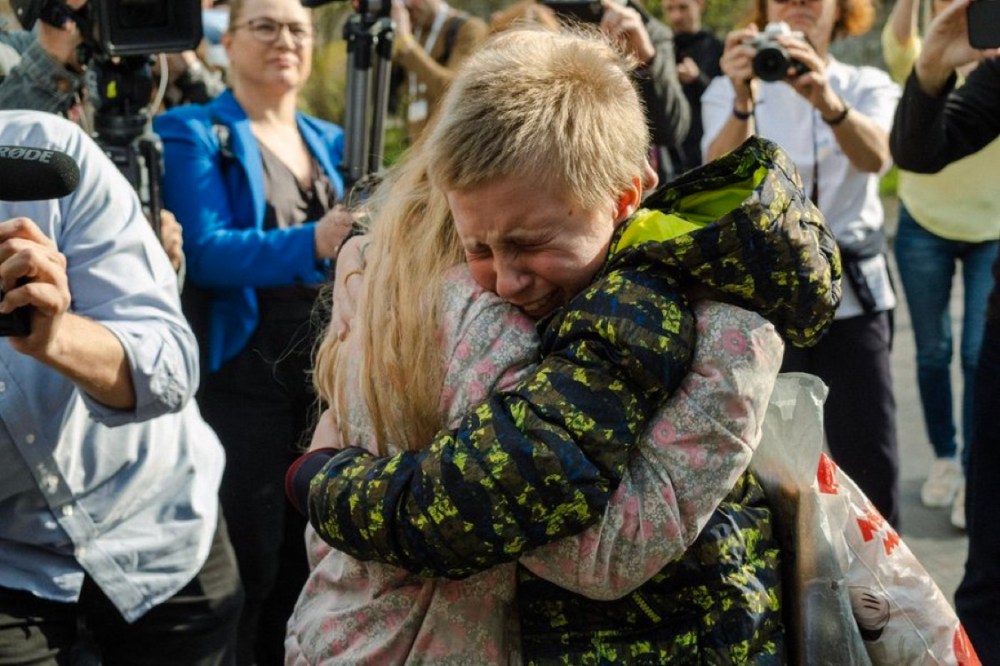
- The Stolen Ukrainian Children: The russian War Crime Of Erasing Generations
- The Witkoff File: Three Decades of russian Cash, One Kremlin “Peace Plan.”
- Strength Under Fire: Ukrainians Fight So the Future Isn’t Ruled by Tyrants
- 165 Days of Heroism: The Story of Two Ukrainian Soldiers Who Defied the Odds

 Ine in Ukraine
Leave a comment