Frontline Dispatch: The Humanitarian Catastrophe in Ukraine

As a journalist and correspondent covering the war in Ukraine since the beginning of the full scale invasion in February 2022, I have witnessed firsthand the unimaginable horrors inflicted upon civilians by russia’s unprovoked aggression against Ukraine. The humanitarian crisis is staggering in scale, with over 14.6 million people, nearly 40% of the population, in dire need of assistance.
The most harrowing aspect of this conflict is the ongoing lack of humanitarian access to approximately 1.5 million civilians in the occupied territories of Donetsk, Luhansk, Kherson, and Zaporizhzhia. The blockade not only hinders aid delivery but also obscures the true extent of Russian war crimes and their devastating consequences. International humanitarian law mandates swift and unhindered access to all those in need, yet this is continually obstructed.
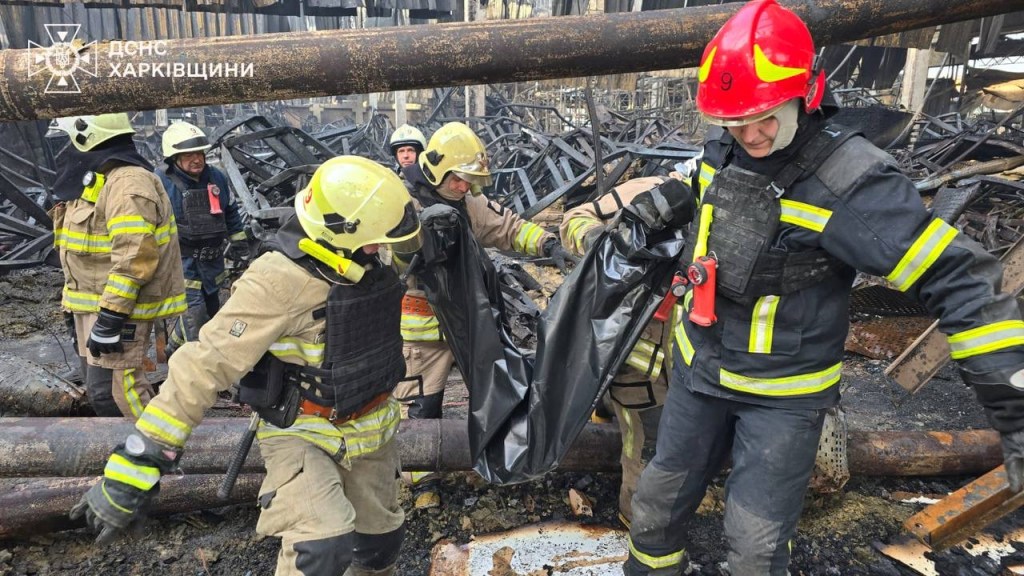
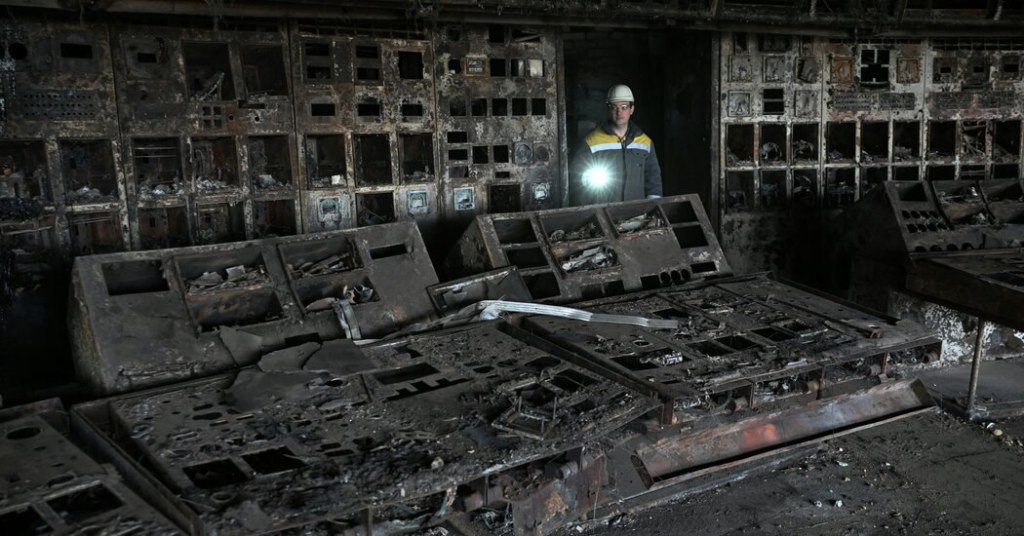
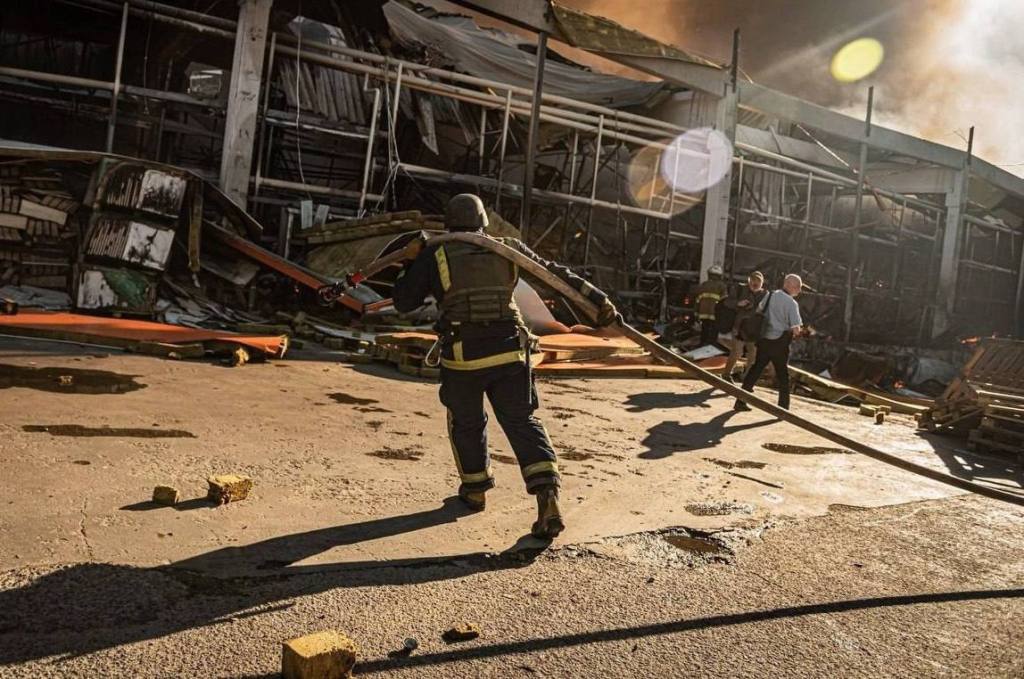
Adding to the misery, systematic assaults on Ukraine’s energy infrastructure have been relentless since February 2022. At least six major attacks have ravaged 15 regions since March 2024, crippling essential services such as healthcare, transportation, and utilities. The energy grid now operates at a mere 40% of its pre-war capacity, leaving millions without power, heat, or water.
Children, in particular, are enduring severe physical, psychological, and emotional trauma. Over 600 Ukrainian children have been killed, and 1,425 injured since Russia launched its full-scale invasion. Their lives are marred by constant fear and disruption; many have spent between 3,000 and 5,000 hours in bomb shelters, missing out on education and experiencing profound stress.
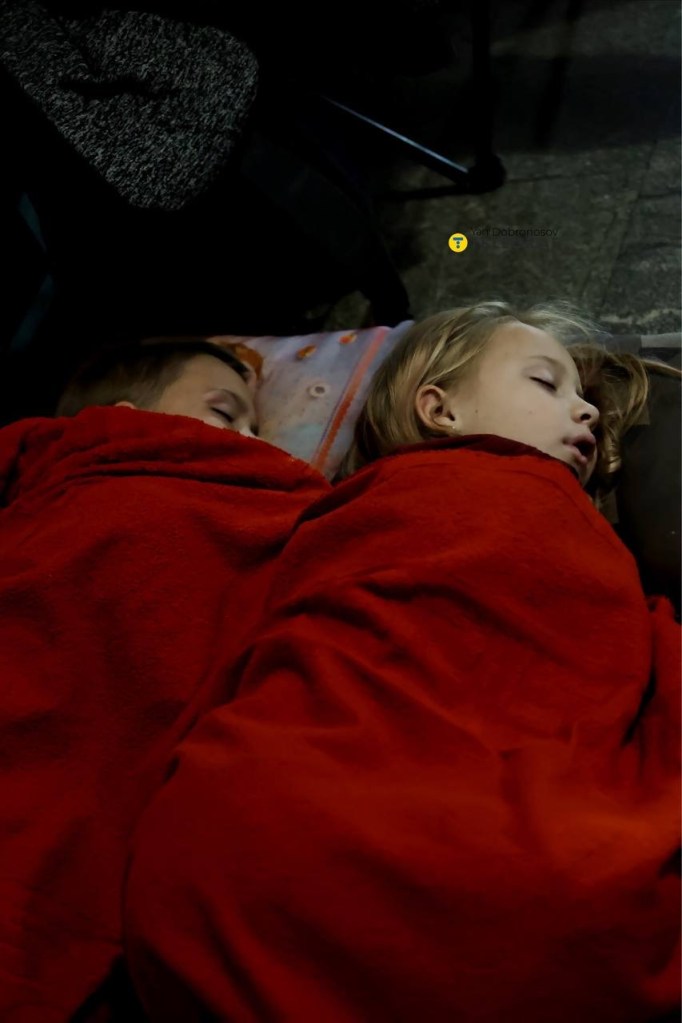

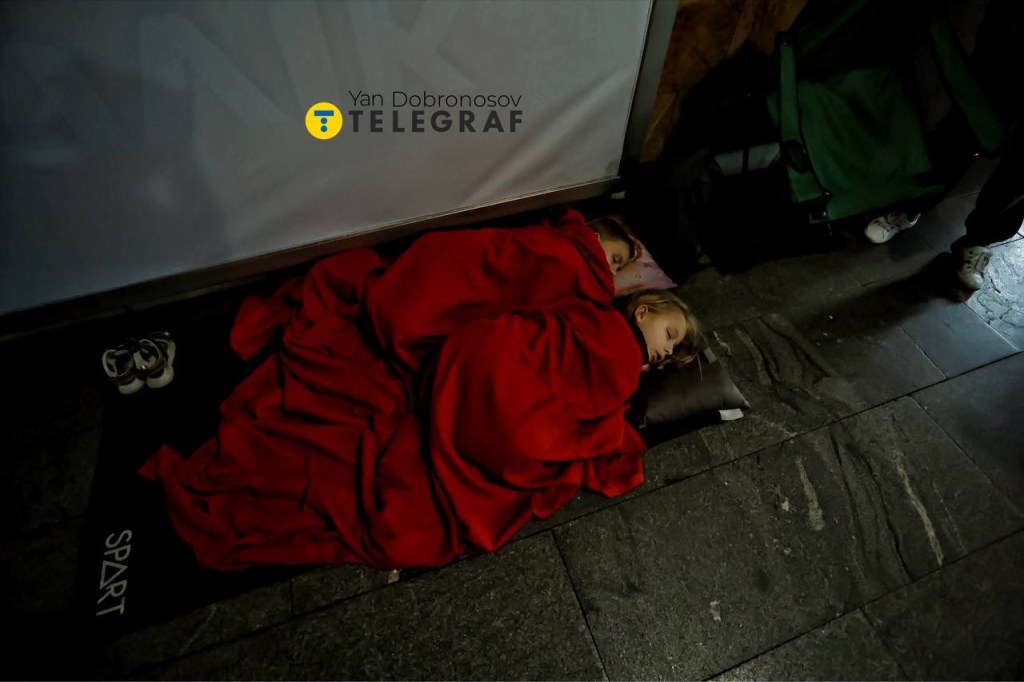
The Office of the High Commissioner for Human Rights (OHCHR) has confirmed the deaths of at least 11,000 civilians and injuries to over 21,000 others. These figures are likely conservative estimates, with the real toll undoubtedly higher. In the border and frontline areas of Kharkiv, civilians face extreme hardship, often isolated from food, medical care, and basic utilities.
The prolonged violence exacerbates the humanitarian toll and complicates future recovery efforts. The war’s impact will resonate for generations, as evidenced by the displacement of at least 18,100 people in the Kharkiv region alone. Humanitarian organizations, rallying to support the displaced, provide critical aid to over 12,000 people at a transit center in Kharkiv City.
One year has passed since Russia’s destruction of the Kakhovka Dam in Kherson, one of the most egregious attacks on civilian infrastructure. The resultant flooding devastated homes, displaced families, and disrupted water supplies for millions. The elderly, often unable or unwilling to flee, suffer disproportionately; in northern Kharkiv, more than half of the casualties are over 60.
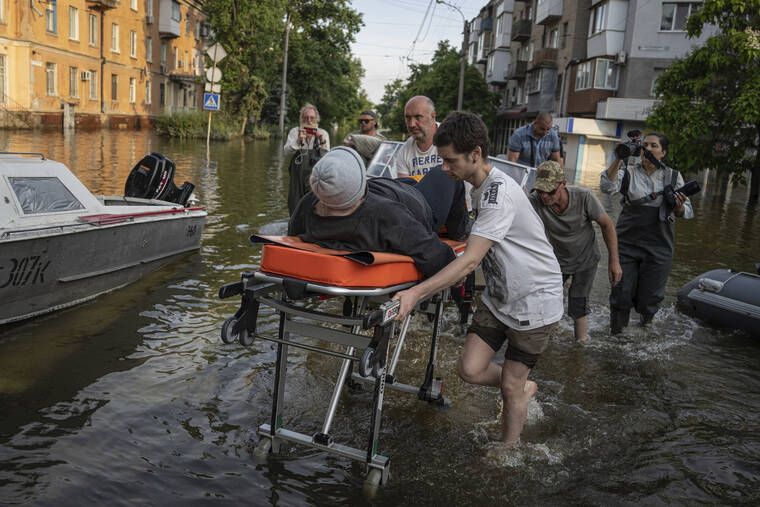
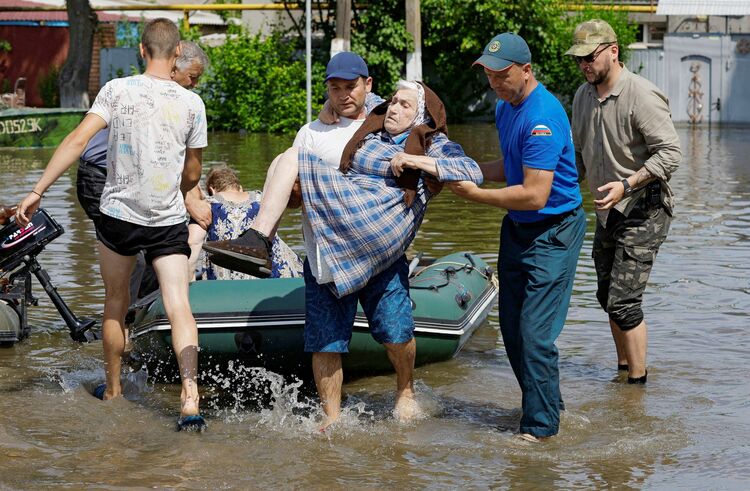
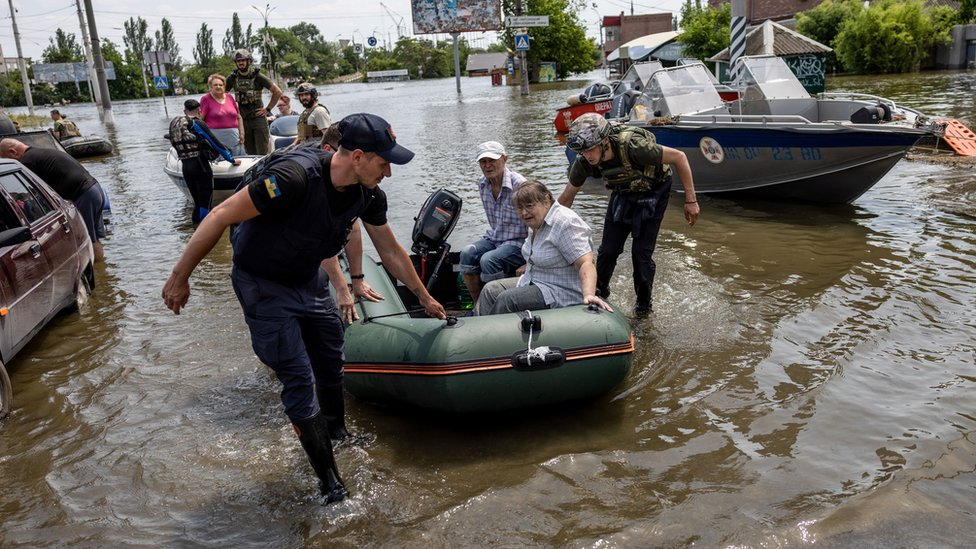
As the conflict rages on, the civilian suffering deepens, and the Herculean task of rebuilding looms ever larger. The war’s legacy will be a scar on Ukraine for generations, a testament to the immense human cost of Russia’s unprovoked aggression.
- The IOC Want To Silence Their Memory, So We Will Say Their Names Even Louder
- The Stolen Ukrainian Children: The russian War Crime Of Erasing Generations
- The Witkoff File: Three Decades of russian Cash, One Kremlin “Peace Plan.”
- Strength Under Fire: Ukrainians Fight So the Future Isn’t Ruled by Tyrants
- 165 Days of Heroism: The Story of Two Ukrainian Soldiers Who Defied the Odds

 Ine in Ukraine